
Reviewed · ATHENS MYTHOLOGY TOURS
Athens: The History of Greek Mythology Private Tour
Athens makes more sense when its streets are linked to the gods, heroes, and old city life that shaped them. This private three-hour mythology walk moves beyond the Acropolis alone, connecting the Academy and University, the Ancient and Roman Agoras, Varvakios Market, Monastiraki, and older corners near the Acropolis.
I like the personal format, since you can stop to ask questions rather than wait for a large group. I also like the mix of mythology, history, and everyday Athens, from grand neoclassical buildings to market streets and favorite coffee or lunch stops suggested by guides such as Irini. The main drawback is the walking: the route covers a lot of ground, and it is not suitable for wheelchair users, people with mobility impairments, or pregnant women.
Key points to know before you book

- Mythology in the streets: Stories connect directly to Athens landmarks instead of being told only in a classroom-style setting.
- More than the Acropolis: The route can include the Ancient Agora, Roman Agora, Academy, University, Monastiraki, and Varvakios Market.
- A truly private walk: You get an English-speaking guide for your own private group, with room for questions and changes in emphasis.
- Useful for a first day: Guides can help you understand the city layout and suggest places to eat, drink coffee, or explore afterward.
- Three hours on foot: Comfortable shoes are essential, and the route involves a moderate amount of walking.
- Good booking flexibility: You can cancel up to 24 hours before the start for a full refund and reserve now while paying later.
Greek gods meet modern central Athens
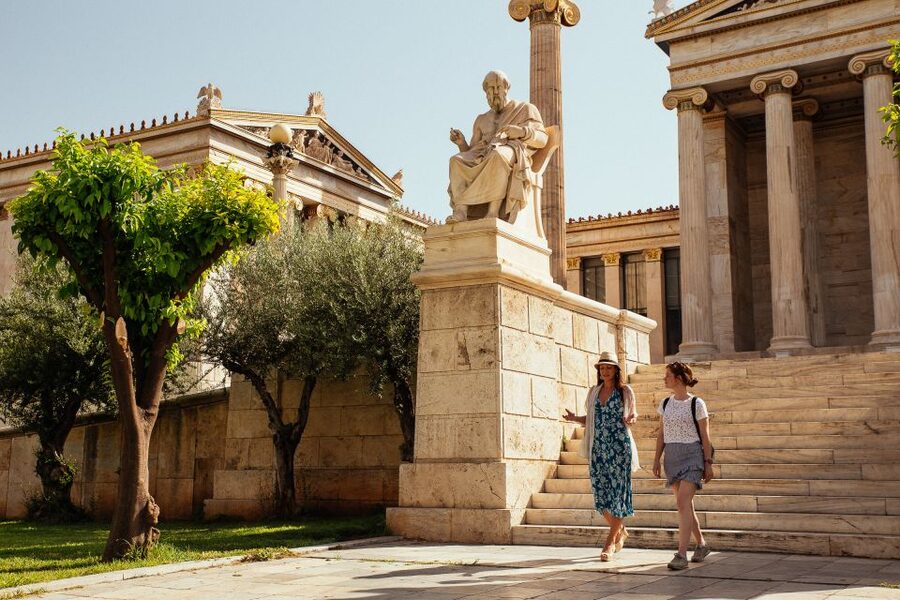
The best part of this experience is the way it treats mythology as part of the city rather than as a list of names to memorize. You are not simply told that Athena, Zeus, or other figures mattered. You see how old stories sit beside universities, markets, paved squares, and busy city streets.
That approach helps if Greek mythology feels like a jumble of difficult names. A local guide can give the stories a place, a setting, and a human angle. You may hear how a building, district, or ancient site relates to the myths, then turn a corner and see modern Athens carrying on around it.
I would book this early in an Athens visit. One guest used the walk as a crash course in Greek mythology and history, then felt better prepared to explore alone. That is a sensible use of the tour. The guide gives you a working map of the city, along with ideas for what to notice when you return without a guide.
The exact balance between mythology and broader history can depend on your guide. Markella was praised for interesting stories and smooth timing, while Costas was noted for making history easy to connect with the area around you. Elisivet was especially good at answering questions and explaining both mythology and Greek history. You can use the private format to tell your guide which subject matters most.
More Greek mythology tours in Athens:
- Athens: Mythology of Delphi, Museum and Arachova Guided Tour
★ 4.6 · 4,008 reviews - Athens & Acropolis Highlights: Greek Mythology Small-Group Tour
★ 5.0 · 2,370 reviews - Athens: Acropolis and Mythology Highlights Small Group Tour
★ 4.8 · 2,275 reviews
Starting near Nakas Book House
The meeting point is outside Nakas Book House. You will need to make your own way there, since hotel pickup and drop-off are not included.
That detail matters in Athens. If you are staying in the central area, allow enough time to reach the bookshop without rushing. If you are coming from farther away, check the route before the day of the tour. The activity begins as a walking experience, not a hotel-based excursion.
Once you meet your guide, expect an English-language tour for your private group. You are not being added to a large crowd, and that changes the feel of the walk. If you want more mythology, ask for it. If you are more interested in buildings, markets, or recent Greek history, say so early.
The guide names associated with this experience include Markella, Marchella, Costas, Elisivet, Myriam, Irini, and Vitturi. Names and assignments can change, so you should not book solely to meet one particular person. Still, the range of praise for different guides suggests that the personal guide is central to the experience.
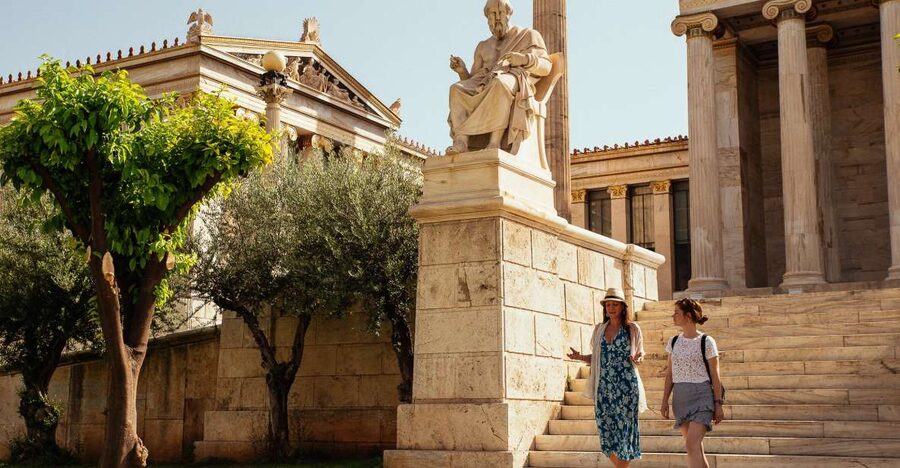
The Academy and University of Athens
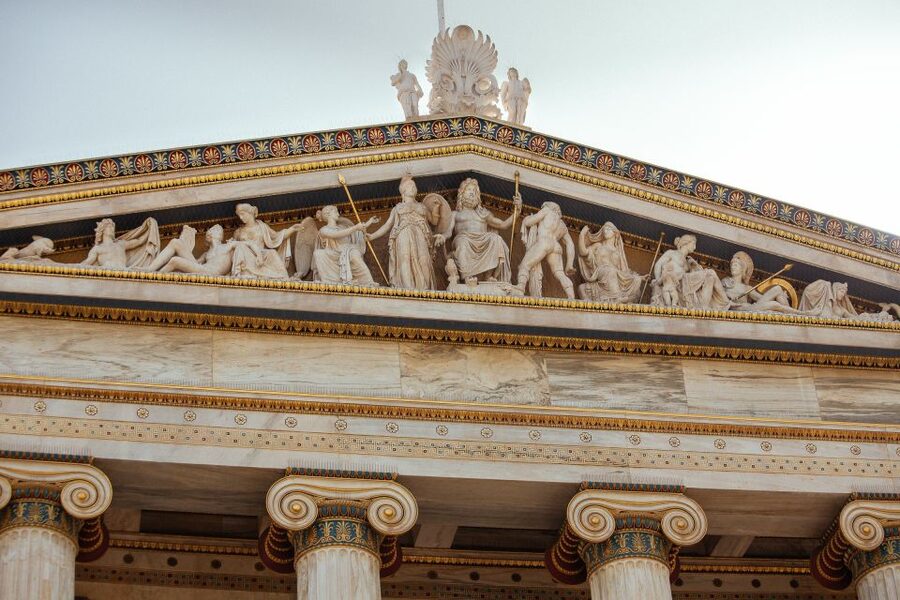
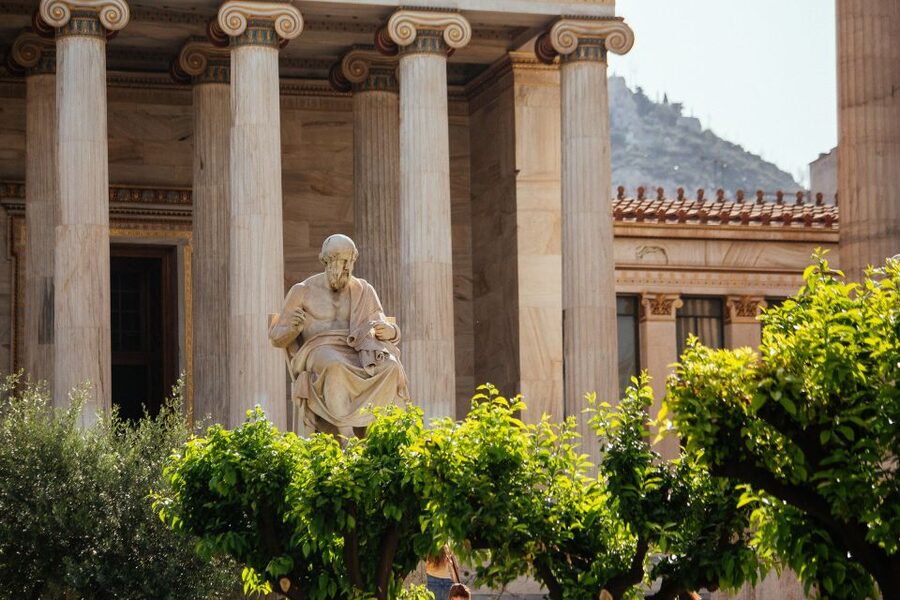
The Academy and University of Athens provide a strong opening because they show how Athens presents its classical past in the modern city. These grand institutions are not ancient ruins, but they help explain the way Greek history and mythology continue to shape public life.
Your guide can use the buildings and their setting to explain why classical ideas still matter in Athens. This is the sort of stop that works best with local commentary. On your own, you might admire the architecture and move on. With a guide, you can connect the buildings to the wider story of Greek education, civic identity, and the city’s view of its past.
I also like this part of the route because it gives you something different from the usual Acropolis visit. You see Athens as a living capital, not just an archaeological site. One guide showed guests the Academy and University along with several other important places, helping them understand how to get around town afterward.
Do not expect the tour to provide a long interior visit to these institutions. The value is in the setting, the explanation, and the way these buildings fit into the route. The walk is about seeing and interpreting the city, not spending hours inside each stop.
Varvakios Market and the everyday city

A visit to the central Varvakios Market adds a welcome change of pace. Greek mythology can become overly grand if every stop involves gods, temples, and heroes. The market brings you back to ordinary Athens, where people shop, work, eat, and move through the city.
The market also helps you understand central Athens as a place with its own daily rhythm. Your guide may explain nearby buildings, local customs, or the importance of the area as you pass through. This is where the tour can feel most connected to present-day life.
The route is not simply a march from monument to monument. Guides have taken guests through markets, side streets, and less familiar parts of the Acropolis area. That makes the walk useful for your first days in town, when you want to get a feel for how the center fits together.
I would keep your expectations practical. This is not a dedicated food tour, and the market is one part of a wider history walk. If you want tastings or a long meal, you should choose a different activity. Here, the market matters because it shows you the city beyond its postcard sights.
More ancient sites near Athens:
- Historical Delphi One Day Tour with Arachova Stop & Expert Guide
★ 4.5 · 1,247 reviews - Historic Athens: Small Group Electric Bike Tour
★ 4.9 · 740 reviews - Athens: Small-Group E-Bike Tour of Historic Highlights
★ 4.9 · 119 reviews - Athens: Bike Tour of Athens Historical Centre
★ 5.0 · 61 reviews
Ancient Agora and Roman Agora
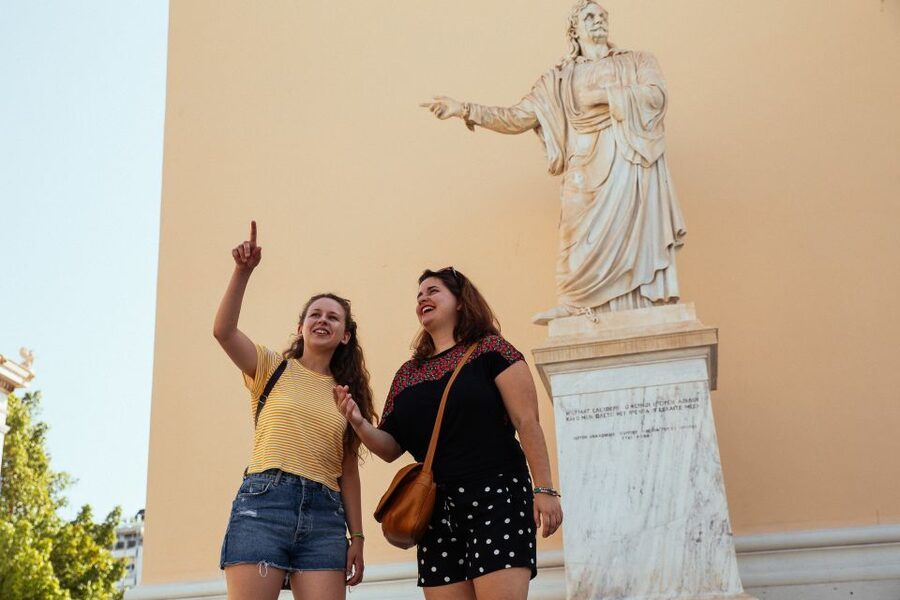
The Ancient Agora and Roman Agora give the mythology stories a stronger historical setting. These areas help you picture Athens as a civic center, not only as the home of famous temples.
The Ancient Agora is especially useful for understanding how public life worked in the old city. The Roman Agora shows a later stage in Athens, when Roman influence shaped the city. A guide can help you separate the different periods, which is not always easy when ruins, later buildings, and modern streets sit close together.
This is also where the tour can correct a common Athens mistake: treating every old stone as part of one single era. The city changed over time. Your guide can point out those layers and explain why a site matters historically, mythologically, or both.
One practical point is that the supplied information does not promise a fixed entrance schedule or a detailed interior visit at every archaeological site. The tour description focuses on seeing landmarks and hearing the stories attached to them. Ask your guide at the start how much time the group will spend at each location, especially if you want a particular agora to receive extra attention.
Monastiraki and the flea market
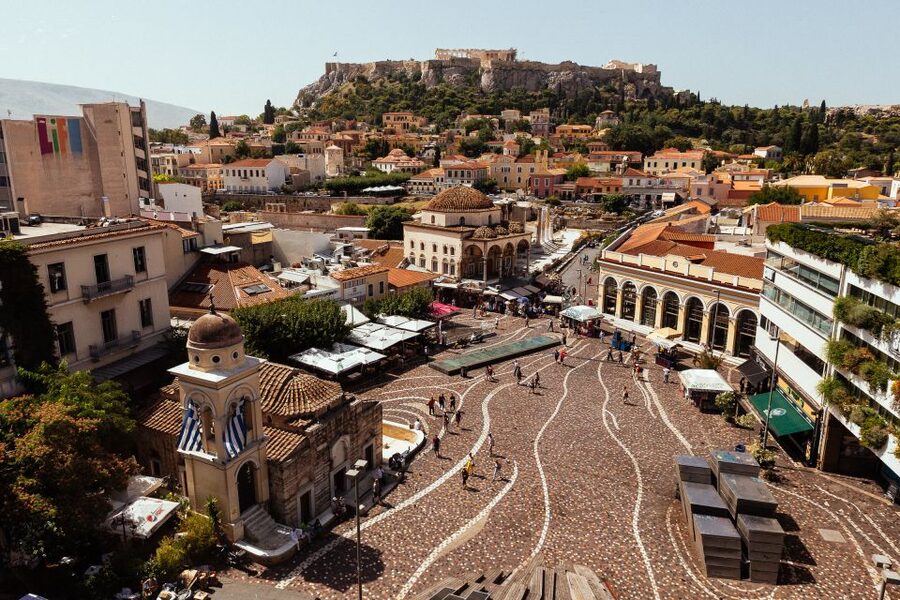
Monastiraki brings the route into one of Athens’ most recognizable central areas. Its flea market and surrounding streets make a useful setting for discussing how old and new Athens overlap.
You will see a commercial part of the city rather than a quiet museum district. That can make the mythology feel more immediate. Ancient stories are not separated from modern life here. Shops, pedestrians, markets, and historic buildings all share the same space.
The Monastiraki section also helps with orientation. You can learn how this part of central Athens connects with the Acropolis area and other sights. Several guides have been praised for helping people understand how to get around town, which may be just as useful as the historical commentary.
Because the walk passes through market areas, stay alert to your belongings and be ready for uneven or crowded sections. That is ordinary city-walking advice, not a special warning about this activity. The important point is that you should wear shoes you can comfortably use for three hours.
Side streets near the Acropolis
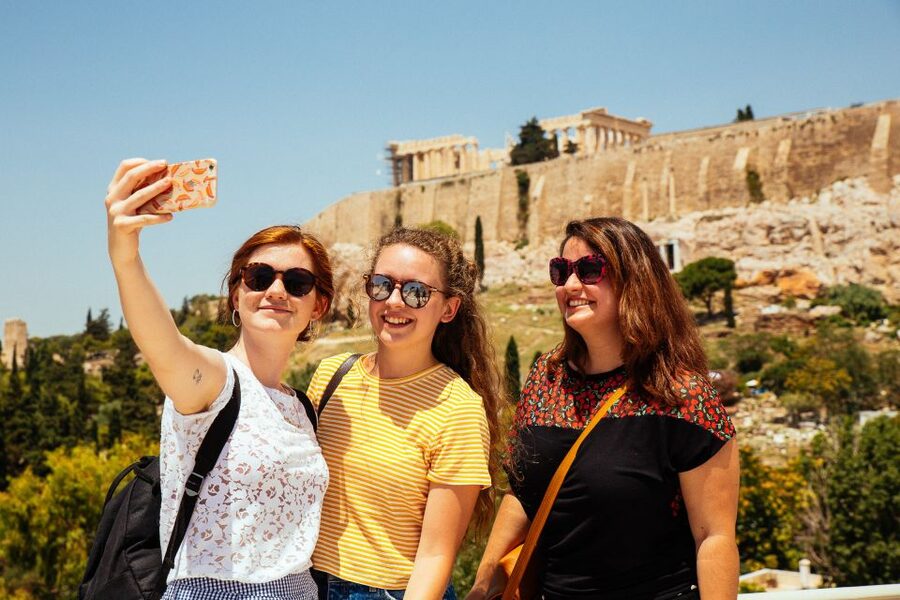
The quieter streets around the Acropolis area may be one of the most rewarding parts of the route. A guide named Myriam took a family through less familiar streets and showed them different views of historic places. That kind of detour can change your understanding of the Acropolis neighborhood.
You may already have plans for the Acropolis itself. This walk is useful because it gives you another angle, both literally and historically. Instead of only approaching the major monument through the busiest visitor route, you get a sense of the surrounding district and the stories attached to it.
I would not expect a secret route or an entirely empty neighborhood. The information only supports the idea of less-known streets and different viewpoints, not guaranteed solitude. Still, a local guide can notice details you might walk past, especially when the route is shaped around questions from your group.
This is also a good place to ask about recent Athens. The experience is not limited to ancient legends. One guide used the walk to explain more recent events in Greece and Athens, giving the city a longer timeline than the usual classical focus.
What the private format adds
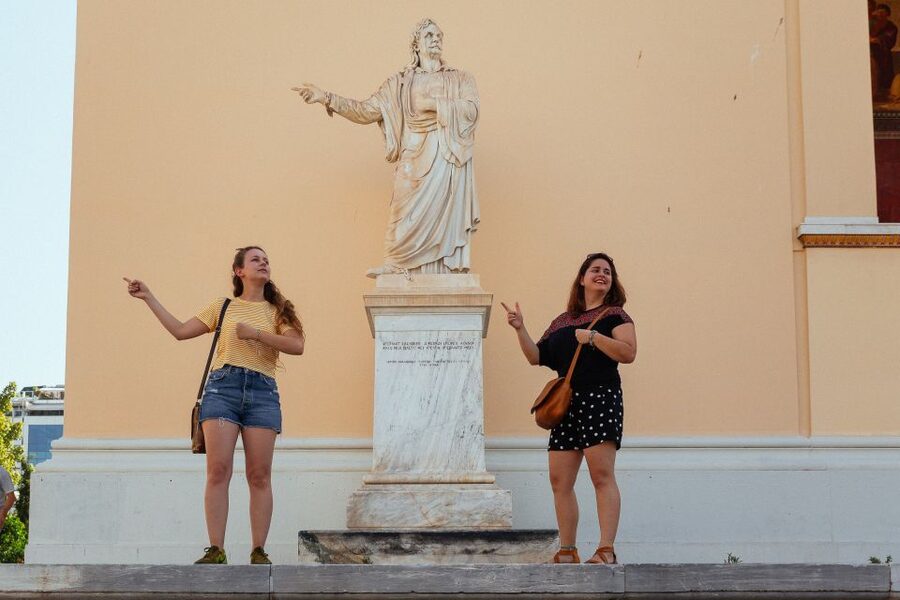
The private setting is the strongest practical reason to choose this tour over a standard group walk. You can ask why one myth matters, how two sites differ, or where to go after the tour. You are not limited to the guide’s prepared speech.
That matters for families, first-time visitors, and anyone who wants a particular emphasis. A family with children aged 11, 13, and 15 found the subject educational, while another guest valued the guide’s humor and easy conversation during transfers between sites. The stories can be adjusted to suit your pace and attention span.
The personal contact can also lead to useful local suggestions. Irini was praised for taking guests to a favorite coffee spot and suggesting a lunch place that they later enjoyed. Those recommendations are not guaranteed, but they show the kind of extra help you can request from a local guide.
The tradeoff is price. At $187 per person, this is not a budget walking tour, especially if you are traveling alone. For two or more people, the cost buys a private guide rather than a basic group introduction. I think the value is strongest when you care about asking questions, want a flexible conversation, or are visiting Athens at the start of a longer trip.
If your main goal is simply to see the Acropolis at the lowest possible cost, this is not the right choice. If you want a personal explanation of Athens beyond the Acropolis, the price becomes easier to justify.
Walking, timing, and comfort
The published duration is three hours, though one guide-led outing lasted four hours. That tells you the experience may run longer depending on the route, questions, and pace, but you should plan around three hours rather than count on an extra hour.
A moderate amount of walking is involved. Comfortable shoes are specifically recommended, and I would take that seriously. You may move between institutions, archaeological areas, markets, squares, and side streets, so this is not a sit-down lecture with short strolls.
The activity is not suitable for pregnant women, people with mobility impairments, or wheelchair users. The information does not provide a detailed accessibility plan, so you should not assume the route can be adapted.
Bring water and leave room in your schedule before your next fixed appointment. That is simple advice, but it makes a difference when a guide is answering questions and showing you more than the bare minimum.
Who should choose this Athens mythology tour?
I would recommend it most strongly to:
- First-time visitors who want a useful introduction to central Athens.
- People who enjoy stories but also want historical context.
- Families with older children and teenagers who may respond better to myths connected to real places.
- Couples or small groups who prefer private conversation.
- Visitors who have already seen the Acropolis and want a wider view of the city.
- Anyone who wants neighborhood, market, and restaurant suggestions from a local guide.
I would be more cautious if you have limited walking ability or only want a short visit to one major archaeological site. The tour covers several parts of central Athens, so its strength is range and conversation rather than a single in-depth monument visit.
The rating is 4.7 from 53 reviews, and the most consistent praise centers on the guides’ command of history, friendly manner, clear storytelling, and ability to answer questions. I would treat that as a useful sign, while remembering that your experience depends on the guide assigned and the interests you bring.
Should you book it?
Book this tour if you want Athens explained as a connected city, where mythology, ancient public life, modern institutions, markets, and neighborhood streets all belong to the same story. The private format, English-speaking guide, and broad route make it especially useful at the beginning of your stay.
Skip it if you want a low-cost group walk, a dedicated Acropolis ticket, or a tour with very little walking. At $187 per person, the value rests in the guide’s time and personal attention. For a small group that wants context, conversation, and practical city advice, that can be money well spent.
FAQ
How long is the Athens mythology tour?
The scheduled duration is three hours. One reported outing lasted four hours, so the actual timing may depend on the guide, route, and questions.
What language is the tour conducted in?
The live tour guide speaks English.
Is this a private tour?
Yes. The activity is for a private group rather than a shared large group.
Where do I meet the guide?
You meet the guide outside Nakas Book House.
Is hotel pickup included?
No. Hotel pickup and drop-off are not included, so you must reach the meeting point yourself.
What places can be included on the walk?
The route can include the Academy and University of Athens, Varvakios Market, Monastiraki flea market, the Ancient Agora, the Roman Agora, and streets around the Acropolis.
Do I need comfortable shoes?
Yes. A moderate amount of walking is involved, and comfortable shoes are recommended.
Is the tour suitable for wheelchair users?
No. The activity is not suitable for wheelchair users or people with mobility impairments.
Can I cancel for a full refund?
Yes. You can cancel up to 24 hours in advance for a full refund. You can also reserve now and pay later.
Newly reviewed around Athens
- Feel Ancient thermal Spa Visit Delphi, Leonidas ℨoo Spaʀtan★ 5.0 · 4 reviews
- Food Tour★ 5.0 · 3 reviews
- Explore the Hidden Food Gems of Athens★ 5.0 · 57 reviews
- Food Experience in Athens including Unlimited Lunch★ 5.0 · 3 reviews
- Eat Your Way Through Athens: A Local Food Walk★ 4.9 · 97 reviews
- From Athens: Delphi Private Tour with Lunch Time★ 4.0 · 3 reviews
- Delphi: Spanish guided one day tour★ 4.6 · 55 reviews
- Early Entry Acropolis & Museum. Beat the Crowds & the heat★ 5.0 · 3 reviews
Athens Mythology Tours, compared.
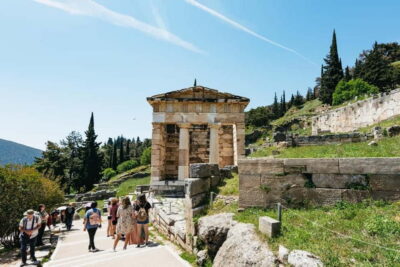
Mythology of Delphi, Museum and Arachova Guided Tour
Read our review →
Athens & Acropolis Highlights: Greek Mythology Small-Group Tour
Read our review →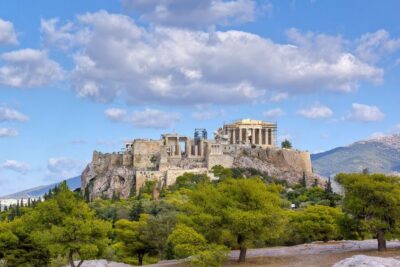
Acropolis and Mythology Highlights Small Group Tour
Read our review →

Athens Highlights: Myths & Philosophers Walking Tour
Read our review →
Greek Mythology Treasure Hunt for Kids – Athens Private Tour
Read our review →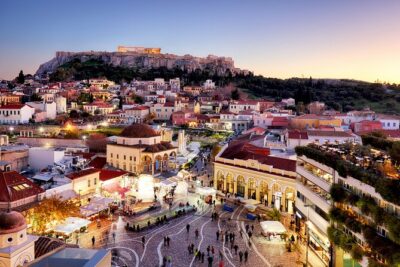

Browse the lists this tour appears in