
Reviewed · ATHENS BIBLICAL TOURS
Footsteps Of Paul, Letters to Corinthians, Private Biblical Tour
Paul’s Corinth was not a quiet outpost. It controlled a narrow land bridge, two ports, a major trade route, and a busy mix of Greek, Roman, Jewish, and Christian life. This private day trip lets you trace that setting from Athens to Ancient Corinth, then out to the Corinth Canal and the seaside port of Kenchreai.
I like the private transport, which gives your group room to ask questions and set a comfortable pace. I also like the way the tour links biblical passages to physical places, from Paul’s 18-month stay in Corinth to his departure for Ephesus with Aquila and Priscilla. The main consideration is that the day is long, and the Ancient Corinth entrance fee, food, drinks, and a licensed guide inside the site are extra.
Key points at a glance
- Paul’s Corinth in context: See why this commercial crossroads mattered so much to Paul’s mission.
- Acrocorinth views: Reach the ancient acropolis for wide views toward the Corinthian and Saronic seas.
- The Canal and Diolkos: Compare a 19th-century engineering project with the ancient route used to move boats overland.
- Ancient Corinth’s biblical links: Discuss First Corinthians, Paul’s judgment before Gallio, and the early church.
- Private, door-to-door travel: Pickup and drop-off are offered from an Athens hotel, Airbnb, apartment, or port.
- Guides with a personal touch: Peter and Tas are praised for clear biblical knowledge, good timing, and attentive service.
Why Corinth matters to Paul’s story
The appeal of this tour is not simply seeing old stones. It is understanding why Paul chose Corinth as a base. The city sat on the Isthmus of Corinth, the narrow strip of land joining mainland Greece and the Peloponnese. Goods and ships moving between the Corinthian Gulf and the Saronic Gulf passed through this strategic area.
That position gave Corinth money, influence, and a constant flow of people. It also created the kind of mixed society where Paul’s message could spread beyond one local community. You can see why he stayed for about 18 months and why establishing a church here mattered to his wider mission.
The tour keeps returning to this connection between place and Scripture. First Corinthians 13 is linked to a marble plaque at the Neo Byzantine church of the Virgin Mary. At another church, dedicated to Paul, you discuss his life in Corinth, his conversion, his hardships, and the judgment before Gallio described in Acts 18.
I find that approach more useful than a standard ancient-site visit. You are not just hearing dates and architectural labels. You are being asked to picture Corinth as Paul would have known it: commercially important, religiously varied, politically powerful, and full of movement.
More biblical and Apostle Paul tours in Athens:
- Biblical Tour Letters ToThe Corinthians St Paul’s Footsteps 6Hour
★ 5.0 · 1,065 reviews - Private Biblical Tour Ancient Corinth & Isthmus Canal from Athens
★ 5.0 · 762 reviews - Private Tour of Apostle Paul’s Footsteps in Ancient Corinth
★ 5.0 · 275 reviews
From Athens to the Corinth Canal
Pickup is arranged from your Athens hotel, Airbnb, apartment, or port. The vehicle is private, air-conditioned, and equipped with WiFi and bottled water. Since only your group participates, you avoid the fixed rhythm of a large coach group.
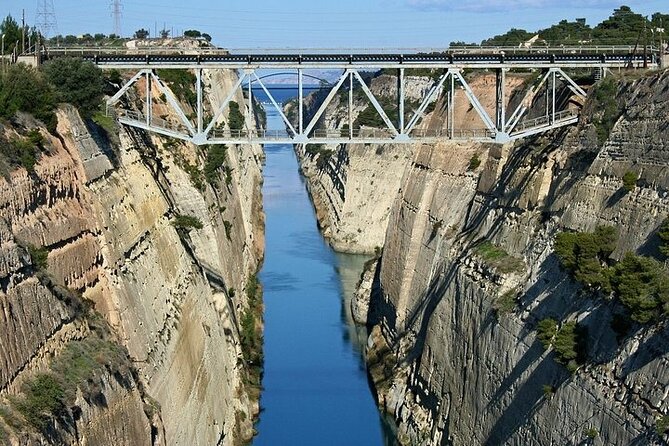
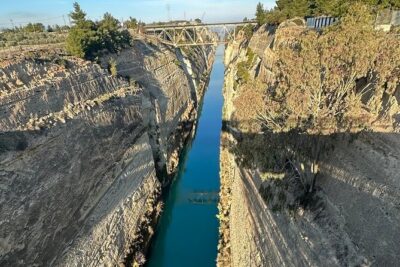
The drive begins with the route toward the Isthmus of Corinth. The Canal is the first major stop, with about 50 minutes set aside. It cuts through the isthmus and links the Corinthian Gulf with the Saronic Gulf, making it one of Greece’s best-known engineering projects of the 19th century.
The canal is a quick lesson in scale. From the viewing area, the steep walls make the waterway easy to understand, even if you are not interested in engineering. Its importance comes from geography: ships could avoid sailing around the Peloponnese, saving time and making this route useful for Mediterranean trade.
Do not expect the Canal stop to feel biblical in the same direct way as Ancient Corinth. Its value is context. It helps you understand why the area has mattered for centuries and why Corinth held such a strong position between two seas.
Walking beside the ancient Diolkos
The Diolkos adds an older layer to the same story. Here, the tour examines ancient limestone roads used to haul boats overland from the Corinthian Gulf toward the Saronic side.
The idea is striking. Before the modern canal, boats and cargo could be moved across the isthmus using teams of people, oxen, and other animals. This was difficult work, but it gave Corinth control over a practical shortcut between two bodies of water.
The guide uses the Diolkos to explain Corinth’s commercial power and the scale of the world Paul entered. The city was connected to many Greek colonies and coastal communities, so a church established here could influence people who were constantly arriving and departing.
This stop is best for visitors who like history with a clear human angle. You can think about the labor behind ancient transport rather than viewing the road as a simple archaeological remnant. The rough stones also make the stop feel more direct and physical than a museum display.
Acrocorinth and the high view over the isthmus
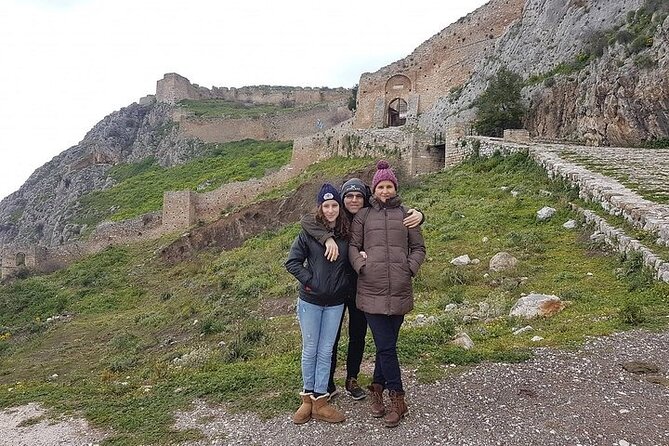
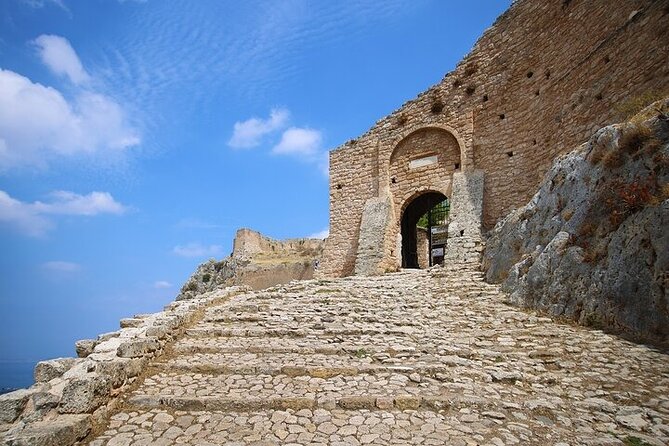
Acrocorinth is the dramatic high point of the day, both literally and visually. The ancient acropolis rises to about 1,886 feet above sea level and is enclosed by roughly 4.9 miles of walls. Its position explains why this rock served as a powerful defensive stronghold.
The site brings together several periods. You can see remains connected with churches, mosques, houses, cisterns, and the former Temple of Aphrodite. A Frankish tower adds another layer to the long sequence of rulers who used the summit.
The views are a major reason to include Acrocorinth. From above, you can look across the valley and toward both the Corinthian and Saronic seas. That wide view makes the geography behind Corinth’s influence much easier to grasp.
The tour also includes the Hadgimoustafa spring, a fountain built during the Ottoman period in 1555. Its running water is connected to the Upper Peirene spring and to the local myth of Pegasus, whose hoof is said to have opened the source.
I would treat this stop as a highlight, but also plan for the possibility that the terrain feels demanding. The information provided does not specify walking conditions or the exact access route, so ask the guide what to expect on the day. Comfortable shoes are a sensible choice for an ancient fortified site, even though no special equipment is listed.
A few more Athens tours worth putting side by side
- Best of Athens Half Day Private Tour
★ 5.0 · 3,714 reviews - Athens Full Day Private Tour
★ 5.0 · 2,903 reviews - Athens Airport Private Arrival Transfer with Meet & Greet
★ 4.5 · 1,495 reviews - Athens Airport to Athens Hotels Private Arrival Transfer
★ 5.0 · 947 reviews
Ancient Corinth, churches, and First Corinthians
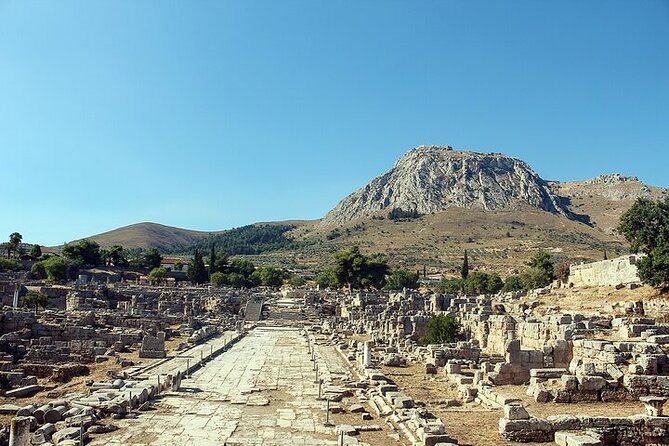
At modern Ancient Corinth, also called Archaia Korinthos, the biblical focus becomes more direct. The village includes a Neo Byzantine church dedicated to the Virgin Mary, where marble plaques refer to First Corinthians 13, including the passage about love and the line identifying love as the greatest virtue.
That detail gives a familiar biblical text a physical setting. You can discuss how Paul’s letters were written for a real community with real tensions, rather than treating them as detached religious phrases.
A second church is dedicated to the Apostle Paul. Here, the visit examines Paul’s life in Corinth and includes discussion of a mosaic by Vlasis Tsotsonis. The mosaic depicts Saul traveling toward Damascus in 34 AD to persecute Christians, followed by the voice and blinding light that changed the direction of his life.
The guide also connects Paul’s conversion and baptism by Ananias with the difficulties he faced in Corinth. The discussion includes his appearance before Gallio, the Roman official mentioned in Acts 18. This is one of the strongest parts of the day for anyone who wants the New Testament treated as a historical narrative tied to specific places.
The churches are not a substitute for a major archaeological excavation, and the visit may appeal less to someone interested only in classical architecture. For a faith-based trip, though, the combination of Scripture, art, and local tradition gives the day a personal center.
The Archaeological Museum and Roman Corinth
The Archaeological Museum of Corinth holds objects from the main site and smaller nearby locations. Its collections cover Greek, Roman, Byzantine, and Ottoman periods, which helps you see that Corinth was not important for only one era.
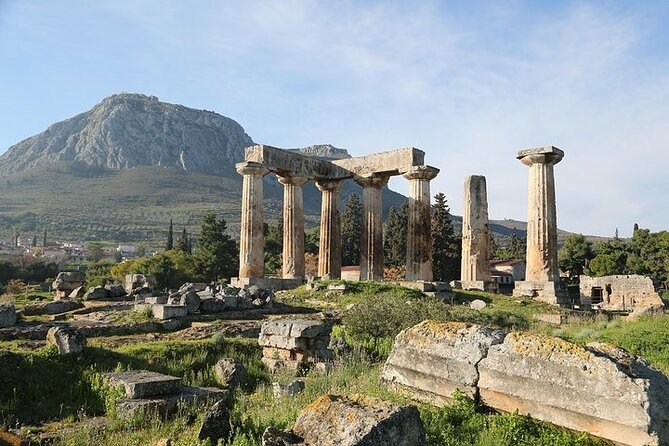
The archaeological site includes the Temple of Apollo, one of the earliest Doric temples in the Peloponnese and on the Greek mainland. It was built around 560 BCE and is notable for its monolithic Doric columns, made from single pieces of stone.
The Roman Agora gives the site a different character. It included shops, small temples, altars, Roman buildings, and public spaces. You can also see references to the ancient amphitheater, Roman Odeon, Glaukus fountain, Roman baths, Lechaion Road, and the Roman forum.
This is where the tour’s historical range becomes especially useful. Paul did not arrive in a purely Greek city frozen in the age of temples. He worked in a Roman-era urban center that still carried older Greek traditions and later passed through Byzantine and Ottoman periods.
About an hour and 40 minutes is allotted for the museum and archaeological area. That is enough time for a purposeful visit, but not an exhaustive study of every object and ruin. Your driver-guide is well versed in ancient, biblical, and modern Greek history, but a licensed guide to accompany you inside the museum and site is not included.
The entrance fee to the Ancient Corinth site is also extra. Factor this into the advertised price, especially if you are comparing the experience with a standard sightseeing excursion.
Lunch in Ancient Corinth or beside the sea
Lunch is scheduled for about an hour and 20 minutes. You can choose an authentic village-style meal in Ancient Corinth or a seaside lunch at the Baths of Helen of Troy.
The choice gives the day a welcome pause after the museum and ruins. A village meal keeps you close to the archaeological area and makes the stop practical. The seaside option changes the mood and adds another coastal setting to a day already shaped by the two gulfs.
Food and drinks are not included, so budget separately. The guide’s role can matter here. Tas is specifically praised for his restaurant choice and for using the day well, while Peter is described as attentive to practical needs such as water, snacks, and bathroom stops.
Those details are useful for families and older visitors. The tour is private, but it is still a full eight-hour day with several historic locations. A guide who notices when you need a break can make the schedule feel much easier.
Kenchreai, Paul’s departure, and the return to Athens
The final historic stop is Kenchreai, also spelled Cenchreae, on the Saronic Sea. It was one of Corinth’s two ports and is associated with Paul’s departure from Corinth in 53 AD.
Here, the tour connects Paul’s sailing to Ephesus with Aquila and Priscilla. You also discuss the Nazarite vow and the cutting of Paul’s hair described in Acts 18:18.
Kenchreai is a fitting final stop because it shifts the story from Paul’s ministry in Corinth to his onward movement. After spending so much of the day understanding Corinth as a center of trade and church life, you see the port as a place of departure and continuation.
The return drive to Athens takes about 70 minutes, with roughly 30 minutes listed for the Kenchreai visit. That makes the end of the day fairly efficient, but you should still expect a long day from pickup to drop-off. The private vehicle helps, since you can settle into your own group’s space rather than follow a large bus schedule.
What the 312.83 dollar price gives you
At $312.83 per person, this is not a budget sightseeing transfer. The price needs to be judged against what is included: private transportation, pickup and drop-off, an air-conditioned premium vehicle, WiFi, bottled water, and a professional driver-guide for a full day.
The private format is the main value. You are not paying only to reach Corinth. You are paying for a planned route that includes the Canal, Diolkos, Acrocorinth, churches, the archaeological area, lunch time, and Kenchreai. For a family or small group, the ability to discuss biblical questions directly with the guide may justify the higher cost.
Still, be clear about the extras. Food, drinks, tips, and the entrance fee for the Ancient Corinth site are not included. A licensed guide to accompany you into the site and museum is also excluded, so ask exactly how the driver-guide handles explanations inside the archaeological area.
The tour is often booked about 63 days ahead, which suggests planning early is sensible if your Athens dates are fixed. Free cancellation is available up to 24 hours before the start time. Changes or cancellations inside that window are not accepted for a refund.
Which guide style suits this experience
The guide is central to the value. Peter is praised for knowing both Scripture and the scenery, keeping the family comfortable, and paying attention to basics such as water, snacks, and bathroom needs. That sort of care matters on a long day with several stops.
Tas is praised for bringing Paul’s story to life, using time well, and choosing a good restaurant. His friendly personality is also highlighted, which can make a private day feel more relaxed rather than like a series of formal lectures.
You cannot necessarily request one of these guides unless the company confirms it, but their described approach tells you what this experience aims to provide: personal attention, biblical interpretation, local history, and practical help along the way.
Who should book this Corinth tour?
I would choose this tour if you want Paul’s Corinth to be the main subject of your day in Greece. It suits church groups, pastors, families, and visitors who want the New Testament connected to ancient roads, ports, temples, and Roman public spaces.
It is also a strong option if you value privacy and hotel pickup more than the lowest possible price. The route covers a lot of ground, and private transport makes the schedule more manageable.
You may want something else if your priority is a slow, specialist archaeological visit. The day includes many stops, and the included guide is a professional driver-guide rather than a licensed guide accompanying you throughout the museum and site. The entrance fee is extra, and the eight-hour schedule leaves limited room for lingering.
Should you book it?
Book this private Corinth tour if you want a full day built around Paul, First Corinthians, Acts, and the geography that shaped the early church. Its best features are the personal vehicle, the range of sites, the views from Acrocorinth, and the ability to connect Scripture with the Diolkos, Roman Agora, and Kenchreai.
Before booking, confirm the entrance cost, ask about the licensed guide arrangement, and be ready for a long day. If those points suit your plans, this is a thoughtful way to move beyond central Athens and see why Corinth was such an important place in Paul’s life.
FAQ
How long does the private biblical tour last?
The experience lasts about eight hours, including the journey between Athens and the Corinth sites.
Where can pickup take place?
Pickup and drop-off are offered from a hotel, Airbnb, apartment, or port in Athens.
Is this a private tour?
Yes. Only your own group participates in the activity.
Is Ancient Corinth’s entrance fee included?
No. The entrance fee for the Ancient Corinth site is not included in the tour price.
Are food and drinks included?
No. Food and drinks are not included. Lunch is planned in Ancient Corinth or at the Baths of Helen of Troy.
Is a licensed guide included inside the archaeological site and museum?
No. A licensed guide to accompany you into the site and museum is not included. The experience does include a professional driver-guide familiar with ancient, biblical, and modern Greek history.
What is the cancellation policy?
You can cancel up to 24 hours before the experience starts for a full refund. Cancellations or changes made less than 24 hours before the start time are not accepted for a refund.
Newly reviewed around Athens
- Athens: workshop for painting landscape with local artist★ 4.6 · 3 reviews
- Athens: Greek Wine & Olive Oil Tasting at Brettos Plaka★ 4.5 · 3 reviews
- Outdoor Yoga and Pilates with Akropolis view★ 4.0 · 5 reviews
- Acropolis of Athens: 60′ Tour in a Vintage Motorcycle★ 5.0 · 4 reviews
- Ultimate Tasting of the Volcanic Wines of Greece★ 5.0 · 3 reviews
- workshop for painting acropolis/landscape with local artist★ 5.0 · 3 reviews
- Athens at Twilight Night Tour with Drinks and Meze Dishes★ 4.8 · 4 reviews
- Breakfast in the markets with olive oil and honey tasting★ 4.8 · 8 reviews
Athens Biblical Tours, compared.
Biblical Tour Letters ToThe Corinthians St Paul’s Footsteps 6Hour
Read our review →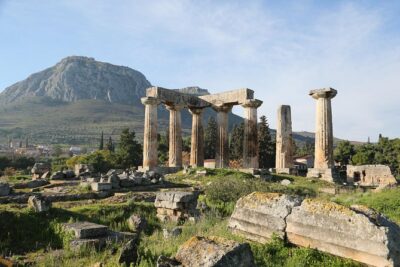
Private Biblical Tour Ancient Corinth & Isthmus Canal from Athens
Read our review →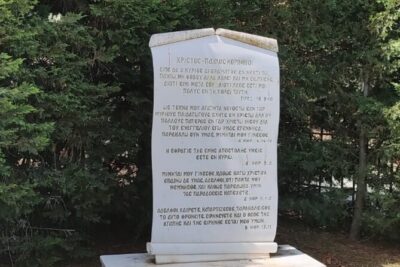
Private Tour of Apostle Paul’s Footsteps in Ancient Corinth
Read our review →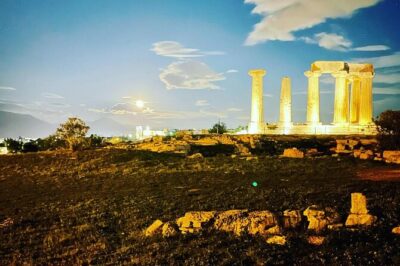
Private Luxury Biblical Tour: Apostle Paul in Athens & Corinth
Read our review →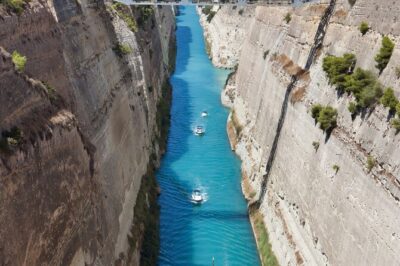
Private Luxury Biblical Tour: Apostle Paul’s Footsteps – Corinth
Read our review →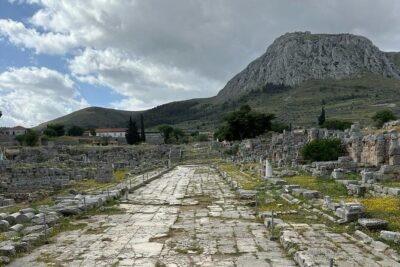
Ancient Athens Corinth Biblical Tour Following Paul 51.A.D
Read our review →
Biblical Corinth: St. Paul and His Letters to the Corinthians
Read our review →Browse the lists this tour appears in