
Reviewed · DELPHI TOURS FROM ATHENS
From Athens: 4-Day Peloponnese, Delphi, and Meteora Tour
The biggest appeal here is the sheer sweep of the route. In four days, you move from Mycenaean tombs and a Greek theater to the birthplace of the Olympic Games, Apollo’s sanctuary at Delphi, and the cliff-top monasteries of Meteora.
I like that the $742 price covers transport, three hotel nights, breakfasts, dinners, admission fees, and skip-the-line access. I also like the Spanish-speaking licensed guide, who stays with the group instead of handing you off at every stop. The tradeoff is a lot of road time, plus a real need to confirm the language before departure.
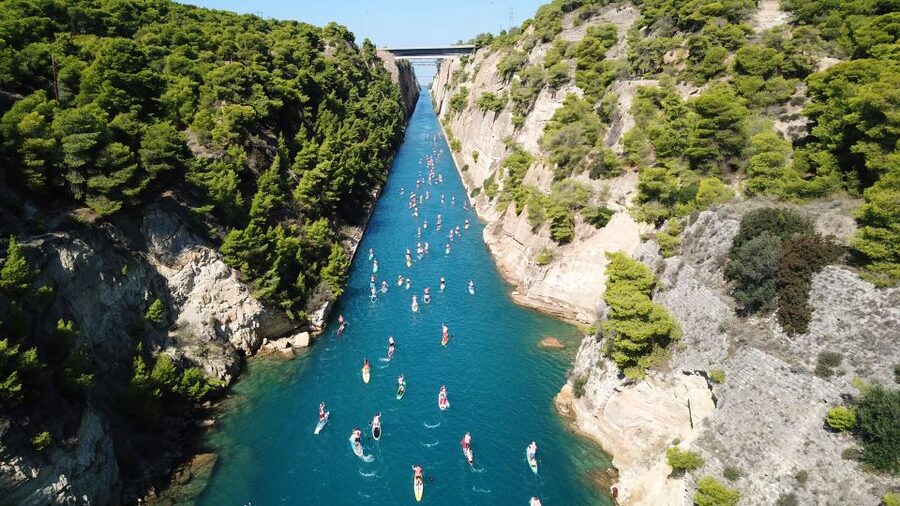
- Corinth Canal and Argolis: Begin with a striking engineering work, then visit Mycenae and Epidaurus.
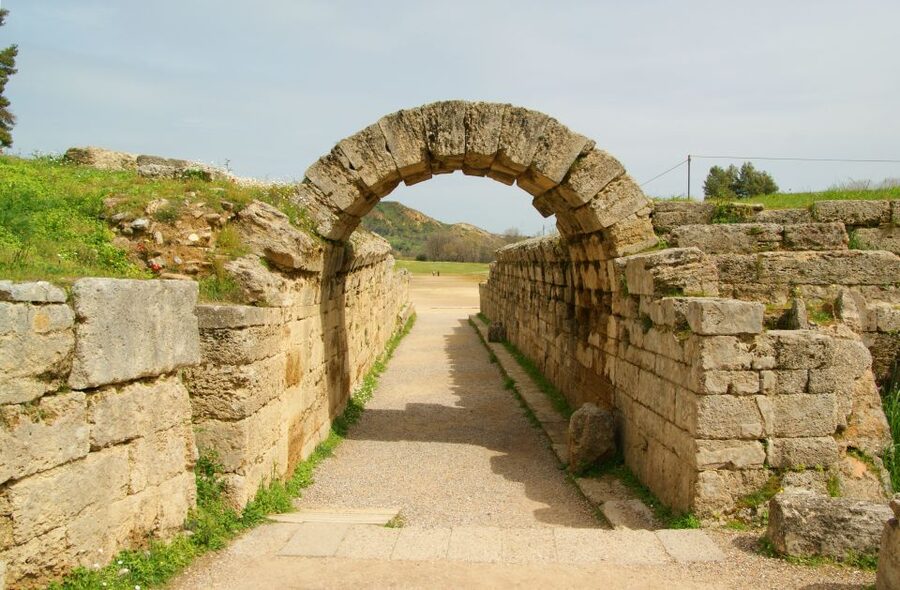
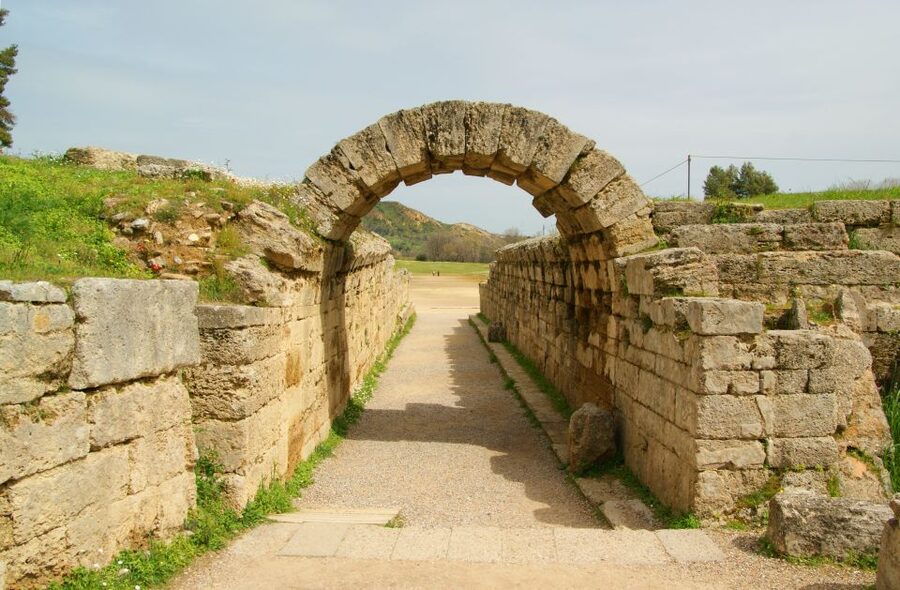
- Ancient Olympia: Walk through the stadium where the Olympic Games began.
- Delphi: See the sanctuary linked to Apollo, the oracle, and the Pythia.
- Meteora monasteries: Visit two monasteries among towering Byzantine rocks.
- All-in pricing: Hotels, three breakfasts, three dinners, transport, and entrance fees are included.
- Important caution: Lunches, drinks, hotel tax, and personal expenses cost extra, and the route is not suitable for wheelchair users.
Why this four-day Greek circuit works
This is a sightseeing marathon, not a slow village holiday. You cover much of mainland Greece by coach, with long stretches between the famous sites. That pace lets you see places that would be difficult to connect on your own, but you should expect early starts, repeated hotel checkouts, and limited free time.
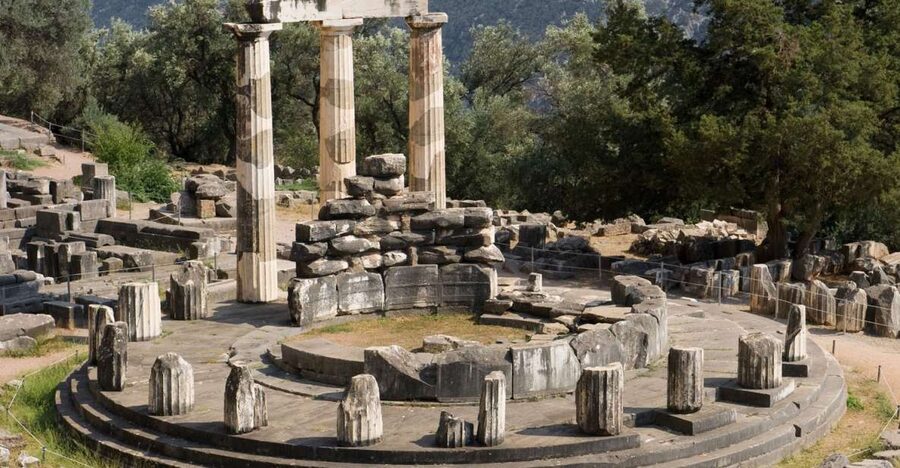
For me, the strongest feature is the range. Mycenae gives you the Bronze Age, Epidaurus shows Greek theater at its finest, Olympia connects archaeology with modern sport, Delphi brings myth and religion into the picture, and Meteora adds a completely different setting with Orthodox monasteries high above the plain.
The price also makes more sense once you count the inclusions. At $742, the four-day cost works out to about $185 per day before extra lunches and drinks. You are paying for three nights of accommodation, road transport, a guide, entry tickets, headsets, onboard WiFi, three breakfasts, and three dinners. A self-planned version could cost less if you use budget hotels and public transport, but matching this route and its admission fees would take more work.
You should still read the fine print. The hotel is listed as 3 or 4 star, depending on the option you choose. An accommodation tax is paid at reception, not included in the booking price. From April through October, that tax is €5 per room per night at a 3-star hotel or €10 at a 4-star hotel. From November through March, it drops to €1.50 or €3 per room per night.
From Athens to the Corinth Canal and Argolis
The meeting point is in front of the Melina Mercouri monument, close to the Acropolis metro station. Representatives bring you to the coach, where you meet the guide. Arrive ready for a full day, with water, a hat, and shoes that can handle stone paths.
The first stop is the Corinth Canal. It is a quick but worthwhile introduction to the journey. The canal cuts through the narrow Isthmus of Corinth, creating a dramatic straight-sided passage between the mainland and the Peloponnese. You will not spend hours here, but it gives you a clear sense of how geography shaped Greek travel and trade.
The route then heads into Argolis for Mycenae. This is one of the most important archaeological stops on the trip, especially if you want to understand Greece before the classical age. The site is linked with the Mycenaean civilization and the legends surrounding Agamemnon.
You visit both the archaeological site and its museum. Expect ancient walls, monumental construction, and views across the surrounding countryside. The ground is uneven in places, so this is not a casual stroll in smooth city streets. Comfortable shoes are essential, and anyone with limited mobility should take the access warning seriously.
Epidaurus follows, with its famous ancient theater. The theater is celebrated for its acoustics, and your guide will likely demonstrate how sound carries across the seats. This is one of those places where the design is easier to appreciate in person than in a photograph.
The visit also shows the practical side of ancient Greek culture. Epidaurus was connected with healing and worship, not just theater. You get a useful contrast here: Mycenae feels defensive and royal, while Epidaurus feels ordered, ceremonial, and made for public performance.
After the Argolis visits, you continue to Olympia for dinner and your first overnight stay. The day combines several major sights, so the schedule may feel tight. Still, it is an efficient way to connect places that are spread across the Peloponnese.
More Delphi trips from Athens:
- Athens: Mythology of Delphi, Museum and Arachova Guided Tour
★ 4.6 · 4,008 reviews - From Athens: Delphi Full Day V.R. Audio Guided Tour
★ 4.6 · 3,028 reviews - From Athens: Small-Group Delphi, Museum & Arachova Day Trip
★ 4.8 · 2,476 reviews
Ancient Olympia and the road to Delphi
Day two begins with breakfast and a hotel checkout. The morning centers on Ancient Olympia, the site where the Olympic Games were held in antiquity. This is more than a stadium visit. The ruins include the wider sanctuary, where athletic contests were part of religious life dedicated to Zeus.
The stadium is the emotional center of the stop. Walk through the entrance and onto the running track, and the modern Olympic connection becomes easier to grasp. The site does not look like a modern sports complex. That is part of its appeal. You are seeing the remains of a sacred athletic center rather than a polished arena.
The visit is especially rewarding if your guide explains how the games fit into ancient Greek religion and civic life. Headsets are provided, which should help you follow the commentary when the group spreads out among the ruins.
Lunch is optional and not included. That gives you some control over spending, but you should budget for it. The same applies to drinks throughout the trip. Three dinners and three breakfasts are covered, but the middle of the day is your responsibility.
After Olympia, the coach travels toward Delphi. This is one of the longer transfer periods, and it is worth treating the bus as part of the rhythm of the trip. You can rest, watch the scenery change, and use the onboard WiFi when available. The downside is clear: after a full morning on foot, a lengthy road journey can make the day tiring.
Dinner and the second overnight stay are in Delphi. The overnight location matters because you are not rushing in from Athens for a short visit. You begin the next morning closer to the archaeological site, with more time for the main visit.
Delphi, Apollo, and the Oracle
Day three begins with breakfast and another checkout. Delphi was considered the Navel of the Earth by ancient Greeks, a symbolic center where the human and divine worlds met. The sanctuary was dedicated to Apollo and became famous for the oracle delivered by the Pythia, the high priestess.
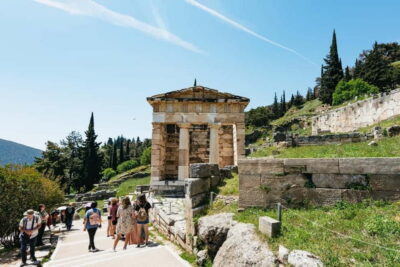
The archaeological site gives you the physical setting for those stories. Temples, treasuries, and sacred spaces sit along the slope, with views across the surrounding hills. The setting is a major part of the experience, so make sure you leave enough time to look beyond the stones and understand why the location carried such religious force.
The museum adds statues, architectural pieces, and objects from the sanctuary. It is useful for seeing details that are easier to miss outdoors, especially when your guide points out how the ancient buildings were decorated and arranged.
Here is where guide style matters most. A strong explanation can connect Apollo, the oracle, the Pythia, and ancient politics in a way that makes the ruins easier to read. But the balance must favor the site itself. On at least one departure, the museum commentary reportedly took around two hours, leaving far less time for the archaeological remains. That is a serious problem at Delphi, especially in poor weather.
You can protect yourself a little by keeping track of the schedule and asking how much time will remain outdoors. If rain is forecast, the order of the museum and ruins matters. A long indoor explanation followed by a wet hour outside can spoil the visit. This is also a good reason to bring a light rain layer, even though the official packing advice highlights a hat and comfortable shoes.
After Delphi, you have an optional lunch at a traditional Greek tavern. It is not included, but the stop gives you a chance to eat before the next road section. The journey then continues to Kalambaka, the base for Meteora.
Meteora’s monasteries above Kalambaka
Meteora provides the visual high point of the route. Massive Byzantine rocks rise above the area, with monasteries built on or near their summits. The setting feels entirely different from Olympia and Delphi. Instead of open archaeological ruins, you encounter active religious buildings shaped by isolation, stone, and steep heights.
On the fourth morning, you visit two monasteries. The tour explains Orthodox monasticism and the ascetic life once practiced in these hard-to-reach places. The combination of architecture and setting is what makes Meteora so memorable. You are not simply walking through another museum. You are seeing religious communities built in places that demanded effort and faith to reach.
Dress properly. Shoulders and knees must be covered when entering the monasteries. This rule applies to all visitors, so pack clothing that meets the requirement rather than relying on the site to provide a solution.
The visit may include stairs and uneven approaches. The tour is specifically not suitable for wheelchair users or people with mobility impairments. Even if you walk well, sensible shoes will help on stone surfaces.
After the monastery visits, the group stops for lunch before the return journey to Athens. Lunch remains extra, and the final coach ride can be long. You should not book an important evening flight or a tight connection without allowing plenty of margin. The tour ends back in Athens, but the exact finish time is not provided.
More Meteora trips from Athens:
- Athens: Meteora Monasteries Day Trip with Caves and Lunch
★ 4.7 · 2,964 reviews - Athens: Meteora Monasteries Day Tour with Lunch
★ 4.8 · 2,196 reviews - Athens: Meteora Tour with Local Guide and Greek Lunch
★ 4.8 · 1,561 reviews - Athens: Meteora Monasteries, Caves & Coastal Stopovers with Lunch
★ 4.5 · 1,432 reviews
Guides, language, and the pace of the road
The listed live guide language is Spanish, and the tour is designed around a guide accompanying the group throughout the four days. That can be a major benefit if you speak Spanish. A continuous guide can connect the sites rather than treating each stop as a separate lecture.
If you booked expecting English, contact the operator before departure and confirm the language in writing. A serious communication problem occurred on one departure when an English booking was followed by Spanish tour information, leaving the participant unable to understand meeting times and commentary. Do not assume that a booking preference guarantees an English guide when the activity details specify Spanish.
The guide’s approach also matters because the route has many hours on the bus. Commentary can add useful context, but nonstop speaking during long transfers may leave you with little quiet time. If you need rest between sites, be ready to ask for a quiet period politely.
Headsets are included, which should make site explanations easier to hear without crowding around the guide. The equipment is helpful at large archaeological areas, where the group may spread out. Onboard WiFi is also included, though the information does not promise a particular connection speed or reliability.
What the $742 price really covers
The package offers solid convenience for a multi-stop mainland route. Included costs are:
- Air-conditioned coach transport
- A live Spanish-speaking guide
- Three nights in a 3 or 4-star hotel
- Three breakfasts and three dinners
- Entry to the listed archaeological sites and museums
- Skip-the-line access
- Headsets and WiFi on the coach
The missing costs are easy to overlook. You pay for lunches, drinks, the hotel accommodation tax, and personal expenses. Add those to your budget before deciding that the advertised price is your complete trip cost.
The value is strongest for someone who wants the major sites without arranging several intercity transfers and hotel bookings. The value is weaker if you dislike group schedules, prefer long unstructured visits, or want to choose your own restaurants and sleeping towns.
Free cancellation is available up to 24 hours before departure, and you can reserve now and pay later. Those terms help if your Athens plans are still moving, but they do not solve the language question or the physical demands of the route.
Who should book this tour
I would choose this trip if you have only a few days in Greece and want the major mainland sights in one organized circuit. It suits history fans, first-time visitors, and anyone who values having transport, entry fees, hotels, and dinners arranged in advance.
I would also recommend it to Spanish speakers who enjoy guided context and do not mind a firm schedule. You should be comfortable walking over uneven archaeological ground, climbing at Meteora, changing hotels, and spending several hours on a coach.
I would hesitate if your main goal is quiet, flexible sightseeing. The route covers a great deal, but that means some visits may feel compressed. I would also think twice if you need wheelchair access, cannot cover your shoulders and knees at monasteries, or need an English-language guide.
Should you book the Peloponnese, Delphi, and Meteora tour?
Book it if your priority is coverage. In four days, you see five major Greek sites that are difficult to combine independently, and the included hotels, dinners, transport, and admission fees make the price reasonable for a ready-made route.
Before paying, confirm three things: the guide language, the hotel category, and how much time is planned at each major site. If those details suit you, this is an efficient, history-heavy trip with an unforgettable finish at Meteora. If you want leisurely meals, long stays, or complete control over each stop, build the route yourself instead.
FAQ
What language is the tour conducted in?
The listed live tour language is Spanish. If you need English, confirm the language with the operator before booking.
What meals are included?
Three breakfasts and three dinners are included. Lunches and drinks are not included.
Are hotel taxes included?
No. The accommodation tax is paid at the hotel. From April through October, it is €5 per room per night for a 3-star hotel and €10 for a 4-star hotel. From November through March, it is €1.50 for a 3-star hotel and €3 for a 4-star hotel.
Which sites are visited?
The route includes the Corinth Canal, Mycenae and its museum, Epidaurus Ancient Theater, Ancient Olympia, Delphi’s archaeological site and museum, and two monasteries at Meteora.
What should I wear at Meteora?
Your shoulders and knees must be covered when visiting the monasteries. Comfortable shoes are also recommended.
Is the tour suitable for wheelchair users?
No. The activity is not suitable for wheelchair users or people with mobility impairments.
More four-day trips from Athens
- 4-Day Classical Greece Tour: Epidaurus, Mycenae, Olympia, Delphi, Meteora
★ 4.5 · 732 reviews - 4-Day Tour of Mycenae, Epidaurus, Olympia, Delphi & Meteora
★ 4.8 · 168 reviews - 4-Day Greece Highlights Tour: Epidaurus, Mycenae, Olympia, Delphi and Meteora
★ 5.0 · 79 reviews - From Athens: Explore Ancient Greece 4-Day Tour
★ 4.7 · 73 reviews
More Peloponnese trips from Athens
- Athens: Peloponnese Highlights Day Trip and V.R. Audio Guide
★ 4.5 · 1,425 reviews - Argolis: Full-Day Tour in Mycenae & Nafplio
★ 4.2 · 350 reviews - PELOPONNESE HIGHLIGHTS PRIVATE: Corinth Mycenae Nafplio Epidaurus
★ 5.0 · 103 reviews - Ancient Sparta Ancient Corinth Private Tour from Athens/ Nafplio
★ 5.0 · 58 reviews
Newly reviewed around Athens
- Athens: workshop for painting landscape with local artist★ 4.6 · 3 reviews
- Athens: Greek Wine & Olive Oil Tasting at Brettos Plaka★ 4.5 · 3 reviews
- Outdoor Yoga and Pilates with Akropolis view★ 4.0 · 5 reviews
- Acropolis of Athens: 60′ Tour in a Vintage Motorcycle★ 5.0 · 4 reviews
- Ultimate Tasting of the Volcanic Wines of Greece★ 5.0 · 3 reviews
- workshop for painting acropolis/landscape with local artist★ 5.0 · 3 reviews
- Athens at Twilight Night Tour with Drinks and Meze Dishes★ 4.8 · 4 reviews
- Breakfast in the markets with olive oil and honey tasting★ 4.8 · 8 reviews
Delphi Tours from Athens, compared.
Mythology of Delphi, Museum and Arachova Guided Tour
Read our review →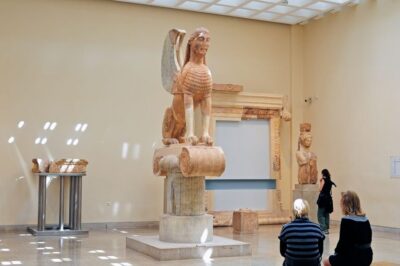
Small-Group Delphi, Museum & Arachova Day Trip
Read our review →
Delphi English Day Trip from Athens with Official Guide
Read our review →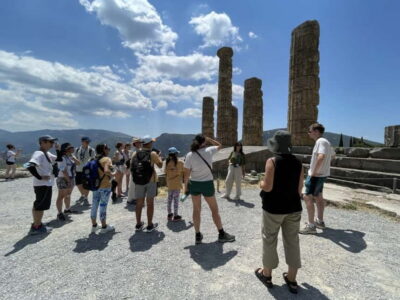
Delphi Guided Trip with Optional Lunch and Entry
Read our review →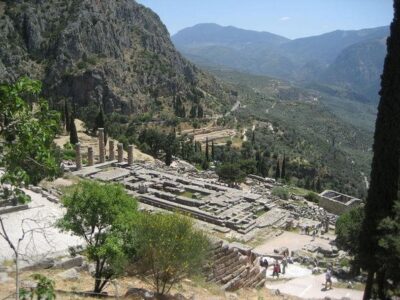
Historical Delphi One Day Tour with Arachova Stop & Expert Guide
Read our review →
Premium Delphi Day Trip with an Expert Guide, Museum & Lunch
Read our review →
Browse the lists this tour appears in