
Reviewed · ANCIENT CORINTH TOURS
Apostle Paul Steps private tour (Athens, Kechries, Corinth & Canal) 10 hours
Paul’s route through Corinth brings the New Testament to ground. At Kechries, you visit the port where Paul stopped during his second missionary journey. At Ancient Corinth, you walk among the streets and temples tied to his work, then return to Athens for the Acropolis. It is a full day of roads, ruins, and big views.
I like the private format, since you can travel at your own pace rather than follow a large group. I also like the practical touches: hotel pickup, a clean air-conditioned vehicle, cold water, maps, books, and historical audio material. Drivers such as Jimmy, Christos, and Phillip have been praised for smooth driving, patience, and clear explanations.
The main thing to understand is that your driver is not an archaeologist guide. You receive commentary in the vehicle, but you explore the sites on your own unless you arrange and pay for an archaeologist separately. The day is also long, and Acrocorinth closes at 4 p.m., so an early start matters.
Key points at a glance
- Follow Paul’s Corinth route: Visit Kechries, Ancient Corinth, and places connected with Acts and the Corinthian letters.
- Cross the Corinth Canal: Walk onto a pedestrian bridge and look down from about 80 meters above the water.
- Travel privately from Athens: Choose a sedan, minivan, or minibus, with pickup and drop-off included within the stated Athens service area.
- See more than one major site: The day combines Corinth’s ruins and museum with the Acropolis, Parthenon, and Erechtheion.
- Plan for admission costs: Site tickets are extra, and the listed prices vary by season and by the ticket combination.
- Ask for an archaeologist if needed: Your driver can explain the sites on the road, but does not guide you inside them.
Why this private Paul tour works
This is not simply a ride to a famous ruin. It connects several places into one readable story. You begin with the Corinth Canal, a modern engineering project cut through the narrow Isthmus of Corinth, then move to ancient ports and city remains. At the end, Athens brings the larger Greek story into view with the Acropolis.
I like this approach because Corinth can feel scattered if you visit without a plan. Kechries, the Diolkos, Ancient Corinth, and Acrocorinth are not all in one compact archaeological enclosure. Having a private driver saves you from working out the connections by bus or taxi, and your driver can point out what each place meant.
The religious focus is clear, but you do not need to be a biblical scholar to enjoy the day. The canal and fortress add variety, while the ruins give you a sense of daily life, trade, politics, and travel in the ancient Greek world.
The experience is priced at about $270.05 per person, but the real value depends on the size of your party and the vehicle selected. A private sedan for a small group costs more per person than filling a minivan or minibus. Fuel, toll roads, parking, and private transportation are included, which removes several expenses that can add up on a long excursion.
More Ancient Corinth and canal trips:
- From Athens: Ancient Corinth Day Trip with Canal & VR Guide
★ 4.6 · 1,073 reviews - Private Biblical Tour Ancient Corinth & Isthmus Canal from Athens
★ 5.0 · 762 reviews - Athens: Ancient Corinth & Nafplio Full Day Trip with Swim
★ 4.8 · 523 reviews
Starting early at the Corinth Canal
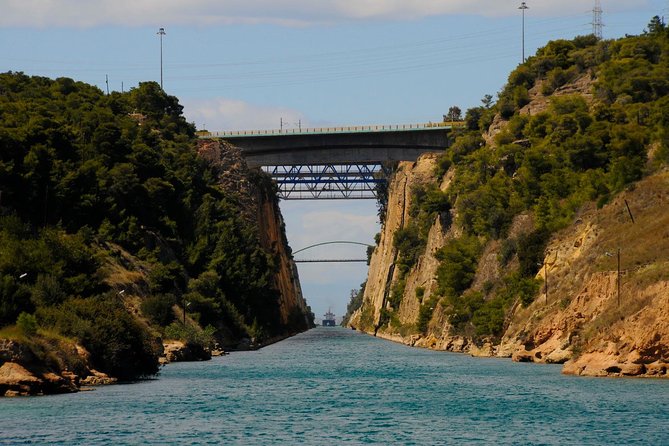
The Corinth Canal is a short stop, about 15 minutes, but it gives the day a strong opening. The canal links the Aegean and Ionian seas and cuts through the isthmus between mainland Greece and the Peloponnese.
More than 2,500 workers spent twelve years digging the 6,400-meter channel from 1881 to 1893. From the pedestrian bridge, you can look down into the narrow cut and take photographs. The stated viewpoint is about 80 meters above the canal, so this is a good place for scale: ships look small, and the walls make the engineering easier to grasp.
Do not expect a long guided visit here. It is a photo and orientation stop. Still, it earns its place because the canal explains why this stretch of land mattered for centuries. Ancient ships and goods also sought ways across the isthmus, long before the modern waterway was completed.
An 8 a.m. start, or earlier in summer, is sensible. You have several stops ahead, and Acrocorinth closes at 4 p.m. A late departure could force you to shorten the fortress visit or rush through Ancient Corinth.
Kechries and the eastern port of Corinth
Kechries is a quieter stop, usually about 15 minutes. In antiquity, Kenchreai was Corinth’s eastern port on the Saronic Gulf. Lechaion served ships heading west through the Corinthian Gulf toward Italy and the rest of Europe.
That division helps you understand Corinth as a trading power. Goods and people arrived by sea, then moved overland across the isthmus or continued through the city’s commercial network. Kechries was also linked to early Christianity. Acts 18:18 places Paul there during his second missionary journey, when he cut his hair to fulfill a vow. Paul also refers to the local Christian community and Phoebe in his letter to the Romans.
The stop is brief, and there is no admission charge listed. You should see it as a place for reflection and context rather than a large preserved monument. The value comes from standing at the port named in the biblical account and seeing how Corinth’s location shaped Paul’s movement.
Walking through Ancient Corinth
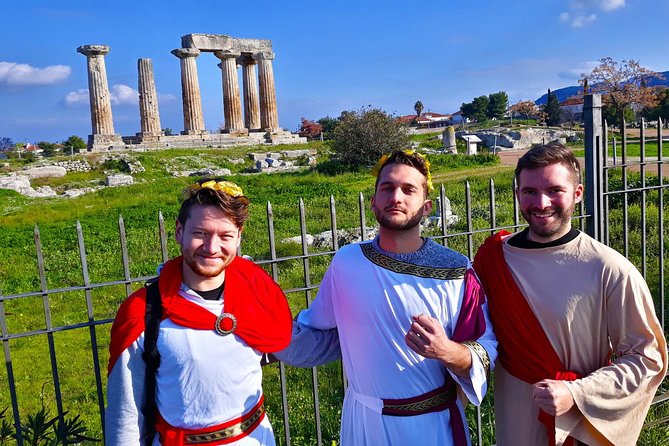
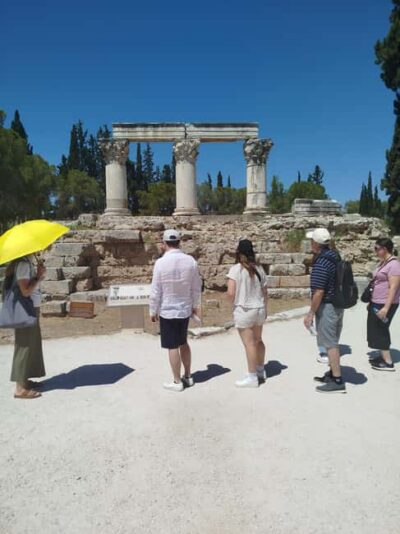
Ancient Corinth receives the most substantial stop, about one hour and fifteen minutes, followed by 30 minutes in the archaeological museum. This is the heart of the tour.
Corinth was one of the largest cities in ancient Greece, and its remains give you more to see than a single famous temple. You walk through the old city, where roads, public buildings, and religious monuments help make the place feel like a functioning urban center rather than a row of isolated ruins.
For Christian visitors, Corinth carries special weight because Paul’s work here appears in Acts, and the First and Second Corinthians address the church he served. You can place those letters against an actual city, its commercial wealth, its religious life, and its position between two seas.
The combined Ancient Corinth ticket includes the site and museum. The stated price is €8 in summer and €4 in winter. Elsewhere, the tour information gives a combined seasonal cost of €50 for the Acropolis and Ancient Corinth from April 1 through October 30, and €25 from November 1 through March 31. Since these figures do not match the individual site prices shown in the itinerary, confirm the current admission total before you go.
The museum deserves its own time. The 30-minute visit lets you see artifacts from Corinth and gives detail that the outdoor ruins cannot provide. Your driver does not accompany you as an archaeological guide, so an additional guide is worth considering if you want close explanation of the sculptures, architecture, and excavation layout.
More biblical and Apostle Paul tours in Athens:
- Biblical Tour Letters ToThe Corinthians St Paul’s Footsteps 6Hour
★ 5.0 · 1,065 reviews - Private Tour of Apostle Paul’s Footsteps in Ancient Corinth
★ 5.0 · 275 reviews - Paul”s Footsteps Ancient Corinth Biblical Tour
★ 5.0 · 184 reviews - Private Luxury Biblical Tour: Apostle Paul in Athens & Corinth
★ 5.0 · 162 reviews
Acrocorinth and the climb
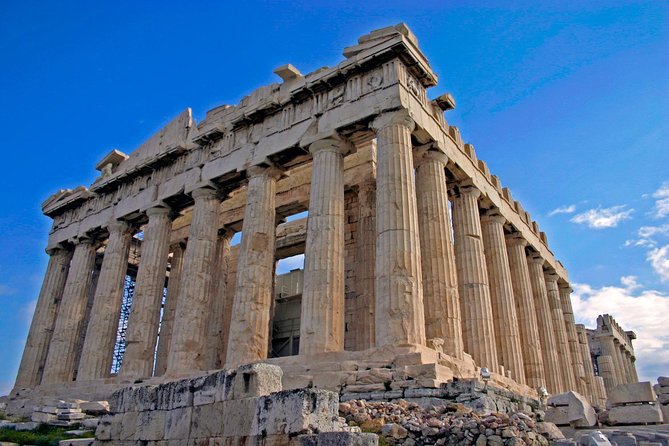
Acrocorinth is the high fortress above Ancient Corinth. The stop is listed at about 30 minutes, with admission extra, and the castle closes at 4 p.m.
The site contains architectural evidence from many invasions and offers broad views toward both the Corinthian and Saronic Gulfs. That combination makes it different from Ancient Corinth. Below, you study the remains of a city. Above, you see the defensive logic of the region.
This is the stop where timing and footwear matter most. The supplied schedule calls for only half an hour, so you will not have time for a leisurely exploration of every section. If the fortress is a priority, tell the driver when booking and start early. One visitor specifically enjoyed the hike toward the Temple of Aphrodite and the views from the higher ground, but the tour data does not promise a set hiking route or extended walking time.
Acrocorinth may be less suitable for anyone who wants to avoid uneven ground or uphill walking. The driver can get you close, but the site itself requires walking. Ask about the exact plan before departure if mobility is a concern.
The Diolkos, Corinth’s old overland shortcut
The Diolkos is a short 15-minute stop with no admission charge listed. It marks the ancient overland route across the isthmus, where ships and goods could be moved between the Corinthian and Saronic Gulfs.
That may sound strange to modern ears, but the route avoided the dangerous voyage around the Peloponnese. Cape Matapan and Cape Malea had a reputation for severe winds, while the two gulfs offered more sheltered water. The passage also created a shorter route toward Athens.
The Diolkos had a commercial role and may have been used during wartime to move lighter ships. Little is known about the full scale of its success, but its long period of use suggests that it mattered. The stop is quick, so use the drive commentary and any supplied maps or historical material to fill in the picture.
Returning to Athens for the Acropolis
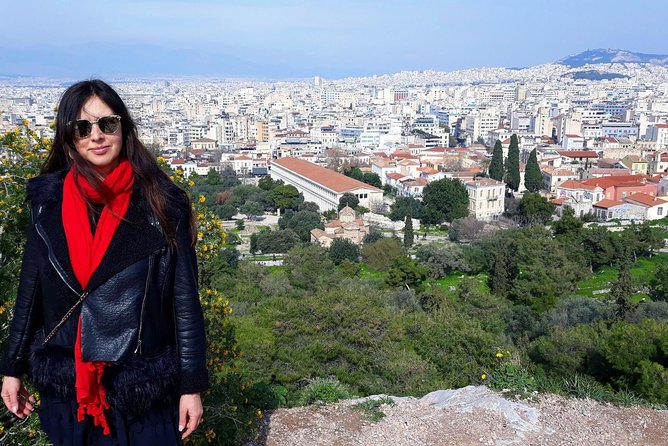
The drive back to Athens is listed at about one hour and 30 minutes by highway. This is when the private vehicle becomes especially useful. You can rest, ask questions, charge a phone, or listen to the historical audio material rather than manage another connection.
Several drivers have been praised for smooth driving, which matters on a long day. Jimmy was also described as providing cold water, a clean, cool van, and a stop for cappuccinos at a local coffee shop. Those are not guaranteed scheduled features, but they show the kind of personal flexibility the private arrangement can allow.
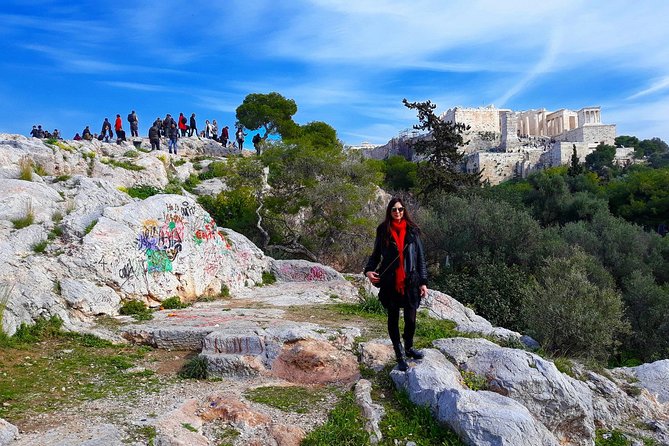
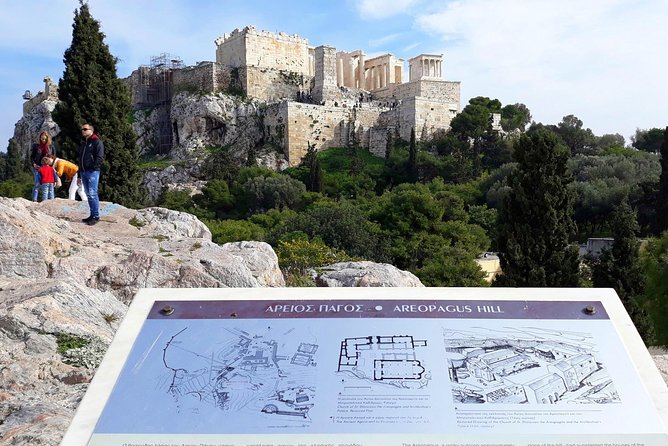
The Athens portion focuses on the Acropolis hill. The route includes the Theater of Dionysus, the Herodion, the Temple of Athena Nike, the Propylaea, the Erechtheion, and the Parthenon. The listed Acropolis visit is about one hour, with the main monuments receiving separate short viewing periods.
The Acropolis ticket includes the slopes, according to the admission details, and costs €15 from November 1 through March 31 or €30 from April 1 through October 30. The ticket also includes the Erechtheion and Parthenon temples as part of the hill visit.
Parthenon and Erechtheion
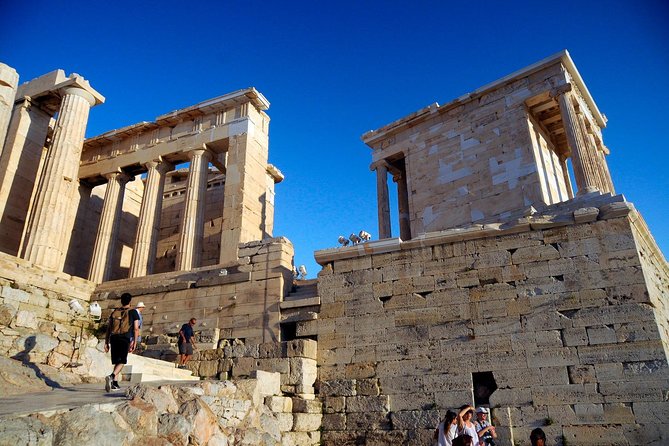
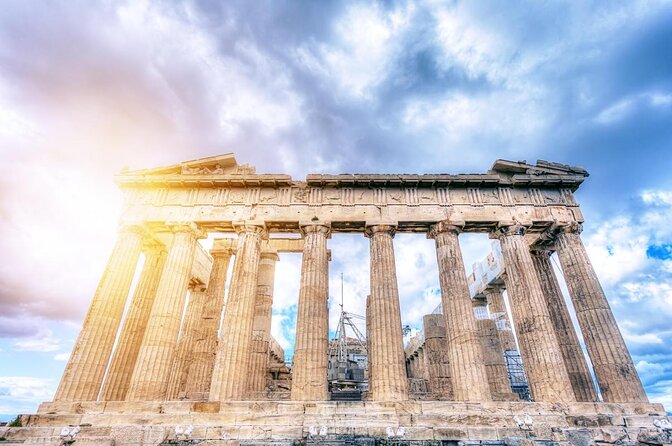
The Parthenon is the best-known building on the hill, dedicated by the Athenians to Athena Parthenos. It represents Athenian democracy at the height of its power and remains the main reason many people climb the Acropolis.
The planned 15-minute stop is enough to see the exterior, take photographs, and listen to a short explanation. It is not enough for a slow architectural study, especially if the hill is crowded or you want time at the other monuments.
The Erechtheion offers a different kind of interest. Its design honors Athena and Poseidon, and its porch is supported by six caryatids, sculpted female figures used as columns. The itinerary allows another 15 minutes here.
Keep your expectations realistic. The driver drops you near the sightseeing areas and provides background during the day, but does not walk you through the monuments as a licensed archaeological guide. If the Acropolis is your main reason for booking, pay for the additional guide or arrange a separate guided visit. If Corinth and Paul’s route are your main focus, the driver’s road commentary may be enough.
Vehicles, pickup, and group size
Pickup and drop-off are included for hotels and apartments within 7 kilometers of central Athens. The tour can also be arranged from Piraeus Port, but port pickup costs €25 each way per booking. Longer pickup locations incur an additional €15 each way, while airport, Piraeus, and Lavrio arrangements have separate charges.
Vehicle choices are practical:
- A sedan handles up to three adults, or a family of four with two children up to age 10.
- A minivan holds one to seven people, with two children up to age 10 included in the stated child arrangement.
- A minibus holds one to 14 people.
The private setup suits families and small groups who want flexibility. One family with children aged 15, 13, and 11 appreciated the relaxed pace, the clean van, and the driver’s ability to answer questions. The same arrangement also works well for cruise passengers, provided you allow enough time for the port pickup and return.
Luggage costs €10 per person extra. If you extend the day, the added hourly rate is €30 for a sedan, €45 for a minivan, and €60 for a minibus. Clarify any extension with the driver before the day gets underway.
Price, guide limits, and overall value
At $270.05 per person, this is not the cheapest way to reach Corinth. You are paying for a full private vehicle, a professional English-speaking driver, hotel transportation, fuel, tolls, parking, and flexibility across a long route.
The price makes more sense for a group sharing one vehicle. It is also useful if you want to combine Corinth and the Acropolis in one day, rather than spend time arranging separate transport. Group discounts and vehicle-based pricing may improve the value, so compare the final total for your party rather than judging the per-person figure alone.
Budget separately for admissions. The Acropolis and Ancient Corinth tickets are not included, and Acrocorinth also lists an extra admission charge. The tour data gives different ticket totals in different sections, so ask the provider to confirm the exact current amount and seasonal rules.
The strongest part of the service is personal attention from the driver. Jimmy, Christos, and Phillip are specifically praised for friendly service, smooth driving, useful explanations, and patience with questions. Phillip is described as especially focused on Paul and Greek history, while Christos was praised for giving helpful information without talking nonstop.
Who should book this experience?
Book it if you want biblical sites linked to Paul, prefer private transport, and want to combine Corinth with Athens in one demanding day. It is particularly useful for families, small groups, cruise passengers, and anyone who values hotel pickup over public transport.
You should also book it if you want to choose your own pace. You can spend more time at Ancient Corinth, shorten a stop, or ask for a coffee break, subject to the agreed schedule and any extra hourly charge.
Think twice if you want a full archaeological lecture at every site. The driver provides books, maps, audio historical material, and explanations while you travel, but the walk through the ruins and museums is self-guided unless you add an archaeologist. Also think twice if you dislike long car days or uphill walking at Acrocorinth.
The tour allows free cancellation up to 24 hours before the start time. Changes or cancellations inside that window are not accepted for a refund. Confirm pickup details, admissions, vehicle size, and guide arrangements before booking.
FAQ
How long is the Apostle Paul tour?
The experience is described as approximately nine hours, while the tour title refers to 10 hours. Confirm the expected return time with the provider when arranging your pickup.
Where does pickup take place?
Pickup and drop-off are offered at hotels or apartments in central Athens, generally within 7 kilometers of the city center. Another location may be possible by prior arrangement.
Can I start the tour from Piraeus Port?
Yes. Pickup and drop-off from the Piraeus cruise terminal are available for an additional €25 each way per booking.
Is the tour private?
Yes. Only your group participates in the private activity.
What vehicle can I book?
You can choose a sedan for up to three adults, a minivan for one to seven people, or a minibus for one to 14 people. The price varies by group size and vehicle type.
Is an archaeological guide included?
No. The English-speaking driver provides information during the journey, along with books, maps, and audio historical material. An archaeologist guide must be hired separately if you want guided walks inside the sites and museums.
Are entrance fees included?
No. The Acropolis and Ancient Corinth entrance fees are extra. Acrocorinth also lists admission as not included.
How much is the Acropolis ticket?
The listed price is €15 from November 1 through March 31 and €30 from April 1 through October 30. The ticket includes the Acropolis slopes, Parthenon, and Erechtheion.
Is Ancient Corinth open all year?
The tour provides separate winter and summer ticket prices for Ancient Corinth, but it does not state the exact opening hours. Confirm current hours before departure, especially if you want to visit Acrocorinth before its stated 4 p.m. closing time.
Can I cancel for a full refund?
Yes, if you cancel at least 24 hours before the experience begins. Cancellations or changes made less than 24 hours before the start time are not accepted for a refund.
Newly reviewed around Athens
- Athens: workshop for painting landscape with local artist★ 4.6 · 3 reviews
- Athens: Greek Wine & Olive Oil Tasting at Brettos Plaka★ 4.5 · 3 reviews
- Outdoor Yoga and Pilates with Akropolis view★ 4.0 · 5 reviews
- Acropolis of Athens: 60′ Tour in a Vintage Motorcycle★ 5.0 · 4 reviews
- Ultimate Tasting of the Volcanic Wines of Greece★ 5.0 · 3 reviews
- workshop for painting acropolis/landscape with local artist★ 5.0 · 3 reviews
- Athens at Twilight Night Tour with Drinks and Meze Dishes★ 4.8 · 4 reviews
- Breakfast in the markets with olive oil and honey tasting★ 4.8 · 8 reviews
Ancient Corinth Tours, compared.
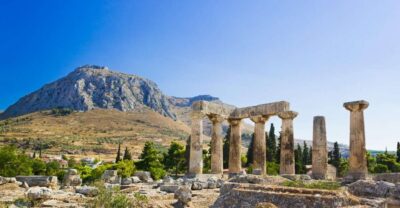
Ancient Corinth Day Trip with Canal & VR Guide
Read our review →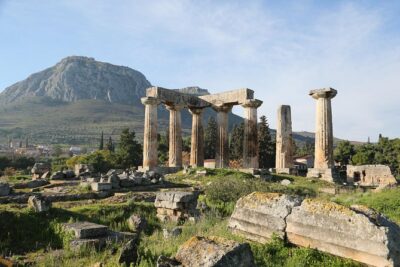
Private Biblical Tour Ancient Corinth & Isthmus Canal from Athens
Read our review →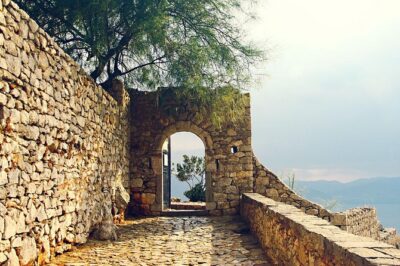
Ancient Corinth & Nafplio Full Day Trip with Swim
Read our review →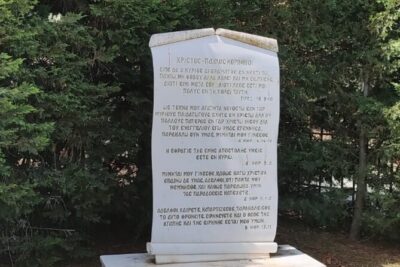
Private Tour of Apostle Paul’s Footsteps in Ancient Corinth
Read our review →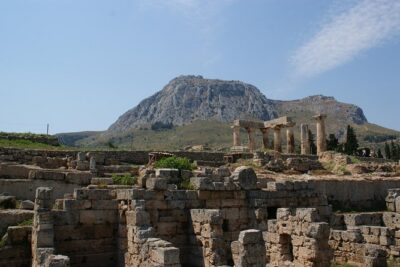
Corinth Half-Day Trip from Athens with Entrance Tickets
Read our review →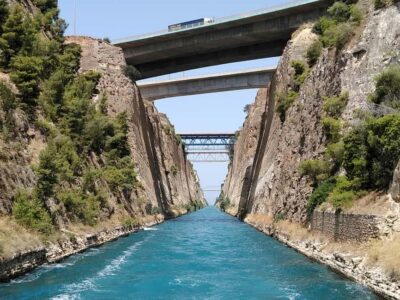
Browse the lists this tour appears in