
Reviewed · PELOPONNESE TOURS FROM ATHENS
PARADISIAL PELOPONNESE | Semi-Private 8-Day Guided Tour
The best thing about this tour is its small scale. With no more than six people in a private minivan, you can hear your archaeologist guide clearly at Mycenae, linger over lunch, and reach places a large coach cannot. Ancient sites such as Olympia and Epidaurus share the week with food, wine, castles, mountain towns, and the seaside.
I especially like the mix of major Greek ruins and less expected stops such as Ancient Messene, Monemvasia, and the Odontotos railway. I also like the strong food program, with a seafood cooking lesson in Nafplio, wine tasting in Nemea, and selected meals built into the price.
The main caution is cost and pace. At $4,624.74 per person, this is a premium tour, and several days involve long drives, walking over uneven archaeological ground, and a packed schedule. The nonrefundable booking policy also means you should be certain before paying.
Key points at a glance
- Smallest practical group: A maximum of six people makes the minivan, guide time, and meal stops feel personal rather than mass-market.
- Archaeology with context: A certified English-speaking archaeologist leads visits to the Acropolis, Mycenae, Olympia, Epidaurus, and Corinth.
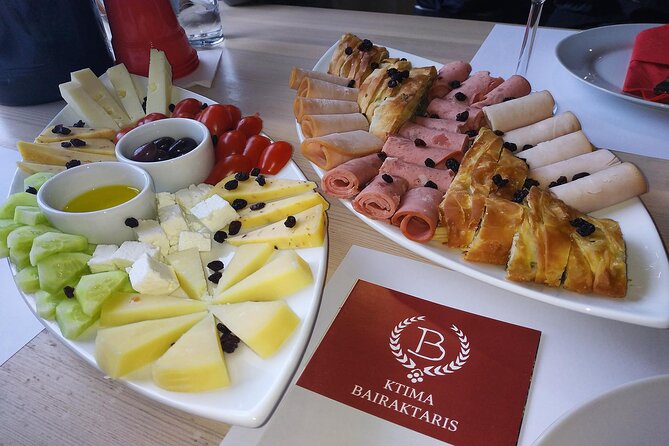
- Food is part of the trip: You get a seafood cooking lesson, wine tasting, included breakfasts, and selected lunches and dinners.
- More than ancient ruins: Medieval Monemvasia, Venetian Nafplio, Pylos, Sparta, Kalavryta, and the Vouraikos Gorge broaden the experience.
- Comfortable lodging: Seven nights are included in 4-5 star hotels, with overnight stays in places that add atmosphere to the route.
- Adults only: The minimum age is 16, making this a calm choice for adults who want history, meals, and conversation.
Why this small Peloponnese tour works
The Peloponnese is not a single sightseeing stop. It is a large peninsula filled with ancient cities, Byzantine and Venetian settlements, mountain villages, vineyards, beaches, and quiet roads. Seeing it well takes time and a sensible route.
This eight-day trip gives you that route without asking you to organize hotels, admission tickets, driving, and restaurant choices yourself. You start in Athens, cross the Corinth Canal, and then move through Nafplio, the eastern Peloponnese, the Mani area near Sparta and Monemvasia, the western coast, Olympia, the mountains, and Ancient Corinth.
The group size matters most at archaeological sites. A guide can speak to six people without shouting, and the group can keep moving when a site is hot or crowded. You also avoid the awkwardness of a large bus stopping at every attraction with dozens of people waiting for the same explanation.
The named guides associated with this experience include George, Babis, Aristotle, and Aristotle Koskinas, though your exact guide is not specified in advance. The strongest praise centers on the guides’ ability to explain Greek history clearly and tell the stories behind the stones. That matters here because many sites are extensive, and a short visit can otherwise become a walk among broken columns.
More Peloponnese trips from Athens:
- Athens: Peloponnese Highlights Day Trip and V.R. Audio Guide
★ 4.5 · 1,425 reviews - Argolis: Full-Day Tour in Mycenae & Nafplio
★ 4.2 · 350 reviews - PELOPONNESE HIGHLIGHTS PRIVATE: Corinth Mycenae Nafplio Epidaurus
★ 5.0 · 103 reviews
Athens begins with the Acropolis and a dinner view
Your first evening starts at the Royal Olympic Hotel in Athens at 8:00 pm, with a gourmet dinner and views toward the Acropolis. This is a pleasant way to begin, especially if you have arrived in Athens earlier and already have your bearings.
Day two gives Athens its main historical treatment. You spend about two hours on a guided Acropolis visit, then another two hours at the Acropolis Museum. The hill is the star, but the museum is where many scattered pieces begin to make sense. Its modern design and displays cover history reaching back to the sixth century BC.
The schedule also includes brief stops at the Herod Atticus Odeon, the Temple of Olympian Zeus, and the Panathenaic Stadium. These are viewing stops rather than long visits, so do not expect a full treatment of each one. The stadium, originally built in 338 BC, is especially useful as a quick reminder that Athens is not only about the Parthenon.
Wear sturdy shoes for the Acropolis. You will deal with stone surfaces, steps, and sun exposure. The tour requires a moderate fitness level, and the short stops later in the day will not erase the physical effort of the hill.
Crossing the Corinth Canal to elegant Nafplio
The Corinth Canal is a brief stop, but it helps explain the shape of the journey. The 6.3-kilometer waterway separates the Peloponnese from mainland Greece and links the Aegean and Ionian seas. You have about 15 minutes there, enough for photos and a quick look at the dramatic cut through the land.
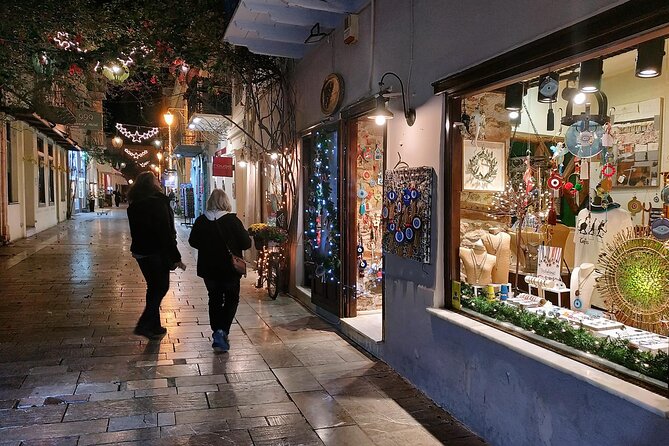
Nafplio is more than a hotel stop. It was Greece’s first capital and has graceful streets, Venetian architecture, and a harbor-facing setting. The itinerary gives you the evening here, including time to wander and watch the sunset over the Argolic Gulf.
The most distinctive activity is a seafood cooking presentation led by a local chef. You help prepare the meal, then eat what you made. I like this kind of lesson because it gives you something to do with local food instead of simply ordering another restaurant plate.
The first two days combine Athens monuments with a pleasant small city. The tradeoff is that the Athens day is full, and the transfer to Nafplio adds another layer of activity. Still, the overnight helps avoid turning the Peloponnese into a series of rushed day trips from Athens.
Epidaurus, Nemea, and wine with a myth attached
The Ancient Theatre of Epidaurus receives about two hours. It is famous for its acoustics and balanced design, and your guide can explain why the theatre mattered within the larger sanctuary. The site is not just a pretty auditorium. It reflects the Greek connection between healing, ritual, performance, and public life.
Nemea changes the mood from stones to vineyards. You taste Agiorgitiko wine, a local red connected with the story of Hercules and the Nemean Lion. The myth gives the wine a memorable label, but the useful part of the visit is tasting a regional variety in the place where it is made.
Ancient Nemea follows with another two-hour visit. You see the Doric Temple of Zeus and the Nemean Stadium, where you can run along the original track. That small invitation makes the site more physical and playful than a standard ruin visit.
This is a good day for anyone who likes history with a break in the middle. The wine tasting is a clear benefit, but alcohol is not included outside the tasting arrangement, so budget for drinks separately. Dietary needs, including vegetarian requests, should be given when you book.
A few more Athens tours worth putting side by side
- Best of Athens Half Day Private Tour
★ 5.0 · 3,714 reviews - Athens Full Day Private Tour
★ 5.0 · 2,903 reviews - Athens Airport Private Arrival Transfer with Meet & Greet
★ 4.5 · 1,495 reviews - Athens Airport to Athens Hotels Private Arrival Transfer
★ 5.0 · 947 reviews
Mycenae, Sparta, and the stone streets of Monemvasia
Mycenae is one of the essential stops in the Peloponnese. In about two hours, you see the Lion Gate, the remains of a civilization dating from roughly 1600 to 1100 BC, and the Treasury of Atreus, traditionally linked with Agamemnon. The site helps connect the Bronze Age world with the legends later recorded in Greek literature.
The ground is uneven, and the Treasury of Atreus requires walking below the main site. Bring water and shoes with grip. A guide is particularly useful here because the surviving walls can look stark until you understand the power and age of the settlement.
Sparta receives a shorter stop at the Monument of Leonidas. You should treat it as a brief historical pause rather than a full tour of ancient Sparta. The statue recalls the Spartan king and the famous stand at Thermopylae in 480 BC.
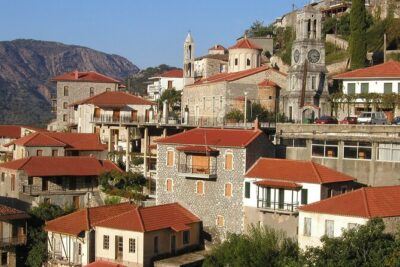
Monemvasia is the payoff for the day. This medieval castle town sits dramatically apart from the mainland, with stone lanes and preserved buildings inside its fortified setting. The overnight stay lets you experience its atmosphere after the quick photo-stop rhythm of many guided tours.
Expect some uphill walking and cobbled surfaces in Monemvasia. The setting is atmospheric, but it is not designed for easy rolling luggage or a perfectly flat stroll. Pack a small overnight bag if the operator handles larger luggage separately, though that specific arrangement is not stated, so confirm it before departure.
Ancient Messene and a quieter night in Pylos
Ancient Messene receives two hours and is one of the most rewarding archaeological stops for people who want more than the headline sites. You see a large theatre, stadium, fortification walls, and other remains spread through a peaceful valley surrounded by hills.
Unlike a single monument, Messene shows how a complete ancient city worked. The scale helps you picture streets, public life, defense, and entertainment. I like its place in the itinerary because it breaks up the better-known Athens, Mycenae, and Olympia sequence.
The route continues to Pylos, a seaside town with a long connection to Greek history. You spend the night there, which adds a slower coastal pause after the inland ruins. The information provided does not promise beach time or a particular harbor activity, so think of Pylos mainly as a scenic base for the following day.
This is one of the days when the private vehicle earns its keep. The distances across the peninsula are significant, and a private minivan lets the guide adjust stops and timing more easily than a large scheduled coach.
Niokastro and the Palace of Nestor
The New Castle of Pylos, also called Niokastro, is a fortress that guarded the bay for centuries. You have two hours to explore it, giving the site enough time to feel like more than a quick photograph.
The Palace of Nestor offers a different window into the past. This Mycenaean palace includes a megaron hall, storerooms, and tablets connected with Linear B, an early form of Greek writing. The countryside views add pleasure, but the palace is valuable mainly because it makes Bronze Age administration and daily life easier to understand.
The two sites work well together. Niokastro shows later military control of the bay, while Nestor takes you back to the Mycenaean world. A guide such as Aristotle or Babis can help keep those periods distinct, which is useful when several thousand years of Greek history begin to blend together.
Olympia, trout streams, and a mountain night in Kalavryta
Ancient Olympia gets the longest archaeological visit, about three hours. You walk through the sanctuary and stadium where athletes competed more than 2,000 years ago. The site also recalls the colossal Statue of Zeus, once one of the Seven Wonders of the Ancient World.
Olympia can feel overwhelming if you try to identify every ruin on your own. This is another place where an archaeologist guide adds real value. You can focus on the relationship between temples, athletic spaces, and religious life instead of simply collecting photographs.
After Olympia, the trip turns north toward Planitero. The itinerary includes trout fishing and a walk beside calm rivers. This is a welcome change from ancient stones, though the exact fishing arrangements are not specified. You should ask the operator whether equipment, instruction, or a meal is included if that activity is important to you.
Kalavryta is the overnight stop, surrounded by mountain scenery. It can look very different by season, with snow in winter and green surroundings in spring. The road and the changing altitude give the day a strong contrast with the coastal and lowland portions of the trip.
Kalavryta’s difficult past and the Odontotos railway
The Municipal Museum of the Kalavryta Holocaust takes about an hour. It deals with the area’s World War II history and adds a serious modern chapter to a trip otherwise focused heavily on antiquity.
Allow yourself time to process this stop. It is not a light sightseeing visit, but it gives Kalavryta emotional and historical depth that a mountain view alone cannot provide.
The Odontotos Rack Railway follows with a one-hour ride through the Vouraikos Gorge. This historic railway is a 19th-century engineering project, and the route provides a change from walking through museums and ruins. It is one of the itinerary’s most unusual inclusions.
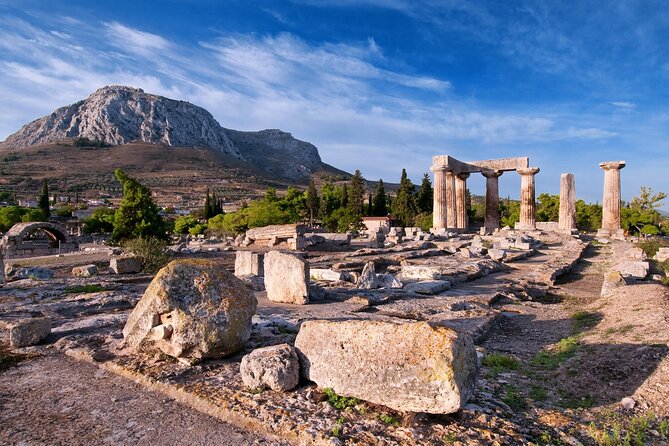
The day ends at Ancient Corinth, where two hours cover the Temple of Apollo, the Agora, and other remains. Corinth is also a useful final site because it brings the journey back toward Athens and links the ancient city to the same canal region crossed earlier in the week.
What the $4,624.74 price really covers
This is expensive, but the comparison should be with a private eight-day package, not with an inexpensive bus excursion. The price includes seven nights in 4-5 star hotels, a private minivan, a certified English-speaking archaeologist, private touring, travel insurance, the wine tasting, the cooking lesson, admissions listed in the itinerary, and the stated breakfasts, lunches, and dinners.
The meal wording deserves attention. Seven breakfasts are listed, with five lunches and three dinners marked as optional items within the included section. Ask the operator exactly which meals are included on your departure and which are available as optional additions. Alcoholic drinks are not included.
You are also paying for planning. The route includes hotels in Nafplio, Monemvasia, Pylos, and Kalavryta, rather than using one base and repeating long drives. The price may make sense for a couple or small group that values comfort, private transport, expert interpretation, and less decision-making.
It is a weaker value if you prefer to choose your own inexpensive hotels, travel by public bus, or spend several days in one place. The group discount may improve the per-person cost for a full party, but no exact discount is provided.
Who should book this experience
I would choose this tour if you want Greek antiquity explained properly but also care about food, wine, small towns, and comfortable hotels. It suits adults, couples, friends, and families with older teenagers, provided everyone is at least 16 and can manage moderate walking.
It is also a good choice for a first visit to the Peloponnese. You get a broad introduction without having to drive unfamiliar roads or work out the order of distant sites yourself.
I would hesitate if you dislike moving hotels, long driving days, or uneven ground. This is a full regional tour, not a slow holiday at the beach. Read the nonrefundable cancellation terms carefully before booking, and confirm dietary needs in advance.
FAQ
How long is the Paradisial Peloponnese tour?
The tour lasts approximately eight days and includes seven nights in hotels.
Where does the tour start?
It starts at the Royal Olympic Hotel, Athanasiou Diakou 28, Athens 117 43, Greece.
What time does the tour start?
The stated start time is 8:00 pm.
Where does the tour finish?
The activity ends back at the meeting point.
How many people can join the tour?
The maximum group size is six people.
Is there a minimum number of people required to book?
Yes. A minimum of two people per booking is required.
What is the minimum age?
The minimum age is 16.
Are hotels included?
Yes. Seven nights in 4-5 star hotels are included.
Is food included?
The package includes the listed breakfast, lunch, and dinner arrangements, plus a wine tasting and cooking lesson. The meal details identify seven breakfasts, five lunches, and three dinners as optional items, so confirm the exact meal plan before paying. Alcoholic beverages are not included.
What fitness level is needed?
A moderate fitness level is recommended. You should be comfortable with walking at archaeological sites, uneven ground, steps, and the Acropolis.
Should you book it?
Book this tour if you want a polished, adults-only journey through the Peloponnese with a very small group and a guide who can put ancient sites into context. The strongest reasons are the mix of major ruins and lesser-known places, the private minivan, the varied hotels, and the food experiences in Nafplio and Nemea.
Skip it if the price is beyond your comfort level or if you want an unhurried stay in one location. Before committing, confirm the exact guide, hotel names, meal inclusions, dietary arrangements, and any group discount. For the right kind of history-minded traveler, this is a well-rounded way to see far more than Athens while still sleeping comfortably each night.
Newly reviewed around Athens
- Athens: workshop for painting landscape with local artist★ 4.6 · 3 reviews
- Athens: Greek Wine & Olive Oil Tasting at Brettos Plaka★ 4.5 · 3 reviews
- Outdoor Yoga and Pilates with Akropolis view★ 4.0 · 5 reviews
- Acropolis of Athens: 60′ Tour in a Vintage Motorcycle★ 5.0 · 4 reviews
- Ultimate Tasting of the Volcanic Wines of Greece★ 5.0 · 3 reviews
- workshop for painting acropolis/landscape with local artist★ 5.0 · 3 reviews
- Athens at Twilight Night Tour with Drinks and Meze Dishes★ 4.8 · 4 reviews
- Breakfast in the markets with olive oil and honey tasting★ 4.8 · 8 reviews
Peloponnese Tours from Athens, compared.
Peloponnese Highlights Day Trip and V.R. Audio Guide
Read our review →
PELOPONNESE HIGHLIGHTS PRIVATE: Corinth Mycenae Nafplio Epidaurus
Read our review →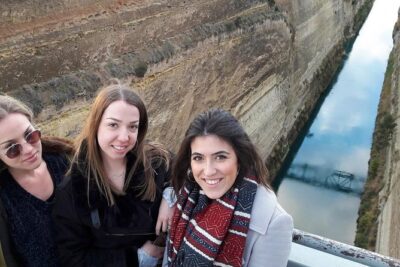
Ancient Sparta Ancient Corinth Private Tour from Athens/ Nafplio
Read our review →
Day tour to Ancient Olympia,Ancient Sparta Mycenae Including Meal
Read our review →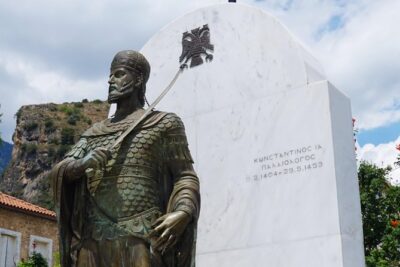
Ancient Sparta & Mystras Private Day Tour from Athens
Read our review →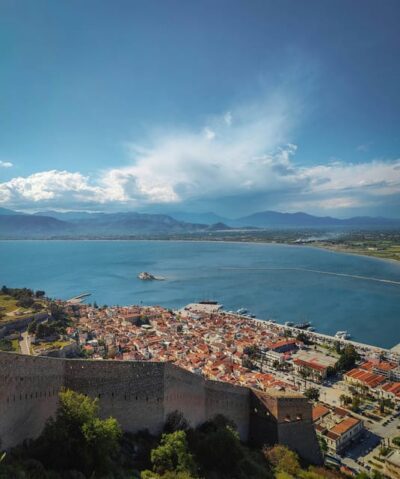
5-Day Best of Peloponnese Private Tour: Nafplio/Olympia/Mycenae/Epidaurus/more
Read our review →Browse the lists this tour appears in