
Reviewed · ATHENS CRAFT WORKSHOPS
Marble Carving Workshop: Create Your own Symbol of Strength
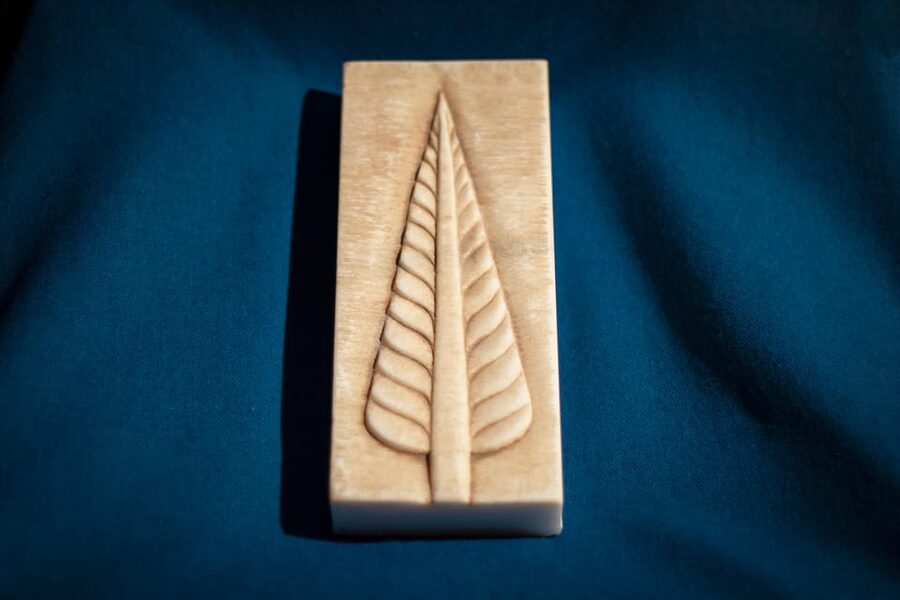
You do not just look at marble sculpture here. You pick up the same type of hand tools used in ancient Greek carving and work a personal symbol into a piece of stone. I especially like the small group size, limited to four people, and the fact that you take home an original piece rather than a shop-bought souvenir.
I also like the thoughtful introduction to symbols in stone, including examples such as Cycladic idols. The main consideration is physical: carving takes effort, creates dust, and may keep you standing for close to two hours. Beginners are welcome, but a detailed design can make the work much harder than it first appears.
Key Points Before You Book
- Ancient-style hand tools: Learn how traditional tools shape, engrave, and shade marble.
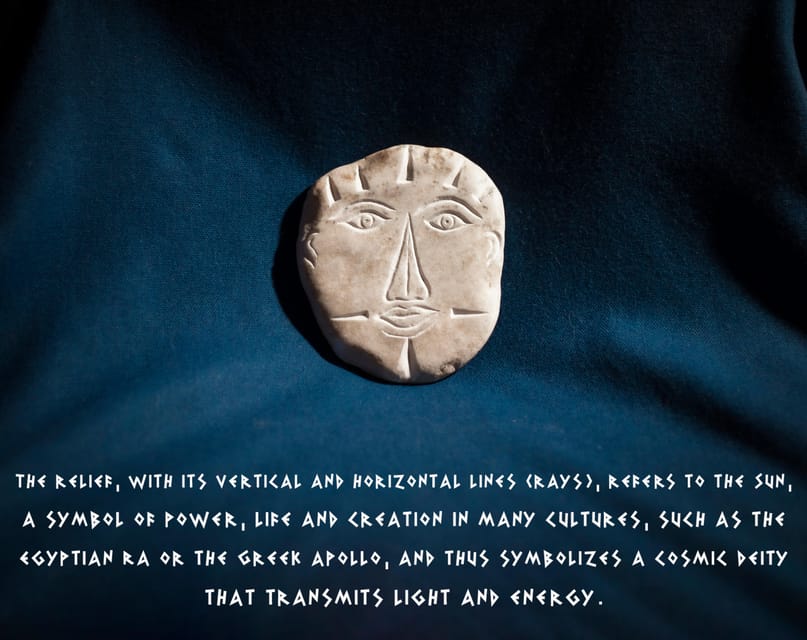
- A personal symbol to take home: Sketch and carve your own strength-relief, then sign it.
- Very small groups: Sessions are limited to four people, allowing close help with design and technique.
- A strong art and history setting: MarbleArt is both a workshop and a boutique museum with works by local artists.
- Guidance for first-timers: Dimitrius and the team help you from the first sketch through the final color treatment.
- Plan for physical work: Wear comfortable clothes, expect dust, and keep your design simple if this is your first carving session.
Why This Athens Workshop Feels Different
Athens gives you plenty of chances to admire marble. At the Acropolis, museums, cemeteries, churches, and city streets, you see the finished product. This workshop lets you consider the less glamorous part: how a hard block of stone becomes a figure, pattern, letter, or symbol through patience and repeated hand movements.
That shift matters. After spending 135 minutes holding a tool against marble, you will likely look at ancient sculpture with a more practical eye. You begin to notice the depth of an engraved line, the way a relief catches light, and how much labor went into details that seem effortless from behind a museum barrier.
MarbleArt Athens presents the activity as an artistic and cultural session rather than a basic craft class. You are not simply copying a preselected shape. You discuss the meaning of personal symbols, sketch your own idea, transfer it to marble, and decide how much detail you can realistically handle.
The setting adds to the experience. MarbleArt is a small museum devoted to marble sculpture and traditional stone carving, with works by local artists made using Greek hand tools. You are surrounded by actual examples while you work, not just photographs on a classroom wall.
More hands-on workshops in Athens:
- Athens: Make your own Leather Sandals Workshop
★ 5.0 · 105 reviews - Athens: Create Your Own Mosaic 3h Private Art Class
★ 5.0 · 62 reviews - Create and paint your own ceramic piece in a workshop in Athens
★ 5.0 · 58 reviews
The Opening: Marble, Stone, and Human Symbols
The session starts with background on marble and stone carving in ancient Greece. You learn about marble as a material and look at the structure of rocks, crystals, and possible additions such as metals or fossils.
This opening section gives the workshop a useful foundation. Marble is not just a smooth white surface. It is a natural material with its own structure, texture, and limits. Understanding that helps you see why one section cuts cleanly while another may resist your tool.
The discussion then moves toward the human habit of placing meaning into stone. Cycladic idols provide one example of how a simple carved form can carry a strong personal, religious, or cultural idea.
You are encouraged to think about your own symbol of strength before touching the tools. That is a good choice. If you start carving without a clear plan, it is easy to create a design that is too ambitious for the time and your experience.
I would arrive with a simple idea. A heart, initial, geometric mark, animal outline, or uncomplicated emblem gives you room to learn the technique. Fine internal patterns may look attractive on paper but can become difficult once you are working by hand.
Learning the Tools Before the Marble
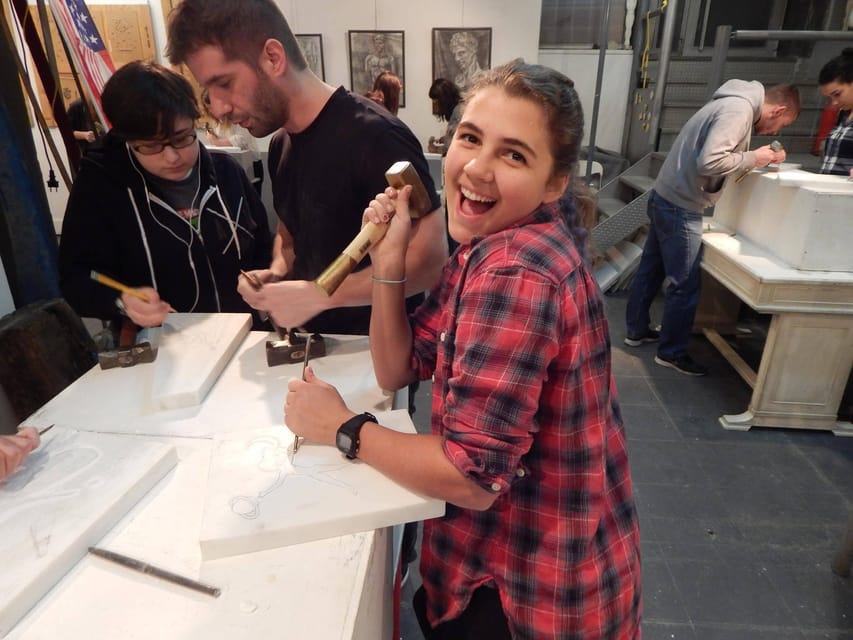
The instructors introduce the hand tools and show you how to use them for engraving. The aim is not to rush you into making a finished sculpture. You first need to understand pressure, direction, control, and the difference between scratching a surface and removing enough material to create visible depth.
The technique follows the basic logic of ancient Greek relief work. Your design is formed through engraving and shallow relief, with different depths used to create light and shadow. It is a modest piece, but the process gives you a real sense of how sculptural form develops.
The tools require physical effort. You may need to tap, press, or guide them repeatedly across the marble. This is not a digital art class, and it is not a quick paint-and-take-home activity. Your hands do the work.
That is also why the teaching matters so much. The instructors provide help with each step, but they do not simply take over and finish the piece for you. The best balance is to let you make the decisions while accepting practical corrections when your line, angle, or pressure needs adjusting.
Dimitrius is identified as a teacher of marble sculpture at the University of Fine Arts, and the workshop also includes a guide with a PhD in philosophy and art of ancient Greece. Dimitri and Jimmy are among the instructors associated with the sessions. The mix of art instruction and historical context gives the class more weight than a short souvenir-making stop.
Designing and Transferring Your Symbol
Once you understand the basic tools, you draw your symbol on paper. The instructors help you simplify the idea and transfer it to the marble surface.
This is where the experience becomes personal. Your finished piece does not need to be a perfect replica of an ancient statue. It is a small relief shaped by your own idea, hand control, and interpretation of strength.
Keep the drawing clear. A bold outline is easier to carve than a complicated image with tiny sections packed inside one another. One participant found that a large heart was manageable, while a detailed design inside the heart made the carving much harder. That is useful advice for anyone who tends to over-plan.
You may also want to think about the size of your signature. One stage of the workshop involves engraving letters for the creator’s signature. This small detail makes the work feel like an object made by you, rather than an exercise completed in a class.
The instructors are there to help you make something you will actually want to keep. They can guide the outline and technique, but the design remains your decision. That balance is important for couples, families, and friends who want to create different pieces rather than produce identical souvenirs.
A different kind of day out from Athens:
- Athens: Acropolis & up to 5 Archaeological Sites Combo Pass
★ 4.4 · 12,619 reviews - Athens: Acropolis Ticket with Optional Audio or Live Guide
★ 4.2 · 11,055 reviews - Athens: Acropolis, Parthenon & Acropolis Museum Guided Tour
★ 4.8 · 9,316 reviews - Athens: Cape Sounion & Poseidon Temple Sunset Half-Day Trip
★ 4.8 · 8,241 reviews
Carving in Relief: The Main Event
The central part of the workshop is the carving itself. You deepen lines and remove areas of marble so that the design gains shape, shadow, and contrast.
This is the part that takes patience. Marble carving can look easy when a skilled sculptor does it, but controlling a hand tool over a hard surface is a different matter. You need to work steadily and accept that the material will not always respond exactly as expected.
The small group limit makes a real difference here. With no more than four people, the instructors can watch your progress and step in when you need help. The session has the feel of a private studio rather than a crowded class.
You should expect to make a few imperfect marks. That is part of the point. The finished relief records your decisions and your learning. It does not need museum-level precision to have meaning.
The workshop team may allow extra time if you are still finishing your carving. That flexibility is especially useful for beginners and for anyone who chooses a design with several levels or fine lines. Still, the stated duration is 135 minutes, so do not plan an elaborate figure and assume you can complete it without pressure.
Adding Color and Taking Your Work Home
After carving, you can add color to the marble surface to create a patina-like effect. This gives the relief more visual depth and helps the engraved areas read clearly.
The final steps include signing the work and preparing it to take home. Your marble piece is included in the price, along with the materials used to create it. That makes the finished object more than a token from a gift shop. It carries the design you chose and the marks made during the process.
Think ahead about packing. The information provided does not specify the size or weight of the finished piece, so you should ask the workshop team if you are concerned about luggage space or transport. The fact that it is marble means you will want to protect it carefully on the way home.
You are also encouraged to bring a camera. The workshop itself, the tools, the marble, and the finished relief all offer good subjects for photographs. Smoking is not allowed.
The Museum Setting and Optional Walk
MarbleArt functions as a local boutique museum as well as a working studio. Its collection includes authentic works by local artists made with traditional Greek hand tools.
That setting helps connect your small project to the wider tradition. You see how a simple engraved line can become part of a larger composition, and you have examples around you while making design choices.
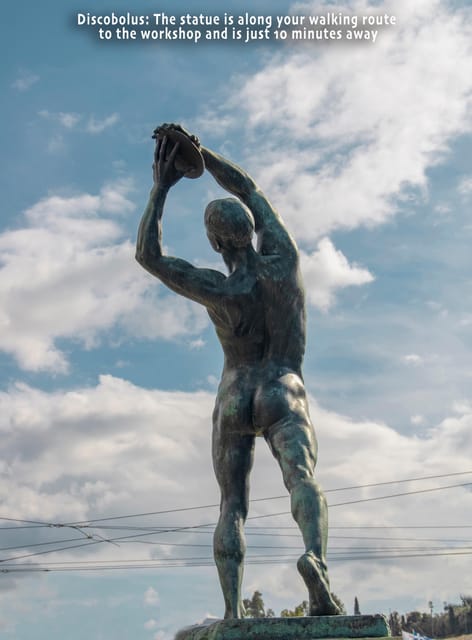
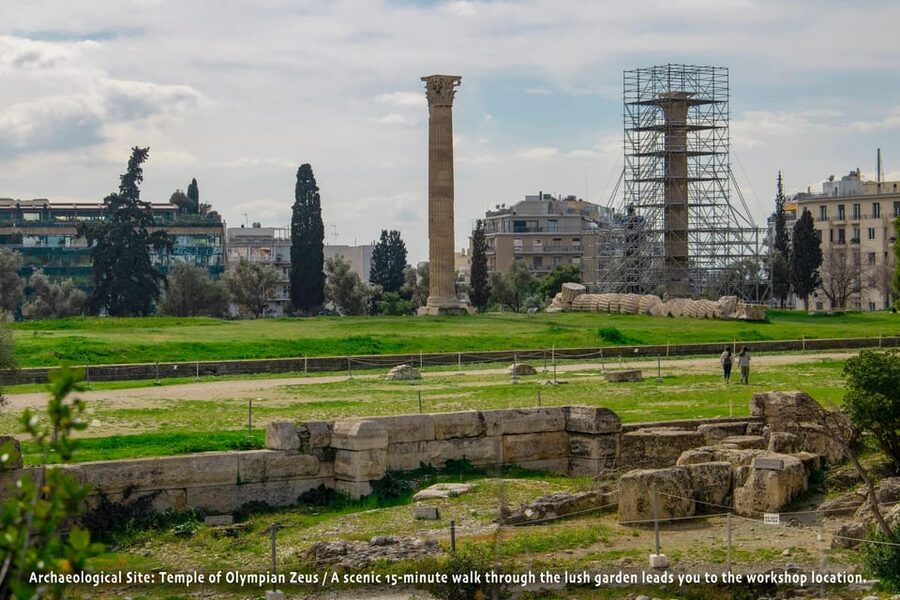
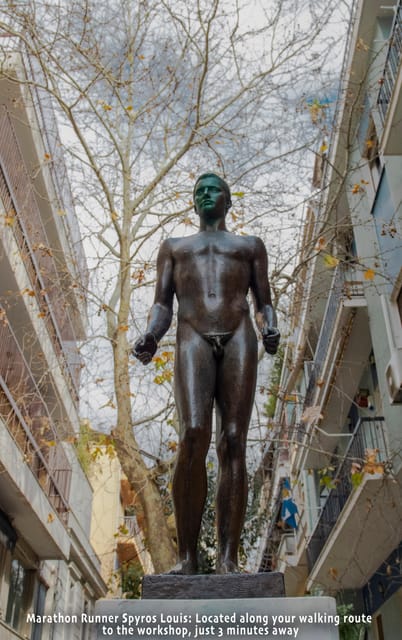
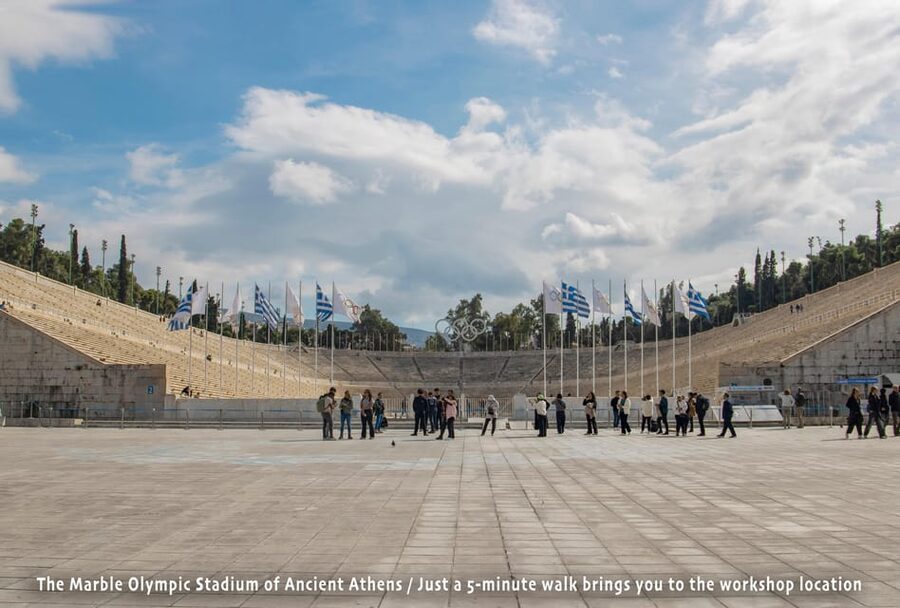
Those who want to continue the art theme can walk with the team to see and photograph sculptures in the historic center of Athens. This is optional, and transportation to the workshop is not included.
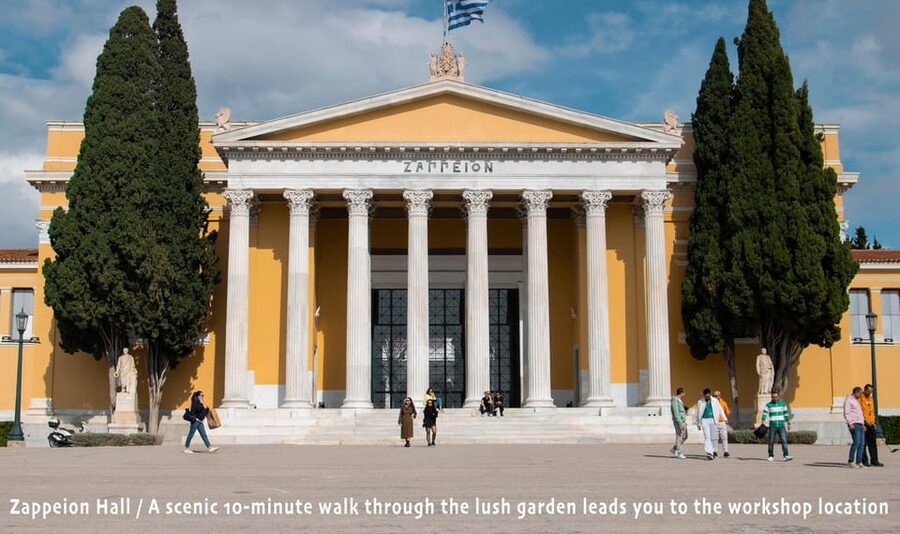
The location is described as the historic center of Athens, although the activity is also categorized under Central Greece. Check the meeting details carefully before setting out. One practical issue raised by a participant was that the workshop location could be easier to identify for visitors who do not read Greek, so allow time to find it.
Is $88 a Fair Price?
At $88 per person, this is not the cheapest Athens activity. You can visit museums and archaeological sites for less, and you can buy a marble souvenir without spending nearly two and a quarter hours making it.
The value comes from the combination of instruction, materials, a museum setting, and a personal piece to take home. You are paying for direct guidance from art specialists, a group of no more than four, and access to a traditional process that is difficult to experience casually.
The small group is particularly important. A larger class would make it harder for an instructor to help with your design and tool handling. Here, personal attention is part of what you are buying.
I would consider the price fair if you want an activity that adds depth to your sightseeing rather than another quick photo stop. It is less compelling if you mainly want a polished souvenir with no visible imperfections or if you have limited time in Athens.
The high rating of 4.8 from 26 ratings supports the idea that the experience delivers what it promises. More important for your decision is the repeated praise for patient teaching, friendly staff, and the chance to keep the finished carving.
Who Should Book This Experience?
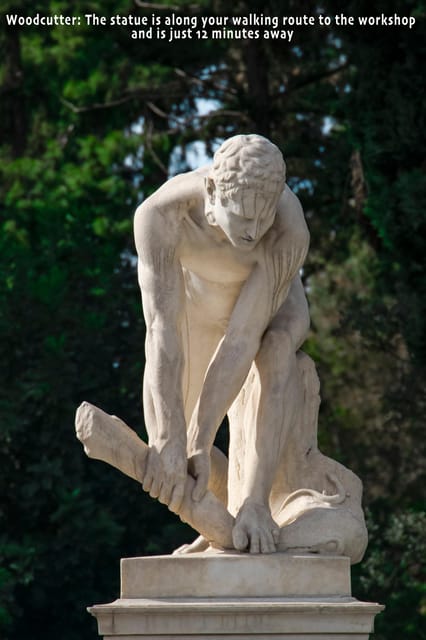
This workshop suits you if you enjoy making things, like learning through your hands, or want a quieter alternative to a standard Athens tour. It also works well for couples, families, and small groups of friends because each person can create a different symbol.
Teenagers may enjoy it because the activity has a clear result and involves real tools. One family included two teenage boys who both had a good time, which is useful if your group contains young people who are not excited by another museum visit.
You do not need previous art experience. The program is designed for beginners, and the instructors guide you through drawing, transferring, engraving, signing, and coloring.
It may be a poor fit if you need wheelchair access, since the activity is not suitable for wheelchair users. It is also not ideal if standing, dust, or repeated hand effort will cause discomfort. Bring comfortable clothing, and consider bringing a mask. Goggles are provided, but extra protection from dust may be useful.
Practical Details for Planning Your Visit
The session lasts 135 minutes, with starting times depending on availability. That is enough time for the introduction, design work, carving, finishing, and questions, but you should not treat it as an open-ended studio day.
The instructors speak English and Greek. Transport is not included, so you need to make your own way to the Athens workshop.
You can cancel up to 24 hours before the session for a full refund, and the reserve-now, pay-later option gives you some flexibility while arranging your schedule.
Wear clothes you can comfortably work in. Marble dust and physical effort are part of the activity. Bring a camera, keep your design relatively simple, and leave enough space in your luggage for a handmade stone object.
Should You Book MarbleArt Athens?
Book it if you want to connect with ancient Greek art by doing something rather than simply looking at it. The strongest parts are the small group, the patient guidance, the traditional tools, and the personal relief you take home.
I would especially recommend it for first-time visitors who want one creative activity among their archaeological visits. It also makes a thoughtful choice for families and couples, since the finished pieces preserve individual ideas instead of producing identical souvenirs.
Skip it if your schedule is packed, you dislike hands-on work, or you need a fully accessible activity. For everyone else, $88 buys a focused lesson in Greek marble carving and a meaningful reminder of Athens, with a few dusty fingerprints of your own left in the story.
FAQ
Where does the marble carving workshop take place?
The workshop takes place at MarbleArt Athens, a boutique museum and studio in the historic center of Athens, Greece.
How long does the activity last?
The workshop lasts 135 minutes. Starting times depend on availability.
Is the workshop suitable for beginners?
Yes. The program is designed to welcome beginners, and instructors guide you through the design, tool use, engraving, relief carving, signature, and coloring stages.
How many people are in each group?
Each session is offered to small groups of up to four people.
What is included in the $88 price?
The price includes the marble carving workshop, traditional hand tools, sculpture materials, and your personal marble project to take home.
What languages are spoken?
The instructors speak English and Greek.
Is the workshop accessible for wheelchair users?
No. The activity is not suitable for wheelchair users.
Newly reviewed around Athens
- Athens: workshop for painting landscape with local artist★ 4.6 · 3 reviews
- Athens: Greek Wine & Olive Oil Tasting at Brettos Plaka★ 4.5 · 3 reviews
- Outdoor Yoga and Pilates with Akropolis view★ 4.0 · 5 reviews
- Acropolis of Athens: 60′ Tour in a Vintage Motorcycle★ 5.0 · 4 reviews
- Ultimate Tasting of the Volcanic Wines of Greece★ 5.0 · 3 reviews
- workshop for painting acropolis/landscape with local artist★ 5.0 · 3 reviews
- Athens at Twilight Night Tour with Drinks and Meze Dishes★ 4.8 · 4 reviews
- Breakfast in the markets with olive oil and honey tasting★ 4.8 · 8 reviews
Athens Craft Workshops, compared.

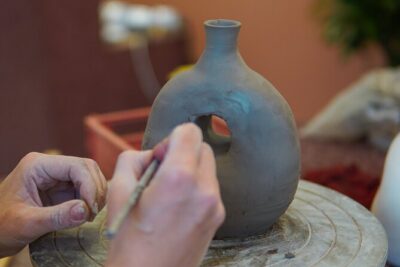
Create and paint your own ceramic piece in a workshop in Athens
Read our review →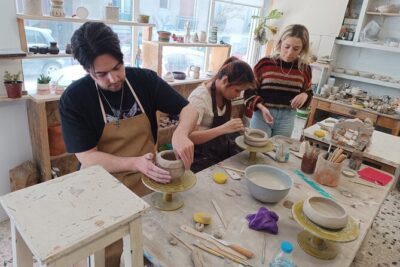
Ceramic and Pottery Creative Workshop with Two Local Artists
Read our review →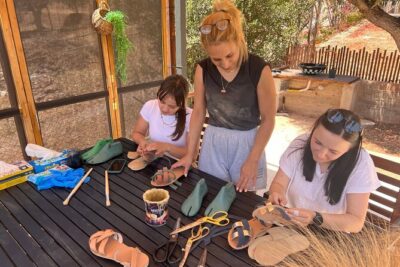
Athens Make Your Own Greek Leather Sandals Workshop
Read our review →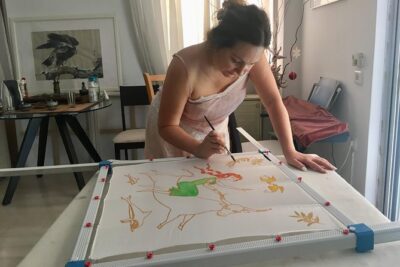
Small Group Silk Scarf Art Workshop with Greek Themes
Read our review →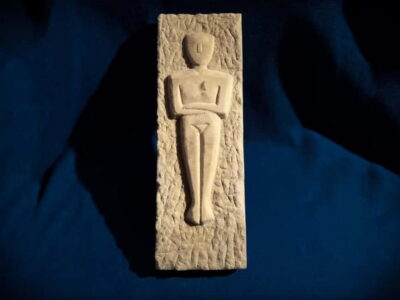
Marble Carving Workshop and Cultural Tour – Cycladic Art
Read our review →
Athens Loom Weaving Workshop: Create Your Own Masterpiece
Read our review →Browse the lists this tour appears in