
Reviewed · TICKETS
Herakleidon Museum of Ancient Greek Technology: Entry Ticket
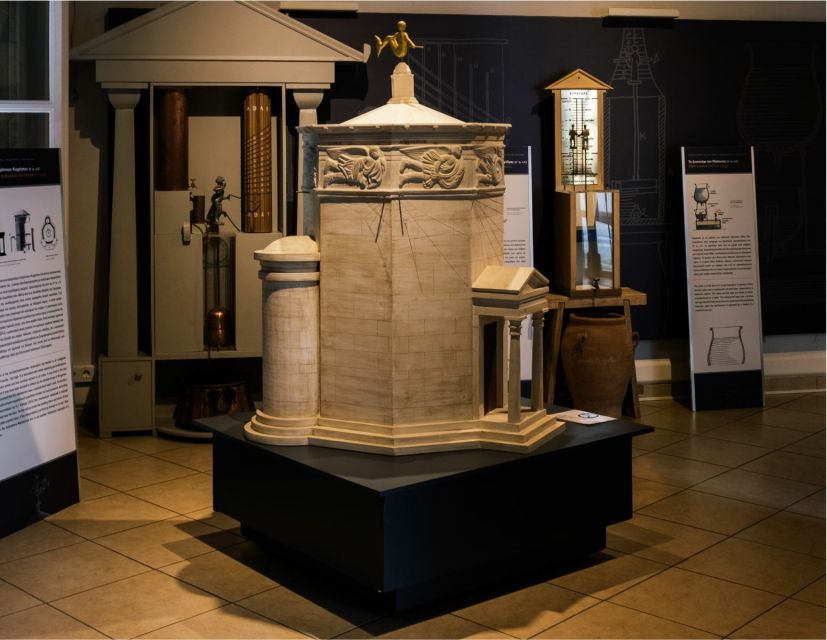
The most surprising thing here is how practical Ancient Greek invention becomes. At the Herakleidon Museum, you are not simply looking at old objects behind glass. You are following the ideas behind machines, calculations, military tools, and structures that show how science worked in antiquity.
I like the focus on the Antikythera Mechanism, often called the world’s first computer, and I like that the museum connects science with art and mathematics instead of treating technology as a pile of isolated artifacts. The $8 admission is modest, too. The main caution is that this is a self-guided museum visit, so you should not expect a tour leader to explain every display or provide hotel pickup.
Key points to know before you go
- The Antikythera Mechanism is the headline subject: Learn about an ancient device built to work with complex astronomical data.
- Two buildings form the visit: Redeem your ticket at 16 Herakleidon Street, then walk about 150 meters to the second site at 37 Ap. Pavlou Street.
- Ancient warfare gets attention: Displays show technology linked to Greek war techniques, adding a practical side to the museum’s science theme.
- The museum joins science, art, and mathematics: The displays aim to make difficult ideas easier to follow.
- This is a self-guided admission: A guided tour and hotel transfer are not included.
- The location works well with an Acropolis day: The museum is in Thisseio, near the main entrance to the Acropolis and within walking distance of the Thisseio Metro station.
Why Ancient Greek technology makes a good museum subject
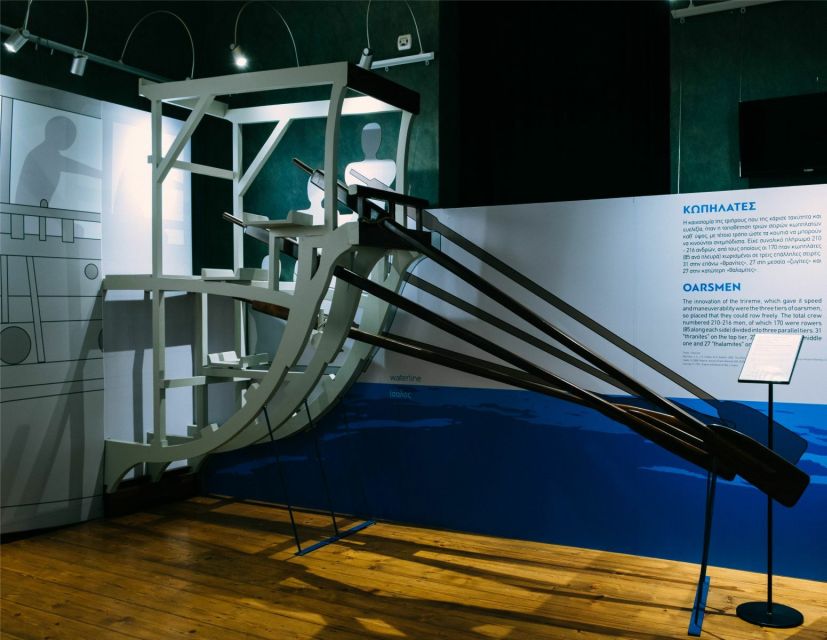
Many visitors come to Greece expecting temples, statues, and painted pottery. Those matter, but the Herakleidon Museum takes a different route. It asks how Ancient Greeks measured, calculated, built, and designed machines.
That change of focus is useful. You begin to see antiquity not only as a period of artistic achievement, but also as a time of serious technical work. The museum’s central idea is built around science, art, and mathematics, three subjects that often appear together in the objects and structures of the ancient world.
I find this approach especially helpful if you are traveling with a child, a teenager, or anyone who prefers a clear problem to solve. Instead of only asking what an object is, you can think about what it was designed to do and what kind of knowledge made it possible.
The museum also has an educational purpose. Its programs were created for students, teachers, and adults, with the goal of encouraging research and independent thought. That does not mean every visitor needs to attend a formal program. It does mean the displays are intended to explain ideas, not merely decorate a room with old things.
More museums and ancient sites in Athens:
- Athens: Acropolis, Parthenon & Acropolis Museum Guided Tour
★ 4.8 · 9,316 reviews - Athens: Mythology of Delphi, Museum and Arachova Guided Tour
★ 4.6 · 4,008 reviews - Athens: Acropolis, Parthenon & Acropolis Museum Guided Tour
★ 4.8 · 3,579 reviews
The Antikythera Mechanism and the museum’s biggest idea
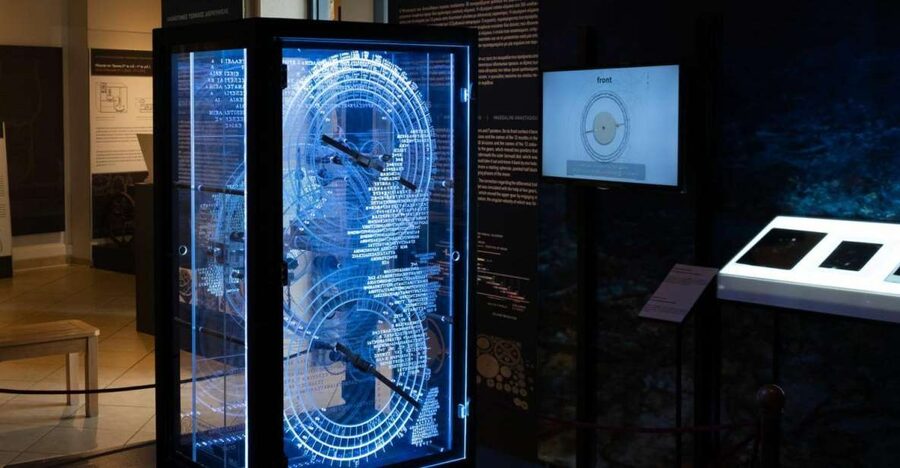
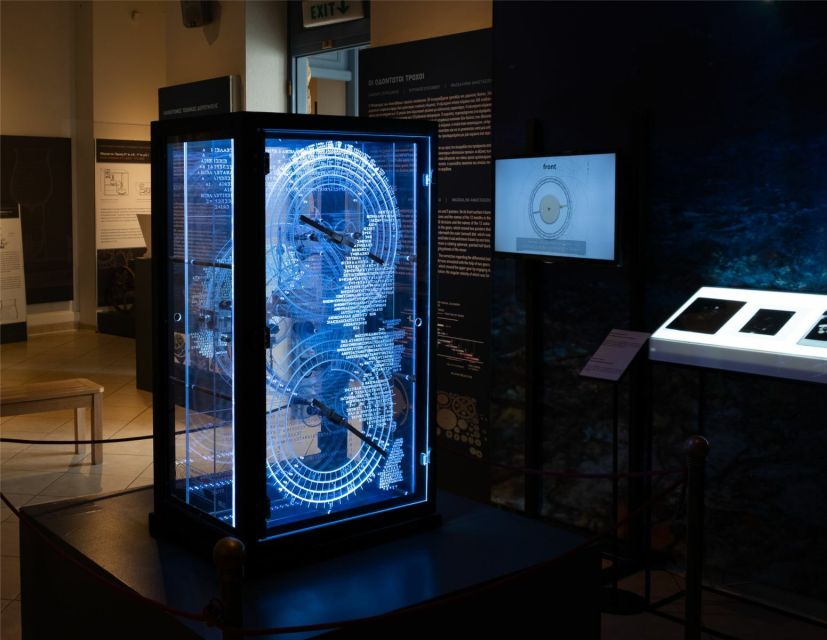
The Antikythera Mechanism is the natural centerpiece for anyone interested in ancient engineering. It is described as the world’s first computer, a phrase that gives you a quick sense of why the object matters.
The point is not that it resembles a modern laptop. The point is that it used a sophisticated system to calculate and organize data. Seeing the mechanism in the setting of this museum lets you consider the planning behind it: mathematical skill, careful construction, and a clear understanding of the information the device was meant to process.
The museum explains how Ancient Greeks worked with sophisticated data, a subject that can sound dry until you connect it with a physical machine. The Antikythera Mechanism helps make that connection. You are looking at technology that turned calculations into something practical and mechanical.
I would give this subject extra time rather than rushing past it. If you only have a short visit, start here. It is the display most likely to change your idea of what ancient technology could do.
At the same time, keep your expectations sensible. The admission ticket gives you access to the museum, but it does not include a personal explanation from a specialist. If the Antikythera Mechanism is your main reason for coming, plan to read carefully and give yourself enough time to make sense of the material.
From calculations to ancient structures
The museum also looks at the objects and structures created by the Ancient Greeks. This broadens the visit beyond a single famous device.
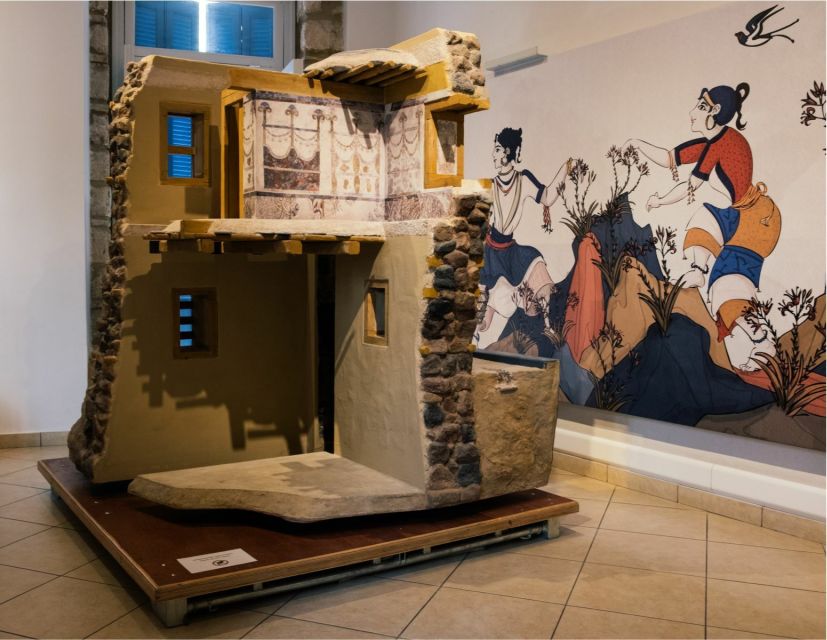
You can learn how they calculated and how mathematical thinking supported construction. That connection is important because ancient buildings are often admired for their appearance alone. Here, the emphasis is on the thinking behind them: measurement, proportion, planning, and the use of technical skill.
I like this part of the museum because it links what you may see elsewhere in Greece with the working methods behind it. After visiting archaeological sites, you may look at columns, plans, or structures with a sharper eye. You start asking how the builders handled measurements and how design choices depended on mathematics.
The information provided does not list every individual structure or object on display, so I would not arrive expecting a full catalog of named monuments. Instead, treat this section as a way to understand the process behind ancient construction.
That makes the museum a useful companion to sightseeing around the Acropolis. You can see major ancient sites outdoors, then come here to consider the technical ideas that made such work possible.
Ancient Greek war technology gets a practical treatment
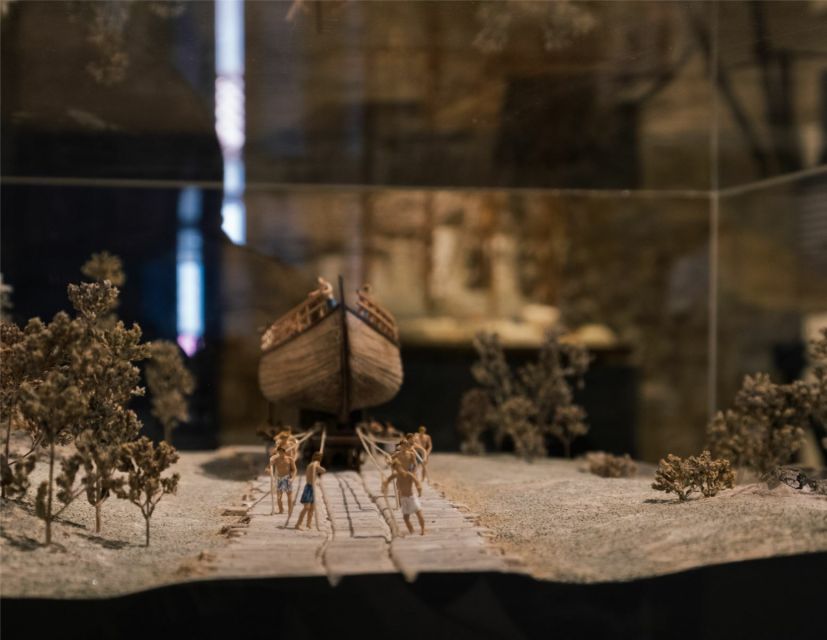
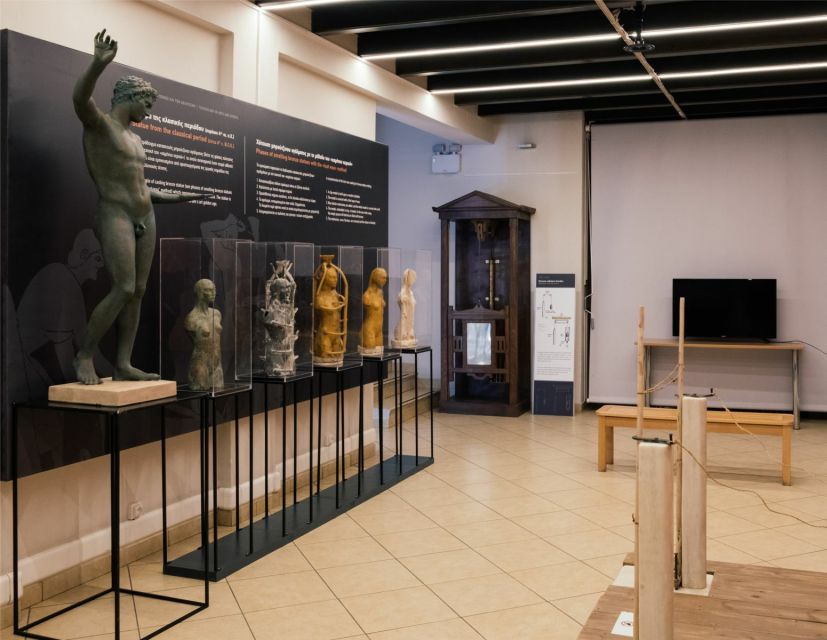
The displays also cover war techniques used by the Greeks. This gives the museum a more physical and practical side.
Military technology is a useful subject in a museum about ancient science because it shows how knowledge was applied under pressure. Calculations, design, materials, and mechanical ideas were not limited to peaceful construction. They could also be used in defense and warfare.
I would not treat this as a separate military museum. The available information presents warfare as one part of a wider display about technology in antiquity. Still, it adds variety and helps prevent the visit from becoming too focused on abstract mathematics.
For younger visitors, this may be one of the easier sections to connect with. Machines and war techniques provide a clear sense of purpose. For adults, the value is in seeing how scientific ideas moved from theory into real use.
Again, the ticket is for admission only. There is no guided tour included to explain the military examples in detail. If you want a structured explanation from a historian or museum educator, you would need to arrange that separately.
More Athens tickets worth pre-booking:
- Athens: Acropolis Ticket with Optional Audio or Live Guide
★ 4.2 · 11,055 reviews - Athens: Acropolis Ticket with Audio Guide
★ 4.0 · 3,575 reviews - Athens All Included: Acropolis and Museum Guided Tour with Ticket
★ 4.5 · 2,673 reviews - Athens: Acropolis Museum Ticket with optional Audio Guide
★ 4.4 · 2,652 reviews
The two buildings at 16 Herakleidon Street and 37 Ap. Pavlou Street
Your visit begins at the museum building at 16 Herakleidon Street. This is where you redeem the ticket.
The second building is at 37 Ap. Pavlou Street, about 150 meters away. That is a short walk, but it is still worth knowing before you arrive. You are not visiting two rooms in one building. You are moving between two nearby addresses.
This setup can work well in Thisseio because the museum is part of a walkable area. You can reach the first building on foot from the Thisseio Metro station, then continue to the second building without needing transport.
I recommend checking both locations at the start so you understand the order of the visit. The ticket instructions direct you to begin at 16 Herakleidon Street, which removes some of the confusion. After that, the short walk to Ap. Pavlou Street should be easy to manage.
The information does not specify how long you need inside each building or list the exact order of exhibits. The activity is sold with a duration of one day, so you have flexibility rather than a fixed timed itinerary. Check the available starting times when booking, but do not expect a scheduled group tour.
How much time should you set aside?
The ticket is listed with a one-day duration, but that should not be confused with a full-day guided program. It gives you a broad window for the museum visit, while the actual time you spend depends on how carefully you read and how interested you are in the subjects.
I would pair it with nearby sightseeing rather than plan to fill an entire day only with the museum. Its location near the Acropolis makes that easy. You can visit the museum before or after exploring the major archaeological area, depending on your schedule.
If the Antikythera Mechanism and mathematics are your main interests, allow enough time to read the displays without rushing. If you are making a quick stop between other sights, you can still get value from the central themes, but you may not absorb every section.
The best pace is probably unhurried but focused. Look for the links between the displays rather than treating each object as a separate stop. The museum is trying to show a way of thinking, not just present a collection.
What the $8 ticket really buys you
At $8 per person, admission is reasonably priced for a specialized museum. The value depends on your interests.
I think the price works best for someone who enjoys science, ancient engineering, mathematics, or educational museums. The Antikythera Mechanism alone gives the visit a clear subject, while the sections on war techniques and ancient structures provide useful variety.
The value is less certain if you want a large archaeological collection or a traditional museum filled with famous sculptures. This is a focused experience. Its purpose is to explain technological intelligence in antiquity, not to cover every part of Ancient Greek culture.
The mixed public score of 3.5 from 19 ratings suggests that expectations matter. Some people may find the visit worthwhile and clear, while others may consider the experience weak for the price. That difference likely comes from the museum’s specialized format and the lack of a guide.
Before booking, ask yourself what you want from a museum. If you want a short, affordable stop that adds technical context to an Acropolis visit, $8 is easy to justify. If you expect a large-scale attraction with extensive interpretation and staff-led storytelling, the ticket may feel less satisfying.
Who will enjoy this museum most?
I would recommend the Herakleidon Museum to several specific types of visitors.
Families may appreciate the focus on machines, calculations, and war technology, especially if ancient temples alone do not hold a child’s attention. The science, art, and mathematics theme also gives parents a way to connect the visit with school subjects.
Students and teachers should find the educational purpose useful. The museum’s programs are designed for these groups, although the standard entry ticket does not include a separate educational session or guided class.
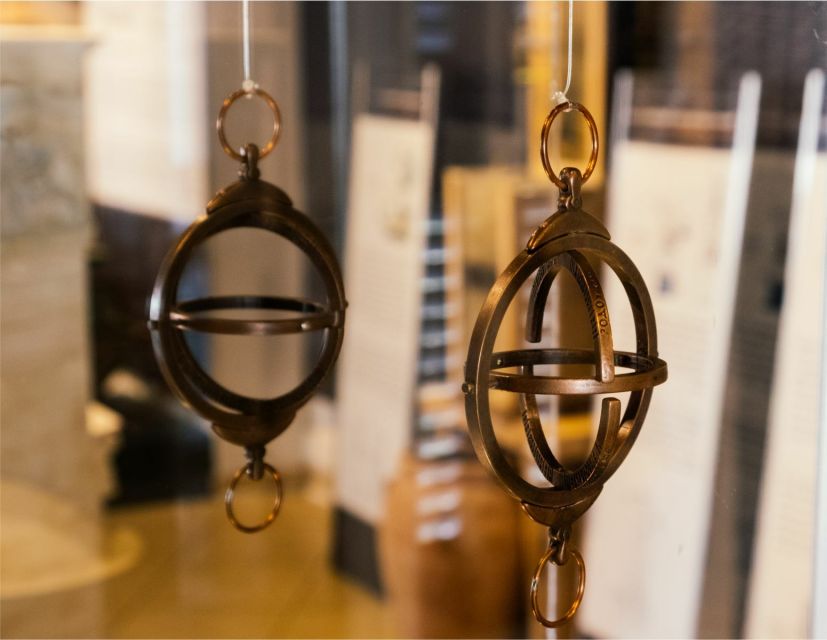
Adults who enjoy the history of engineering will get the clearest value. The Antikythera Mechanism offers a strong reason to visit, and the wider displays place it within a larger story of ancient technical achievement.
You may be less satisfied if you want personal guidance. No guide is included, and the activity does not promise a named host or a live explanation. You need to take responsibility for setting your pace and making sense of the displays.
Practical details that can make the visit easier
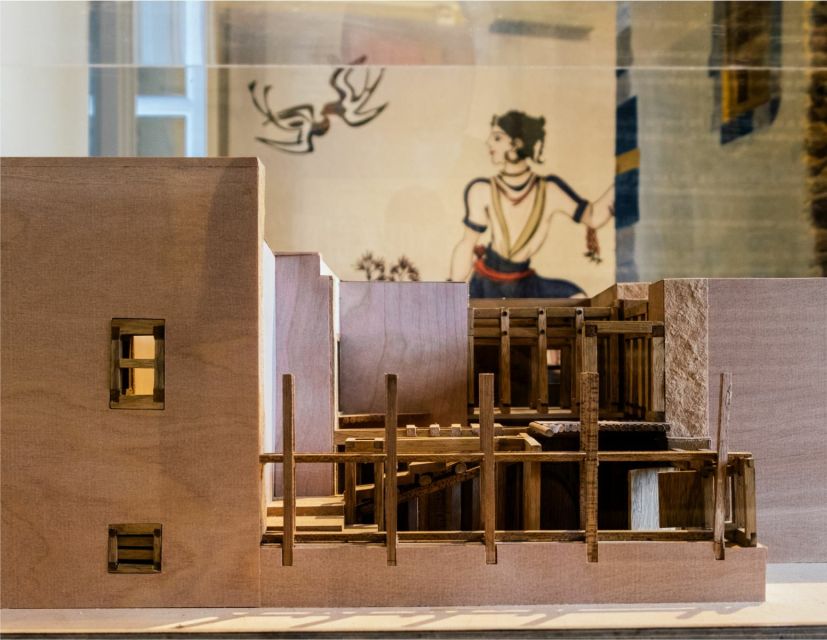
The museum is near the main entrance to the Acropolis, so it fits naturally into a day in Thisseio. You can walk from the Thisseio Metro station to the first building, redeem your ticket, and then continue to the second address.
Smoking and drinks are not allowed inside. Keep that in mind if you are arriving after a long walk or carrying refreshments from elsewhere.
Hotel transfer is not included. You need to make your own way to Herakleidon Street. The location is suitable for an independent visit, but it is not a door-to-door activity.
Free cancellation is available up to 24 hours in advance for a full refund. You can also reserve now and pay later, which may help if your schedule around the Acropolis is still changing. Check the available starting times before you finalize the booking.
Should you book the Herakleidon Museum?
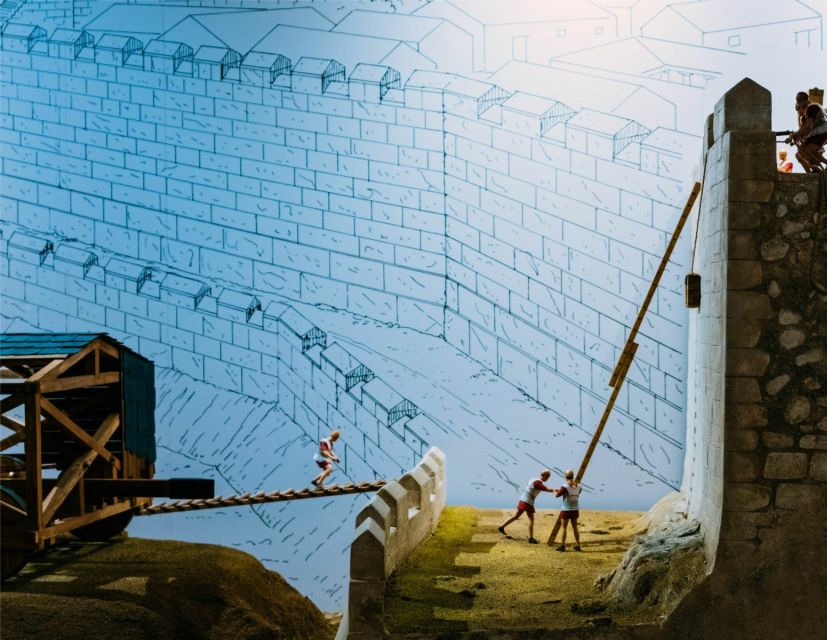
Book it if you want to see a side of Ancient Greece that temples and statues do not explain. The Antikythera Mechanism, the material on calculations, and the displays about war technology give the visit a clear purpose. The $8 price is fair for a focused, self-guided museum, especially when you combine it with nearby Acropolis sightseeing.
Skip it if you need a guide to bring the subject to life or if you are looking for a large collection of famous archaeological objects. The experience depends on your own curiosity and patience with educational displays.
My advice is simple: choose the Herakleidon Museum when ancient engineering interests you, and plan it as a smart one or two-hour-style stop within a wider Thisseio day, rather than as the only attraction on your schedule. The ticket is inexpensive, the location is convenient, and the subject is unusual. Just arrive knowing that the museum asks you to do some of the thinking yourself.
FAQ
Where is the Herakleidon Museum located?
The ticket is redeemed at the first building at 16 Herakleidon Street in Thisseio. The second building is at 37 Ap. Pavlou Street, about 150 meters away.
How much does admission cost?
The listed price is $8 per person.
Is a guided tour included?
No. The ticket includes entry only. A guided tour is not included.
Is hotel transfer included?
No. You must make your own way to the museum.
How long is the activity?
The experience is listed with a duration of one day. Check availability for starting times when booking.
Can I reach the museum by Metro?
Yes. The museum is within walking distance of the Thisseio Metro station.
What is not allowed inside the museum?
Smoking and drinks are not allowed.
Newly reviewed around Athens
- Athens: workshop for painting landscape with local artist★ 4.6 · 3 reviews
- Athens: Greek Wine & Olive Oil Tasting at Brettos Plaka★ 4.5 · 3 reviews
- Outdoor Yoga and Pilates with Akropolis view★ 4.0 · 5 reviews
- Acropolis of Athens: 60′ Tour in a Vintage Motorcycle★ 5.0 · 4 reviews
- Ultimate Tasting of the Volcanic Wines of Greece★ 5.0 · 3 reviews
- Athens at Twilight Night Tour with Drinks and Meze Dishes★ 4.8 · 4 reviews
- Breakfast in the markets with olive oil and honey tasting★ 4.8 · 8 reviews
- workshop for painting acropolis/landscape with local artist★ 5.0 · 3 reviews
Tickets, compared.

Athens All Included: Acropolis and Museum Guided Tour with Ticket
Read our review →
Acropolis Museum Ticket with optional Audio Guide
Read our review →
Acropolis Ticket & Optional Self-Guided Audio Tours
Read our review →
Guided Tour of Acropolis & Parthenon with Tickets
Read our review →
Athens Half-Day Sightseeing Tour with Tickets of Acropolis
Read our review →
Browse the lists this tour appears in