
Reviewed · ANCIENT AGORA TOURS
Athens: Kerameikos Stone House Cooking Class
The best part of this Athens cooking class is its setting: you cook inside a 1920s stone house in Kerameikos, then carry your meal into a leafy garden. This feels less like a formal kitchen lesson and more like being invited into a Greek family’s home.
I like two things right away. You get real hands-on work, from shaping spinach pies to mixing tzatziki, and the menu gives you six useful recipes rather than one showpiece dish. I also like the Tuesday market visit, when you spend about 15 minutes choosing ingredients right outside the house. The main drawback is that the exact menu can change with the season, and some class members have found directions and recipe delivery less clear than expected.
Key points
- Six vegetarian Greek dishes: Prepare yemista, spinach cheese rolls, Cretan ntakos, kagiana, tzatziki, and loukoumades, subject to seasonal changes.
- A genuine neighborhood setting: The class takes place at Mama’s Roots in Kerameikos, about a 20-minute walk from Monastiraki.
- Tuesday market stop: On Tuesdays, shop for fresh produce and bread at the farmers’ market in front of the house.
- Family-style teaching: Elena, Kostas, Vasilis, Bill, and other Mama’s Roots instructors have led classes with a warm, informal approach.
- Meal, wine, and recipes included: Eat what you prepare in the garden, enjoy wine from local producers, and receive the recipes digitally.
- Small-group feel: Groups are kept small when that option is available, giving you more chances to chop, mix, shape, and ask questions.
Cooking Greek food in a Kerameikos stone house
This is a cooking class with a strong sense of place. Mama’s Roots sits in Kerameikos, a central Athens neighborhood known for bars and restaurants, but the class itself takes you away from the usual café table and into a restored stone house with a garden.
The building matters. You are not standing in a modern cooking studio with rows of identical workstations. The house has an old-fashioned, home-based feel, and the garden provides a calm place to eat after the kitchen work is done. Depending on the weather, you may eat outside beneath shade or inside with air conditioning.
The class runs for about three to three and a half hours. That is long enough to prepare a full meal without feeling like a rushed demonstration. You will usually work as part of a small group, although the exact size can vary. One couple described a class of only two people, while another group had seven.
The atmosphere depends partly on the instructor. Elena has led classes with her mother or assistant Gianna, while Kostas and Vasilis, also called Bill, have taught other sessions. The names change, but the teaching style is consistent: explain the dish, assign jobs, then keep the group moving together.
More Ancient Agora and Kerameikos walks:
- Athens: Agora and Hephaistos Temple Entrance Ticket
★ 4.0 · 449 reviews - Athens: Ancient Agora E-Ticket and Audio Tour
★ 3.9 · 413 reviews - Athens: Roman Agora & Ancient Agora E-ticket & 2 Audio Tours
★ 4.1 · 107 reviews
The Tuesday market adds a useful local touch
If you book a Tuesday session, the class begins with a short visit to the farmers’ market directly in front of Mama’s Roots. This takes about 15 minutes, so do not expect a full market tour or a long food walk.
Still, it is a worthwhile start. You see the ingredients before they become lunch and take part in the everyday act of shopping for vegetables, herbs, bread, or other supplies. That small step gives the recipes more meaning. Instead of treating Greek cooking as a list of exotic ingredients, you see how ordinary fresh produce becomes the center of the meal.
The market visit is not offered as a separate feature every day, so Tuesday is the best choice if this matters to you. On other days, the ingredients are prepared for the class, and you go straight into the cooking session.
Six dishes, with plenty of hands-on work
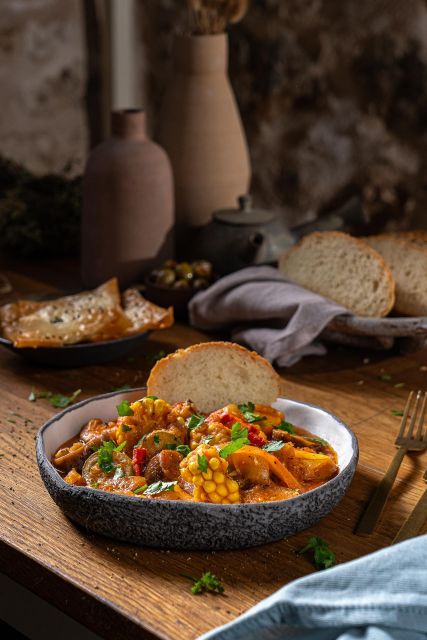
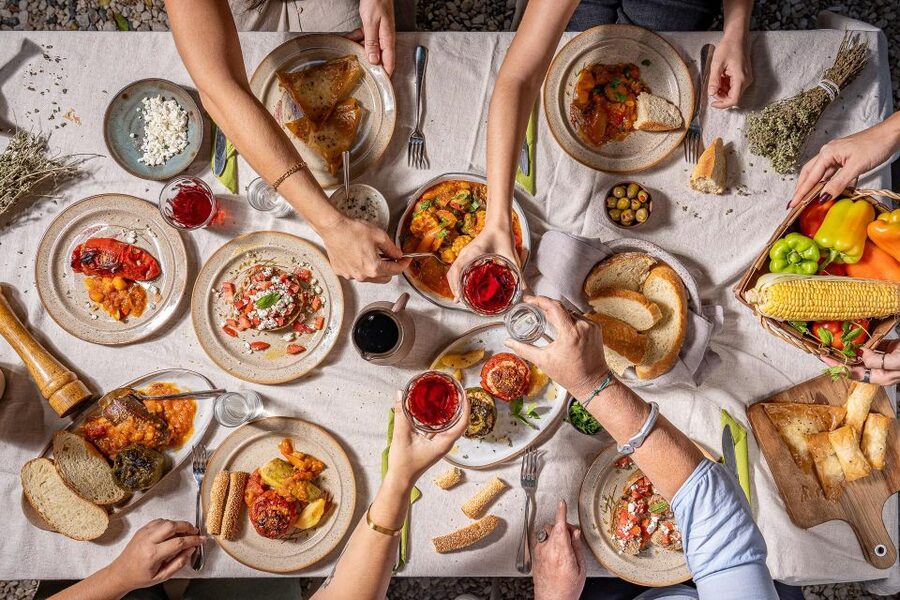
The menu is vegetarian and built around familiar Greek flavors: tomatoes, olive oil, feta, herbs, yogurt, cucumber, barley rusks, and seasonal vegetables. The food is not designed as a restaurant tasting menu. It is the sort of meal you can make again at home.
You may prepare:
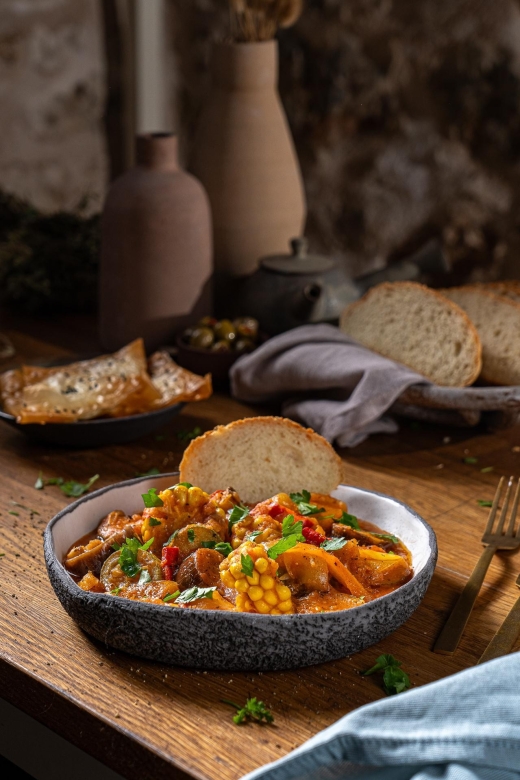
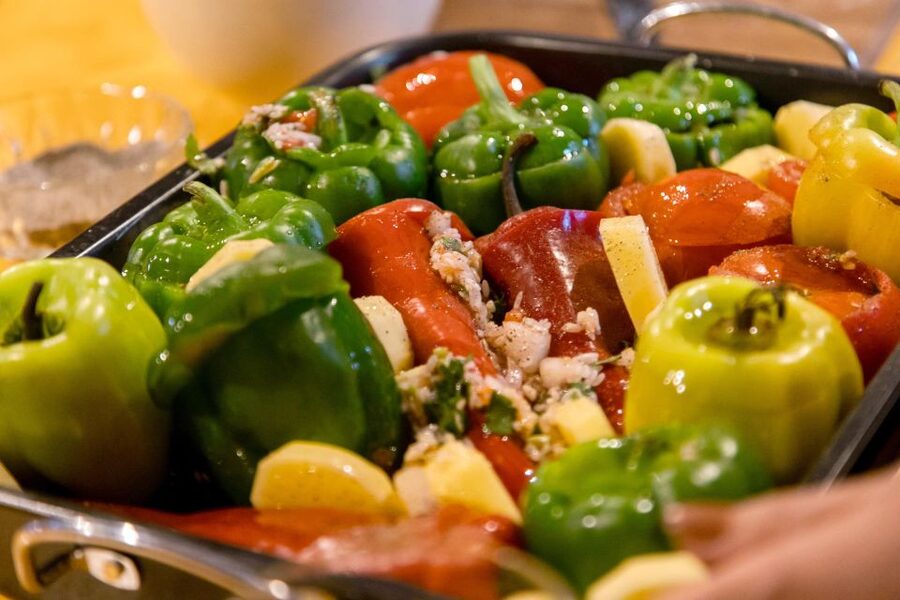
- Yemista: Tomatoes and peppers filled with rice, fresh vegetables, herbs, and extra virgin olive oil, then baked.
- Spinach cheese rolls: Small phyllo pies filled with spinach, feta, and herbs.
- Cretan ntakos: Barley rusks softened with olive oil and topped with tomato, capers, oregano, and sour mizithra cheese.
- Kagiana: Greek scrambled eggs with grated tomato, peppers, and feta.
- Tzatziki: Yogurt, cucumber, garlic, and the usual careful balance of seasoning.
- Loukoumades: Small doughnuts finished with honey and cinnamon.
The menu may change according to seasonal availability. That is worth accepting because it keeps the class tied to what is fresh, but it also means you should not treat the printed menu as a strict promise.
The spinach pies are a likely favorite if you enjoy working with phyllo. They offer a clear lesson in handling pastry, filling, and baking. The kagiana is especially practical because it is simple enough for a weekday breakfast or light supper. The tzatziki is another useful takeaway. You can learn the basic method quickly and use it with vegetables, bread, grilled food, or mezze at home.
The dessert is the one part that may receive less attention. One class member noted that the loukoumades were not shown from start to finish because the group was eating the main meal at the time. If you want a full dessert lesson, ask when the doughnuts will be prepared.
A class that feels like cooking with family
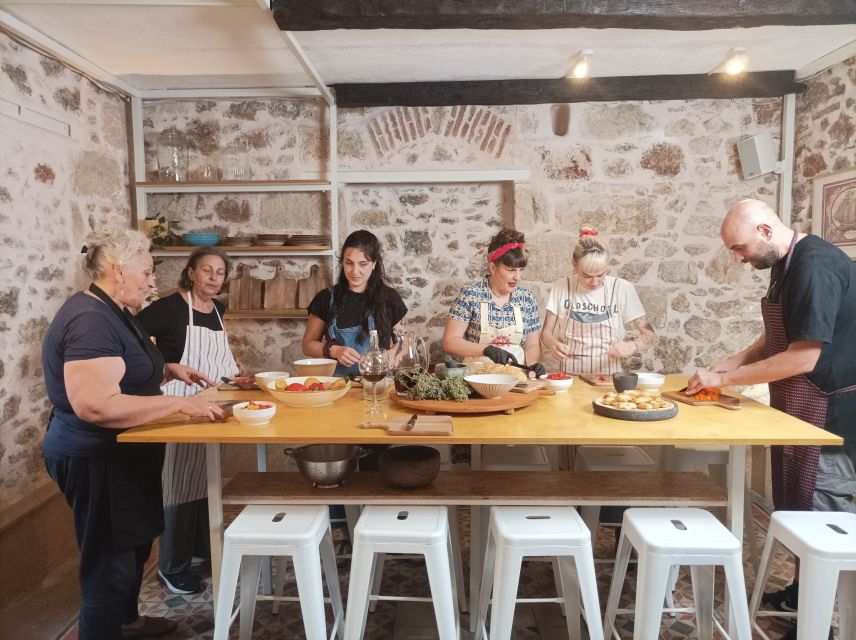
The strongest feature here is participation. You are not simply watching an instructor chop vegetables while someone else does the real work. The group helps prepare each dish, and the instructor gives people different tasks so no one is left standing at the edge.
That approach works well for beginners. You do not need advanced kitchen skills, and the recipes are explained in plain steps. You also have room to ask why a certain ingredient is used, where it comes from, or how the dish fits into Greek home cooking.
Elena has been especially praised for her patience and attention to ingredients. Kostas is described as careful and clear, while Vasilis and Bill bring a more humorous, relaxed mood. These personal touches matter in a class that lasts several hours. A stiff lesson can feel long. Here, conversation, stories about family recipes, and wine help the time pass easily.
You should expect a social experience. People cook side by side, talk over the preparation, and then sit together for the meal. That can be a plus if you like meeting people during a trip. If you prefer a quiet private lesson, check the group arrangement before booking.
More cooking classes in Athens:
- Athens: Classic Cooking Class with Market Visit and Wine
★ 5.0 · 1,101 reviews - Athens: Food Market Visit and Cooking Class with Wine
★ 4.9 · 1,087 reviews - Greek Cooking Class in Athens Including Rooftop Dinner with Acropolis View
★ 5.0 · 826 reviews - Greek Small-Group Athens Cooking Class & Dinner
★ 5.0 · 574 reviews
The garden meal is the payoff
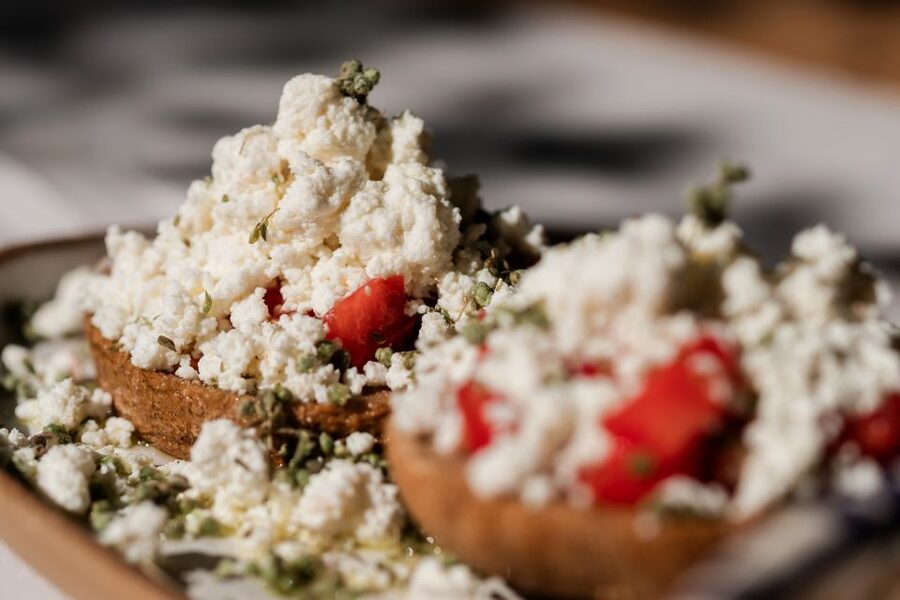
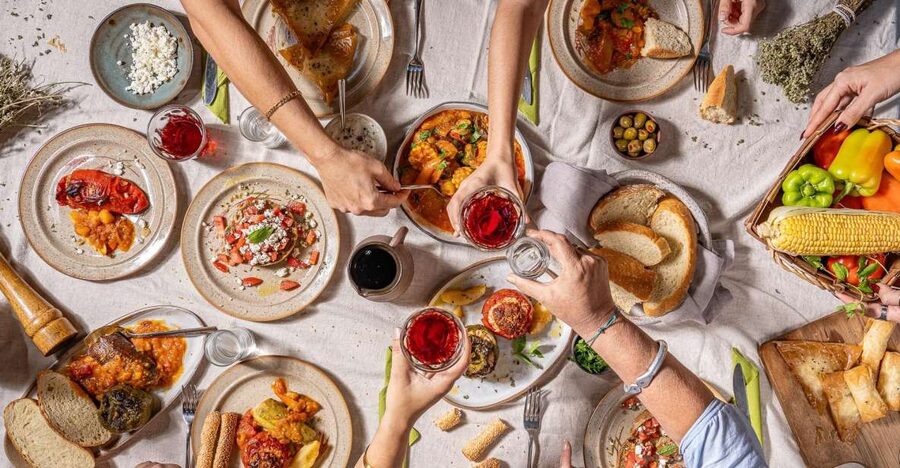
After the cooking, you sit down to eat the food you helped make. The meal is served in the garden when conditions allow, often under shade. It is a simple but effective ending: you see the full spread, taste the dishes together, and have time to talk with the instructor and other members of the group.
Wine from local producers is included. It suits the informal lunch or dinner and adds value to the $106 price. Several hours of instruction, six dishes, a full meal, wine, and digital recipes can cost about as much as a good restaurant meal for one person, but here you also take home cooking skills.
The quantity is generous. You may finish the meal very full, and there can be leftovers. Instructors have packed extra spinach pies or other food for people who cannot eat everything. That is useful if you have sightseeing afterward, though you should not plan an energetic walk immediately after lunch.
The garden is also a welcome change from Athens stone and traffic. You are still in a central neighborhood, but the meal has a slower rhythm. In warm weather, the space may be shaded, and one class used the air-conditioned interior instead. The property has a small shop area with pottery, jewelry, art, and other handmade items from local makers. Purchases are separate from the class, and you may want cash if you hope to buy something.
What the $106 price really buys you
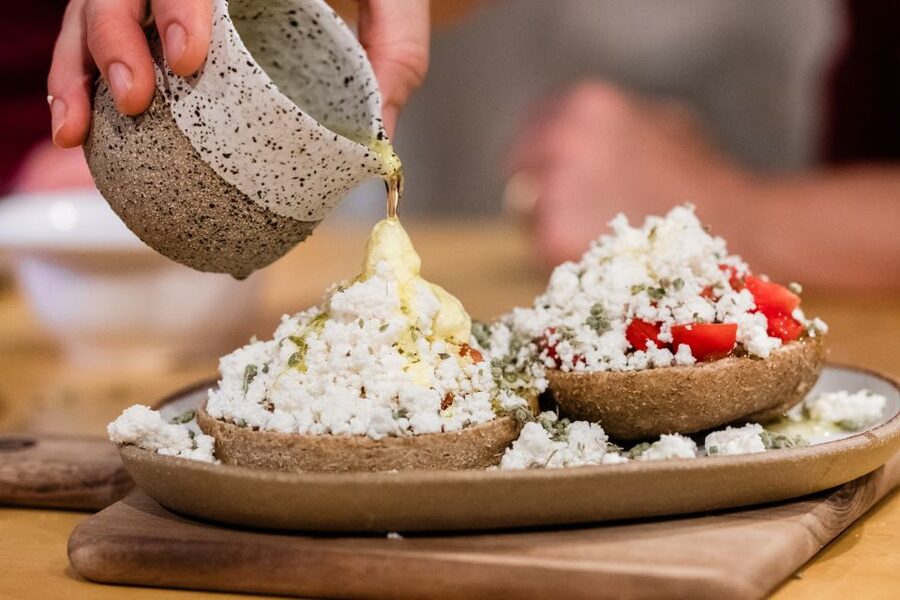
At $106 per person, this is not the cheapest food activity in Athens. You can eat Greek dishes for much less, especially at a casual taverna. The value comes from the combination of teaching, food, setting, wine, and recipes.
You are paying for about three to three and a half hours. You prepare six dishes rather than one or two, then eat the finished meal. You also receive the recipes digitally, generally through a QR code or follow-up message, so the class has a useful afterlife at home.
The recipes are accessible. They rely on ingredients you may be able to find outside Greece, and they are suited to everyday cooking rather than special-occasion theatrics. That makes the class a better buy for you if you want to repeat what you learn.
The value is also stronger for couples, families, and food lovers who would otherwise spend money on a long restaurant meal. Children can take part, and one family group ranging from age seven to fifty found the format workable. Still, the class is not only for families. Couples and solo participants can easily join the social rhythm of a small group.
Timing, location, and practical matters
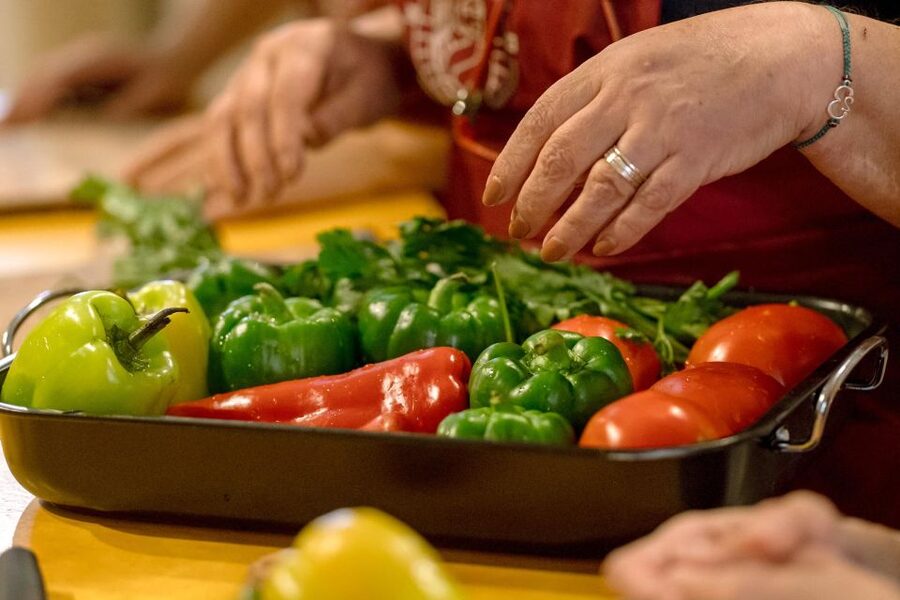
Mama’s Roots is in Kerameikos, in central Athens. It is about a 20-minute walk from Monastiraki, which makes it easy to pair with time in that part of the city. The meeting point is the Mama’s Roots venue itself, not a distant market or hotel pickup location.
The activity is offered in English. Because the session includes several dishes and a shared meal, give yourself the full three to three and a half hours. Do not book it immediately before a timed museum entry or airport transfer.
You can reserve now and pay later, and cancellation is free up to 24 hours before the activity for a full refund. Starting times vary, so check the available schedule for your date.
The setting is comfortable, but it is still a working kitchen and an old house. You should expect standing, group preparation, and ordinary kitchen activity. If you have food allergies or strict dietary needs, contact the provider before booking. The listed menu is vegetarian, but the menu can change with the season, and the supplied information does not confirm handling procedures for every allergy.
Directions have caused some confusion for at least one class member. I would save the meeting-point details before leaving your hotel and allow extra time for the walk through Kerameikos.
The small drawbacks to consider
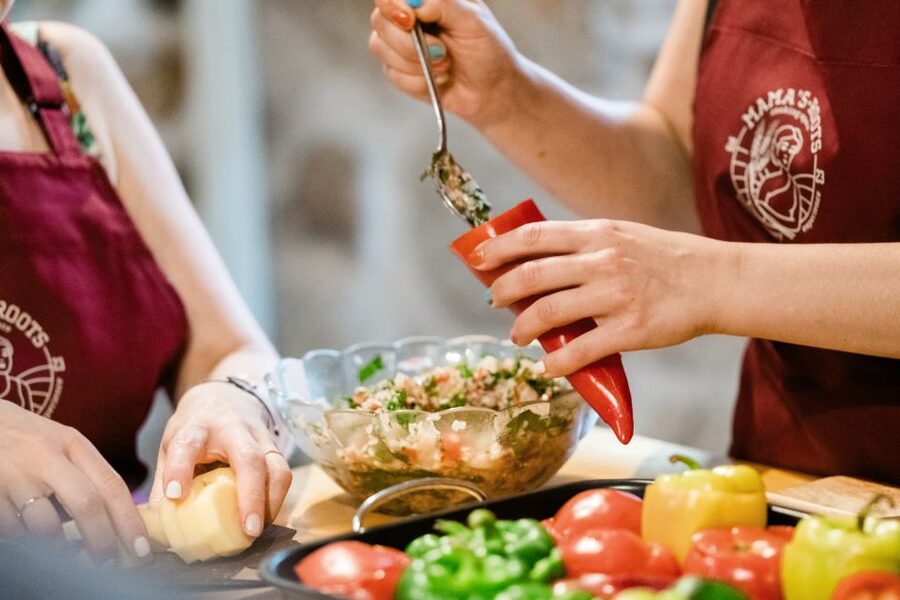
The class earns its warm reputation, but it is not flawless for every kind of visitor. First, the exact menu may change, so do not book solely for one specific dish. If yemista or loukoumades are your main goal, confirm the plan before you arrive.
Second, the dessert may be partly prepared ahead of time, depending on the pace of the class. You may not see every step. Third, the digital recipes need attention after the session. Most people receive them through a QR code or email, but one person did not receive either the expected menu information or recipes. Scan the code before leaving and ask the instructor if anything is missing.
Finally, this is a communal activity. You may have to share counter space and wait briefly while another person finishes a task. That is part of the charm for many people, but it may frustrate you if you want a private, highly technical cooking lesson.
Who should book the Mama’s Roots class?
I would choose this class if you want to understand Greek food through home cooking rather than restaurant service. It suits beginners, couples, families, and solo visitors who enjoy a friendly group setting.
It is especially good for you if you value practical recipes. Tzatziki, kagiana, spinach pies, and stuffed vegetables are dishes you can adapt and make again. The market visit makes Tuesday the best day for a fuller food experience, while the garden and stone house give every session a strong sense of place.
I would choose another activity if you want professional-chef training, a private class, a meat-focused menu, or a short demonstration with little participation. This is relaxed, social, and home-style. Its strength is not technical precision. Its strength is showing you how Greek food works around fresh ingredients, shared preparation, and a generous table.
Should you book it?
Yes, if you have half a day in Athens and want more than another meal out. The six-dish menu, local wine, garden setting, and digital recipes make the $106 fee fair, especially when you count the meal itself.
Book a Tuesday session if the market visit appeals to you. Ask about the current menu if you have a favorite dish, and confirm the recipe delivery before you leave. For most people who enjoy cooking, eating, and meeting others, this is one of the more useful food experiences you can add to an Athens stay.
FAQ
Where does the cooking class take place?
The class takes place at Mama’s Roots in the Kerameikos neighborhood of central Athens, inside a 1920s stone house with a garden.
How long does the experience last?
The cooking class lasts about three to three and a half hours, including the preparation and shared meal.
What dishes will I cook?
The menu includes six Greek dishes, such as yemista, spinach cheese rolls, Cretan ntakos salad, kagiana, tzatziki, and loukoumades. The menu may change with seasonal availability.
Is the class vegetarian?
The listed menu is vegetarian, and the dishes described are meat-free. Since the menu can change, confirm the current selection if this is important to you.
Is the farmers’ market visit included?
On Tuesdays, the group spends about 15 minutes at the farmers’ market directly in front of the venue, choosing fresh ingredients for the class.
Is wine included?
Yes. Wine from local producers is included with the meal.
Will I receive the recipes?
Recipes are provided in digital form, commonly through a QR code. Check that you have access to them before leaving the class.
More hands-on workshops in Athens
- Athens: Greek Cooking Class & Dinner on a Rooftop
★ 5.0 · 383 reviews - Athens: Greek Cuisine Cooking Class and 3-Course Dinner
★ 4.8 · 270 reviews - Traditional Greek cooking class and lunch or dinner with an Acropolis view
★ 5.0 · 250 reviews - Athens Airport Private Transfer by Mercedes-Benz E Class Wagon to City Center
★ 5.0 · 232 reviews
Newly reviewed around Athens
- Feel Ancient thermal Spa Visit Delphi, Leonidas ℨoo Spaʀtan★ 5.0 · 4 reviews
- Food Tour★ 5.0 · 3 reviews
- Explore the Hidden Food Gems of Athens★ 5.0 · 57 reviews
- Food Experience in Athens including Unlimited Lunch★ 5.0 · 3 reviews
- Eat Your Way Through Athens: A Local Food Walk★ 4.9 · 97 reviews
- From Athens: Delphi Private Tour with Lunch Time★ 4.0 · 3 reviews
- Delphi: Spanish guided one day tour★ 4.6 · 55 reviews
- Early Entry Acropolis & Museum. Beat the Crowds & the heat★ 5.0 · 3 reviews
Ancient Agora Tours, compared.
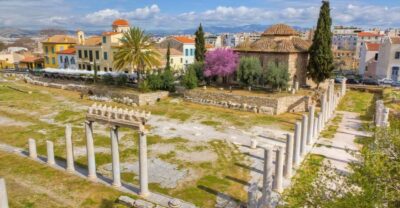
Roman Agora & Ancient Agora E-ticket & 2 Audio Tours
Read our review →
Ancient Athens, Agora, and Keramikos Segway Tour
Read our review →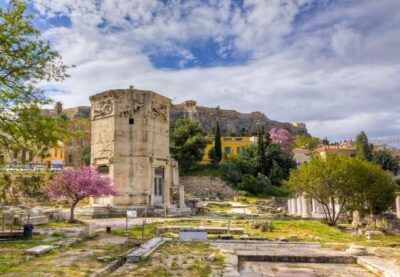
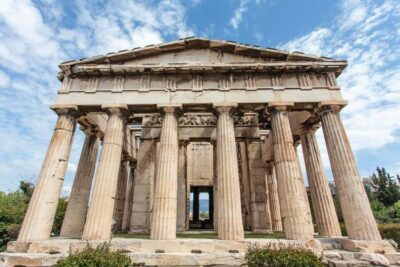
Ancient Agora: Audiovisual self-guided tour with 3D models
Read our review →

Browse the lists this tour appears in