

Reviewed · ATHENS ACROPOLIS TOURS
Athens: The Acropolis Museum Guided Tour
The best reason to visit the Acropolis Museum is simple: it gives you the missing pieces before you walk up to the Parthenon. Behind the glass and marble, you can see how ancient Athenians worshipped, built, sculpted, and lived. The museum’s glass floors even reveal an ancient neighborhood beneath your feet.
I like the natural light in the Archaic Gallery, and I like the way a good guide turns objects into understandable stories instead of leaving you to read row after row of labels. The main drawback is timing. Seventy-five minutes passes quickly, and some departures join a longer Acropolis tour already in progress, which can mean a late start.
Key points to know
- The museum makes the Acropolis easier to understand: You see the statues, offerings, and architectural pieces before confronting the ruins on the hill.
- The 75-minute route is focused: A guide leads you to major highlights, but you will not study every gallery at length.
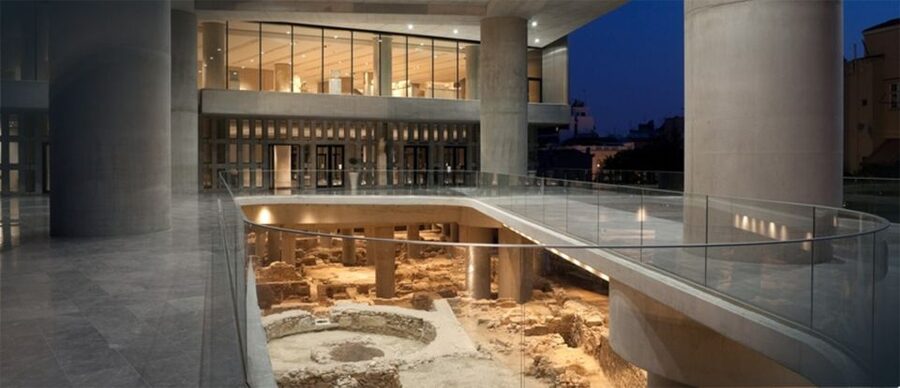
- The ancient neighborhood is under your feet: Plexiglass and glass floors reveal excavated remains below the modern building.
- The museum itself deserves attention: Bernard Tschumi and Michael Photiadis designed a Modernist structure aligned with the Parthenon.
- Guide quality is a major strength: Guides such as Dimitris, Natasha, Niobe, Annie, and Margherita have been praised for clear explanations and lively delivery.
- Budget for the museum ticket: The $41 tour price does not include admission, which costs about €20 per adult.
Why start with the museum before the Acropolis?

I strongly prefer seeing the museum before climbing the Acropolis. On the hill, you look at columns, foundations, and weathered marble in the open air. In the museum, those same ideas become clearer through sculpture, scale, color, religious objects, and architectural fragments.
The sequence also helps with your imagination. The Acropolis can feel like a grand but battered collection of ruins. The museum shows the artistic ambition behind it. You see the people who commissioned the buildings, the gods they honored, and the sculptors who gave stone a startling sense of movement.
One recent guide, Dimitris, was praised for putting the site into context with humor and modern comparisons. That approach matters here. You are not just memorizing dates. You are building a mental picture of Athens in the fifth century BC, when the city was producing some of the ancient world’s most influential art and architecture.
If your schedule allows, visit the museum first and then go to the Acropolis itself. The museum tour does not include the hill, so you need a separate plan and ticket for that part.
More ways to see the Acropolis:
- Athens: Acropolis & up to 5 Archaeological Sites Combo Pass
★ 4.4 · 12,619 reviews - Athens: Acropolis Ticket with Optional Audio or Live Guide
★ 4.2 · 11,055 reviews - Athens: Acropolis, Parthenon & Acropolis Museum Guided Tour
★ 4.8 · 9,316 reviews
Meeting the guide on Dionysiou Areopagitou Street
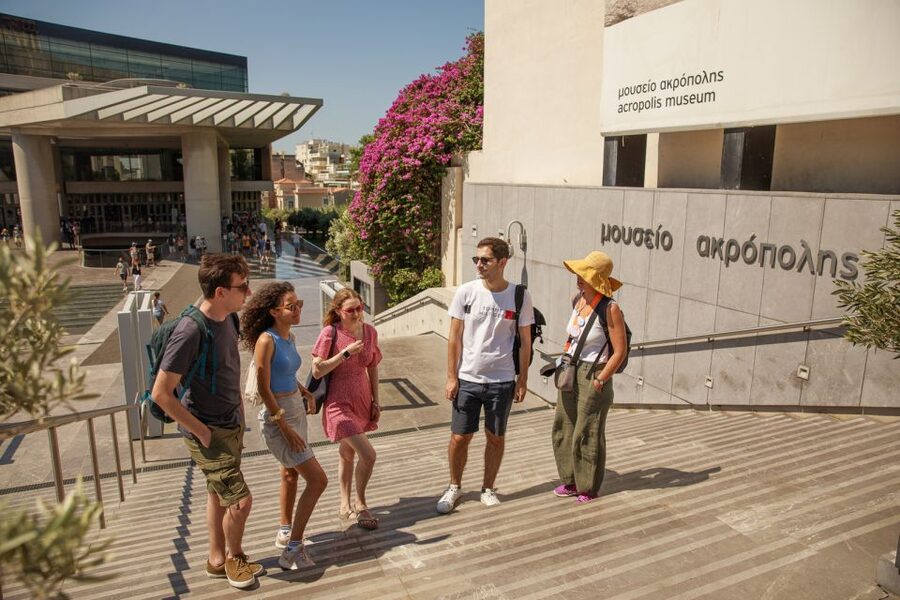
The meeting point is at 3 Dionysiou Areopagitou Street, by the Lukumades and Pilino stores. Look for staff holding an orange Athens Walking Tours sign. The spot is at the beginning of the pedestrian walkway running from Hadrian’s Arch and Syngrou Avenue toward the Acropolis.
This location is not directly at the museum entrance. That is worth taking seriously, especially if you are trying to fit the tour between a ferry arrival, lunch, and a later visit to the Acropolis. One useful improvement would be to meet closer to the museum, since a short walk and group organization can eat into a 75-minute visit.
Arrive early. The experience has sometimes been the second part of a longer Acropolis and museum program. If you booked only the museum portion, you may be folded into a group that began elsewhere. Several people had a good museum visit but lost time waiting for the earlier portion to finish.
The staff member carrying the orange sign helps with this handoff. One past participant even got a phone call after becoming lost, which is reassuring if Athens’ busy streets and several similar-looking entrances leave you uncertain.
The Modernist building is part of the lesson
Before focusing on the objects, take a moment to look at the building. Bernard Tschumi and Michael Photiadis designed the Acropolis Museum as a modern structure with strong links to the ancient site. Its upper glass atrium is aligned with the Parthenon, creating a visual relationship between the museum and the hill above it.
This is not a neutral box for displaying statues. The building uses open views, glass, light, and clear sightlines to connect the collection with Athens outside. You get views toward the Acropolis while standing among the works created for it.
The architecture can also help you understand the museum’s purpose. Many objects once sat in other museums, remained in storage, or spent time in foreign collections. Here, they are brought together in a setting that points back toward their original home.
That design is especially useful for first-time visitors. You can move from the old neighborhood below the building to the ancient galleries above, then look through the glass toward the Acropolis. The layers of Athens are visible in one place.
Seeing Athens under the glass floors
One of the museum’s most memorable features is the excavated ancient neighborhood beneath it. Glass and plexiglass floors allow you to look down at remains from earlier Athenian life. Instead of seeing the Acropolis as an isolated monument, you get a glimpse of the city that surrounded it.
The display helps answer a basic question: where did ordinary life happen while temples and statues were being created above? The remains below offer a physical reminder that Athens was not only a ceremonial hill. It was also a working city with homes, streets, and daily routines.
The clear floors are visually striking, but they can be challenging for a group. Your guide needs to position everyone so people can see without crowding around a single spot. The strongest guides manage this by explaining the main idea, allowing a look, and then moving the group along.
That pacing becomes important later in the tour. The museum holds more than 4,000 artifacts, but you are not going to examine all of them in 75 minutes. The guide’s job is to select objects that explain the larger story.
More museums and ancient sites in Athens:
- Athens: Acropolis, Parthenon & Acropolis Museum Guided Tour
★ 4.8 · 3,579 reviews - Acropolis monuments & Parthenon Walking Tour with Optional Acropolis Museum
★ 5.0 · 2,678 reviews - Athens: Acropolis Museum Ticket with optional Audio Guide
★ 4.4 · 2,652 reviews - Parthenon & Acropolis Museum with Audio or Live Tour Option
★ 4.1 · 2,446 reviews
The Archaic Gallery and the color of ancient Greece
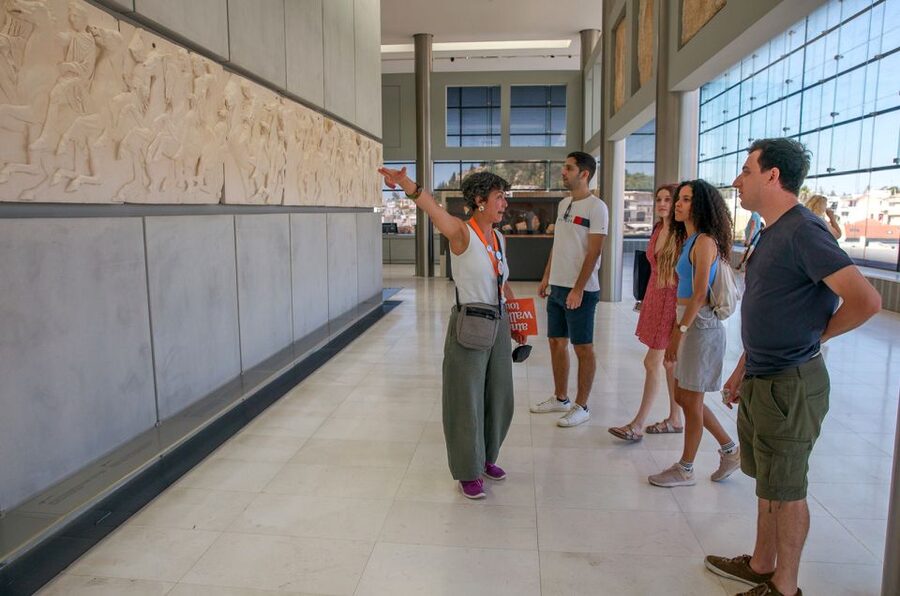
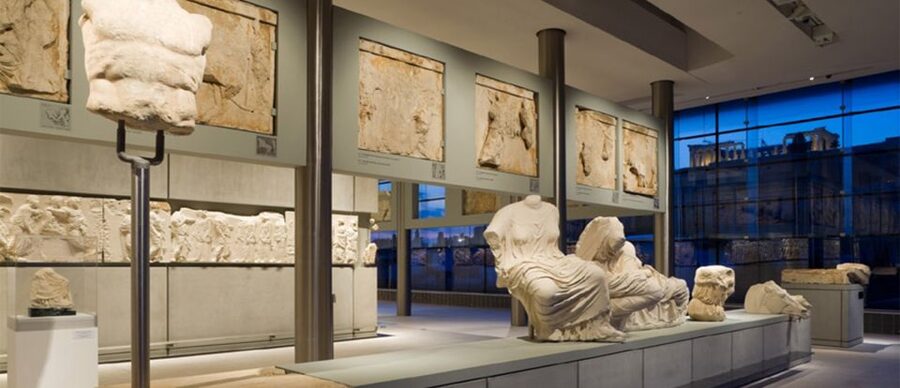
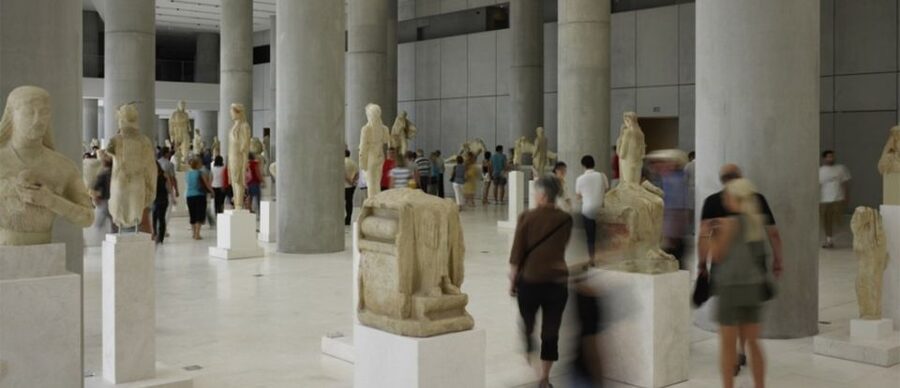
The first-floor Archaic Gallery is one of the main stops. Natural light fills the space, allowing the sculptures to be viewed from several angles. The open arrangement makes the room feel less like a cramped storehouse and more like a place where sculpture can breathe.
This is also where you can challenge one of the most common ideas about ancient Greek art. White marble is now familiar, but ancient sculpture was often painted. A guide can point out traces, reconstructions, and details that help you picture a world that was not simply white and gray.
The gallery covers the period before the fifth century BC, so it gives you a useful lead-in to the art associated with the Acropolis at its creative height. Look for changes in posture, facial expression, clothing, and the treatment of the human body.
You will not have time to linger with every figure. If you already have a strong interest in sculpture, plan to return after the guided portion ends. The 75-minute visit works best as an introduction and orientation, not as a full museum study.
Votive offerings to Athena
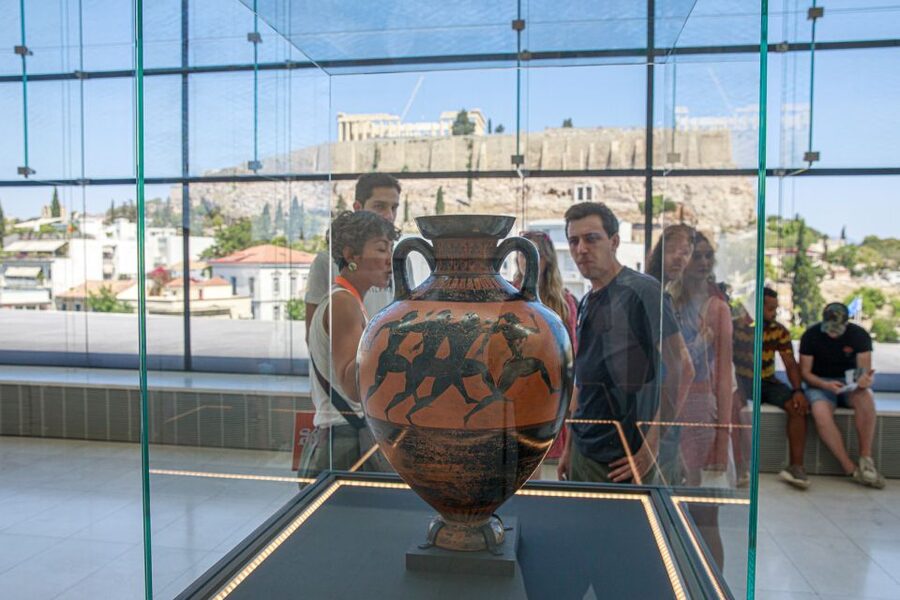
The collection includes votive offerings made to Athena. These objects show the personal side of ancient religion. Worshippers did not approach a sanctuary only through huge temples and official ceremonies. They also left gifts connected to prayers, gratitude, hope, and devotion.
This part of the tour gives you a clearer sense of how the Acropolis functioned. It was not just a place for impressive buildings. It was a sacred center where people expressed their relationship with the goddess who protected Athens.
A good guide can connect small offerings to the larger monuments without making the explanation feel like a list of facts. Apollo, one guide praised for his storytelling, was especially effective at linking mythology with the objects on display. That kind of connection makes the collection more memorable.
Pay attention to how much time your guide gives this section. Some guides may spend longer on famous people or individual objects, while you might prefer a broader explanation of the Acropolis as a religious site. A past participant felt that too much detail on single figures reduced the wider picture. If you have a preference, ask your guide early.
The Caryatids and the Parthenon connection
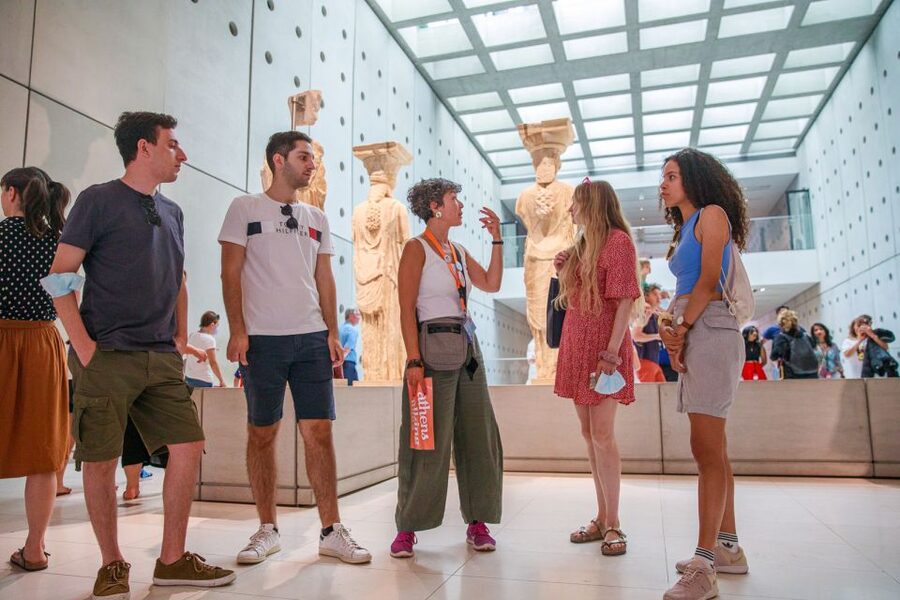
The Caryatids are among the museum’s headline sights. These sculpted female figures served as architectural supports for the Erechtheion on the Acropolis. Seeing them close up lets you study the drapery, posture, hair, and careful balance between human form and architectural function.
The museum displays the Caryatids in a way that makes comparison possible. You can look closely at the originals and then understand their place in the building above. One of the figures remains in the British Museum, so the group also opens the door to questions about removed antiquities and the way ancient monuments were scattered among modern collections.
The upper glass atrium provides another major connection. Its alignment with the Parthenon is not a minor design trick. It directs your attention back to the monument and makes the museum feel tied to the hill rather than separate from it.
You will also see artifacts linked to the Parthenon and other Acropolis buildings. The guide helps sort out what belonged where, which is useful because the hill contains several important structures and many visitors mix them together.
Why a guide adds real value here
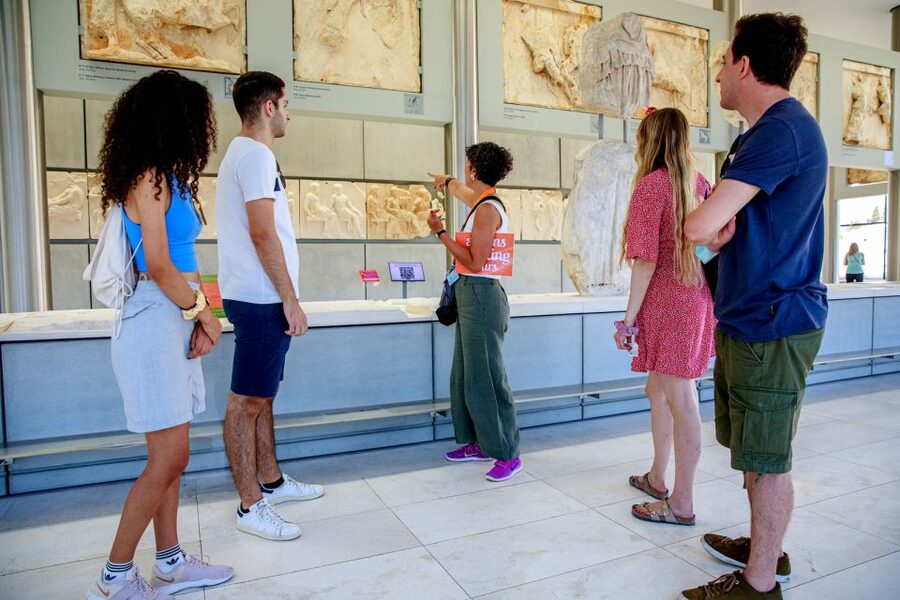
You can visit the Acropolis Museum independently, but the right guide changes the experience. The displays are excellent, yet the scale of the collection can leave you wondering what deserves your attention. A guide gives you a route and a reason for each stop.
The strongest guides combine history, mythology, art, and the museum’s architecture. Natasha was praised for explaining not only the objects but also the planning of the building. Niobe was appreciated for having a clear plan and offering enough information without overloading the group.
The teaching style matters if you are traveling with children. Annie reportedly included a seven-year-old in the discussion, which kept the child involved instead of treating the museum as an adult-only exercise. That does not guarantee the same guide on your departure, but it shows what this format can do when the guide reads the group well.
Group size can affect the experience. One participant found the group very large, although the guide kept it moving. At popular times, you may need to work for a good view. Stay close, listen for the next meeting point, and do not drift to the back while the guide is explaining a key object.
Timing, pace, and the risk of a late start
Seventy-five minutes is a sensible length for a first visit, but it is not generous. Shane described the duration as ideal because the tour moved directly through the highlights. Another person felt the tour was too short and wished more time had been available.
Both views make sense. If you want a clear overview before visiting the Acropolis, 75 minutes keeps the information manageable. If you are an archaeology enthusiast or want a slow look at every gallery, you will need extra time after the tour.
The biggest practical issue is not the advertised duration but the possibility of a delayed start. When the museum visit follows an Acropolis portion, delays from the first part can carry over. One participant waited 30 to 45 minutes before joining the ongoing group, while another reported a long wait before the tour began.
Do not schedule a tight lunch or another paid activity immediately afterward. The museum itself is manageable, but group changes and late arrivals can disrupt the timetable. An early morning departure is a smart choice in summer, both for the heat outside and for a calmer start to your sightseeing day.
Price, entrance fee, and overall value
The tour costs $41 per person, with the museum entrance fee of about €20 per adult paid separately. Food, drinks, hotel pickup, and drop-off are not included. That makes the total cost higher than the headline price, so check your budget before booking.
I think the price can make sense if you value explanation and want to organize your Acropolis visit around a clear introduction. A good guide can save you from wandering through 4,000-plus artifacts without knowing what you are seeing. The value is less convincing if you prefer to read at your own pace or already know the site well.
The skip-the-ticket-line service is useful, though it does not remove every possible wait. You still need to reach the meeting point, find the staff member, and allow time for the group to assemble. Bring a passport or ID card, wear comfortable shoes, and leave luggage or large bags behind.
The tour runs in all weather, rain or shine. That matters less inside the museum than on the walk to the meeting point, so carry suitable clothing for the day. The activity is wheelchair accessible, but careful timing is still sensible because the group moves through several major sections in a fixed period.
Free cancellation is available up to 24 hours before the start, and you can reserve now and pay later. Those terms are helpful if your Athens plans may change.
Who will get the most from this visit?
I would choose this tour for a first-time Athens visitor, anyone who wants the museum explained in plain English, and people planning to visit the Acropolis afterward. It is also a good fit if museums usually feel hard to approach. The guide gives you a story to follow and helps you focus on the objects that matter most.
Families may appreciate the short format, particularly if the guide keeps children involved. Art and archaeology fans should treat it as a guided introduction, then stay longer on their own if time allows.
I would hesitate if you dislike fixed pacing, large groups, or waiting for a tour already underway. The meeting point is not at the museum, the entrance fee is extra, and the tour may not begin exactly on time. Those are manageable issues, but they can matter if your Athens schedule is packed.
Should you book the Acropolis Museum guided tour?
Yes, if you want context before visiting the Acropolis and prefer a live guide to an audio guide. The museum’s architecture, ancient neighborhood, Caryatids, votive offerings, and Parthenon views make a strong 75-minute introduction to Athens.
Book it with breathing room around the start and finish. Try for an early departure, arrive before the meeting time, and plan to return to the museum on your own if you want more than the main highlights. The experience is best understood as a focused guided orientation, not a complete study of the collection.
At $41 plus roughly €20 admission, it is not the cheapest way to enter the museum. But with a strong guide such as Dimitris, Natasha, Niobe, Annie, or Margherita, you gain the context that turns beautiful objects into understandable parts of ancient Athenian life.
FAQ
How long does the Acropolis Museum guided tour last?
The guided tour lasts 75 minutes. You may need extra time if you want to continue exploring the museum after the guide finishes.
Is the museum entrance ticket included?
No. The tour price is $41 per person, and entrance costs approximately €20 per adult.
Where is the meeting point?
Meet at 3 Dionysiou Areopagitou Street, near the Lukumades and Pilino stores. Look for staff holding an orange Athens Walking Tours sign.
What language is the tour in?
The tour is conducted in English by a live licensed guide.
Does the tour include the Acropolis itself?
No. This activity focuses on the Acropolis Museum. Some departures may join a longer tour that began at the Acropolis, but the museum tour itself does not include admission to the hill.
Is the tour wheelchair accessible?
Yes, the activity is listed as wheelchair accessible.
What should I bring, and what is not allowed?
Bring a passport or ID card and wear comfortable shoes. Luggage and large bags are not allowed.
Newly reviewed around Athens
- Feel Ancient thermal Spa Visit Delphi, Leonidas ℨoo Spaʀtan★ 5.0 · 4 reviews
- Food Tour★ 5.0 · 3 reviews
- Explore the Hidden Food Gems of Athens★ 5.0 · 57 reviews
- Food Experience in Athens including Unlimited Lunch★ 5.0 · 3 reviews
- Eat Your Way Through Athens: A Local Food Walk★ 4.9 · 97 reviews
- From Athens: Delphi Private Tour with Lunch Time★ 4.0 · 3 reviews
- Delphi: Spanish guided one day tour★ 4.6 · 55 reviews
- Early Entry Acropolis & Museum. Beat the Crowds & the heat★ 5.0 · 3 reviews
Athens Acropolis Tours, compared.
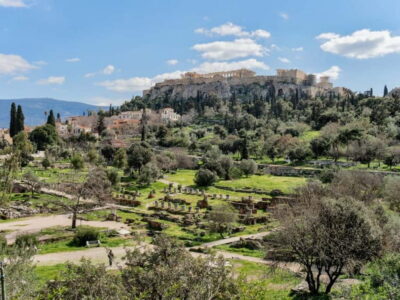
Acropolis & up to 5 Archaeological Sites Combo Pass
Read our review →
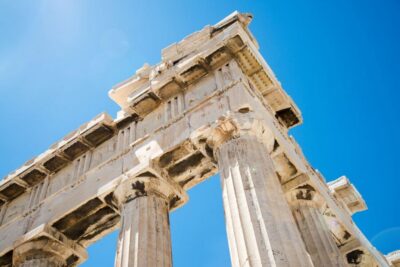
Acropolis, Parthenon & Acropolis Museum Guided Tour
Read our review →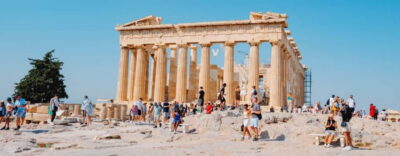
Acropolis, Parthenon & Acropolis Museum Guided Tour
Read our review →

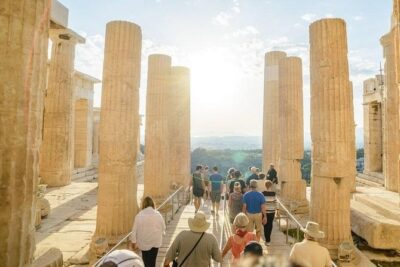
Acropolis monuments & Parthenon Walking Tour with Optional Acropolis Museum
Read our review →Browse the lists this tour appears in