
Reviewed · ATHENS ACROPOLIS TOURS
Acropolis Skip The Line Private Tour with Licensed Expert Guide
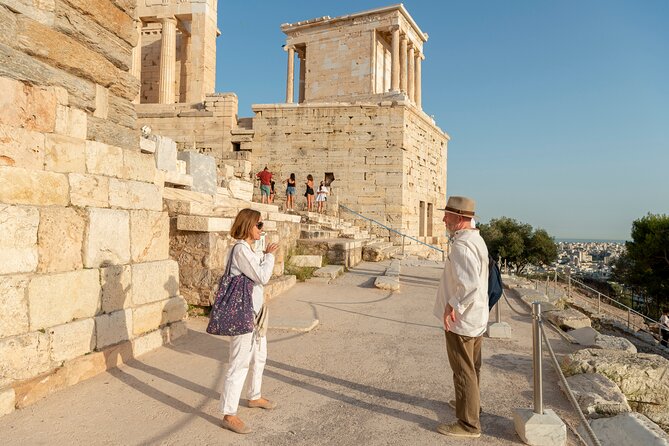
The best part of this Acropolis tour is the personal attention. Instead of trying to decode broken columns from a map, you have a licensed guide explaining the myths, ceremonies, architecture, and human stories behind them. Guides named in feedback include Kali, Vicky, Mondo, Marina, and Amaryllis, though your assigned guide will depend on the date.
I like the private format, which lets you stop for questions, photos, shade, or a breather without holding up a large group. I also like the choice of a standard visit, a Golden-Light tour, or a longer outing with Plaka, the Acropolis Museum, or Ancient Agora.
The main caution is cost. The listed price is $188.26 per person, and admission costs €35 per person unless you choose the ticket-included option. The uphill walk, uneven ground, heat, and crowds also require real stamina.
Key points to know before booking
- Meet beside the Acropolis Metro stop: The guide waits on Makrygianni Street near the main entrance, an easy place to reach by public transport.
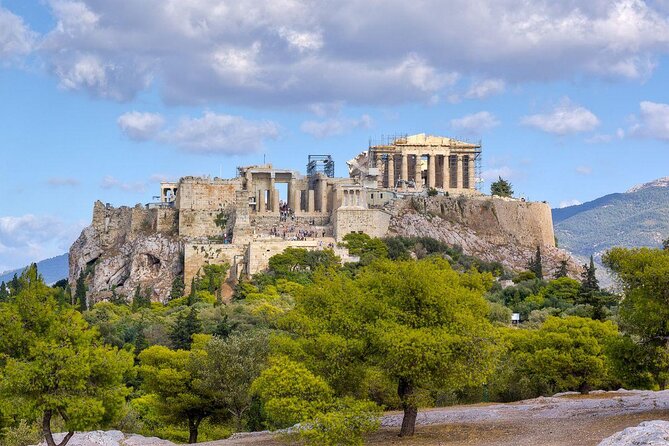
- See the major monuments in about 90 minutes: The route covers the Theatre of Dionysus, Propylaea, Temple of Athena Nike, Parthenon, Erechtheion, and Odeon of Herodes Atticus.
- Choose your pace: A private guide can add explanations, answer questions, find shade, and allow rest stops for older visitors or families.
- Golden-Light timing changes the mood: The special option is planned around the low afternoon light on the Acropolis plateau.
- Extend the visit to three hours: Add the Acropolis Museum, Ancient Agora, or Plaka. If you do not state a preference after booking, Plaka is selected.
- Check the ticket option carefully: Admission is included only with the appropriate booking choice. Otherwise, the €35 entrance fee is extra.
Why a private Acropolis visit can be worth the price
The Acropolis is easy to recognize and surprisingly hard to understand on your own. You see the Parthenon, snap a photo, and then wonder why another temple nearby mattered, why the buildings were placed where they are, or how much of the site belongs to different periods.
A licensed guide gives you a clear thread. The Acropolis becomes a religious center, civic symbol, theater district, military stronghold, and political statement rather than a collection of pale stones. The myths of Athena, the ancient plays performed below, and the ceremonies held around the temples give the hill a human scale.
The private setup matters most when the site is crowded. A guide can position your group for a better view, keep the route moving, and adjust explanations to your interests. You can ask about architecture, mythology, archaeology, or daily life without waiting for a whole coach group to catch up.
I would not call this a bargain for a short visit. At $188.26 per person, the price becomes easier to justify for a small group that wants a private guide, especially when divided among several people. But you must compare the total cost, because the standard price does not include admission unless you select the ticket-included option.
More ways to see the Acropolis:
- Athens: Acropolis & up to 5 Archaeological Sites Combo Pass
★ 4.4 · 12,619 reviews - Athens: Acropolis Ticket with Optional Audio or Live Guide
★ 4.2 · 11,055 reviews - Athens: Acropolis, Parthenon & Acropolis Museum Guided Tour
★ 4.8 · 9,316 reviews
Starting at Makrygianni Street near the Acropolis Metro
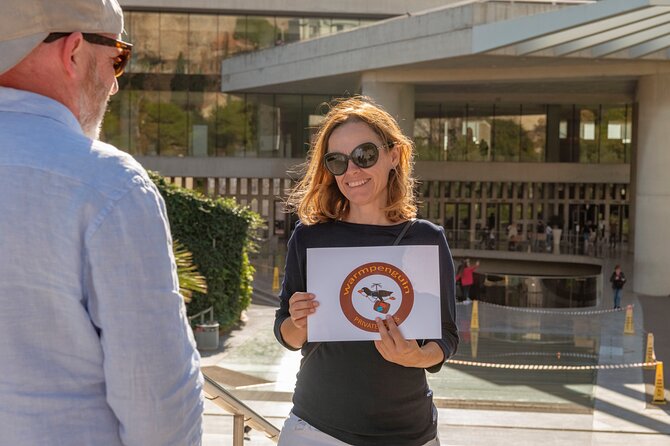
Your meeting point is Makrygianni 7, near the Acropolis Metro stop and around the corner from the main entrance. This is practical for first-time visitors because you begin beside one of Athens’ most useful transport links rather than hunting for a guide deep inside the archaeological site.
The first few minutes help you get your bearings. From the meeting area, the guide introduces the Acropolis wall and explains its connection with the earlier Mycenaean civilization. You also get the broad picture: why the hill mattered, how it functioned in ancient Athens, and what you are about to see.
That opening is valuable because the Acropolis can feel like a jumble of monuments at first. A short orientation helps you understand the hill as a planned sacred center. It also gives you a chance to confirm the meeting arrangement before the climb begins.
Theatre of Dionysus and the birth of Greek drama
The route first reaches the Theatre of Dionysus, built into the slope of the Acropolis. Its surviving stone seating gives you a sense of the original amphitheater, which could hold about 25,000 people.
This is one of the most useful stops for understanding ancient Greek culture. The theater was not simply a place for entertainment. Famous plays had their first performances here, and drama formed part of religious festivals honoring Dionysus.
Your guide can make the site easier to picture than the bare remains do on their own. Look across the seating and imagine a public event on a huge scale, with spectators watching tragedies and comedies in the open air. The stop is brief, so people fascinated by theater may want to ask extra questions before moving uphill.
Climbing through the Propylaea
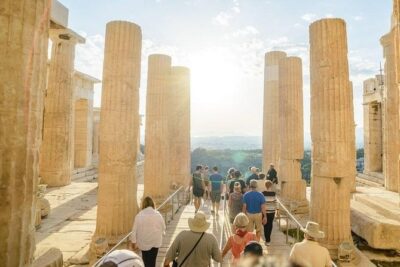
The uphill section continues toward the Propylaea, the monumental gateway to the Acropolis. This is the point where the route begins to feel more physically demanding, with steps, uneven surfaces, and exposed areas.
The Propylaea framed the arrival at the sacred plateau. In antiquity, visitors would have passed through this imposing entrance before reaching the temples. The guide uses the approach to explain the original view of the Acropolis and the enormous bronze statue of Athena that once greeted arrivals.
The story of Athena’s spear is especially memorable. According to legend, its tip could be seen flashing in sunlight by ships approaching Athens. It is the kind of detail that turns a large, distant monument into a scene with movement and drama.
Bring water and wear shoes suited to uneven stone. Feedback about the tour repeatedly points to the value of planned pauses, especially in hot or humid weather. Your guide may use a rest break to explain the site, which means slowing down does not have to feel like lost time.
More skip-the-line tickets in Athens:
- Essential Athens Highlights Plus Cape Sounion Skip-The-Line Tour
★ 5.0 · 705 reviews - Athens Skip the Line: Open Air Ancient Greek Theatre Performance
★ 4.5 · 520 reviews - Half Day Athens Private Tailor-Made City Tour (Skip the line of Acropolis)
★ 4.5 · 198 reviews - Acropolis Of Athens & Acropolis Museum Skip The Line Private Guided Tour
★ 5.0 · 102 reviews
Temple of Athena Nike above the city
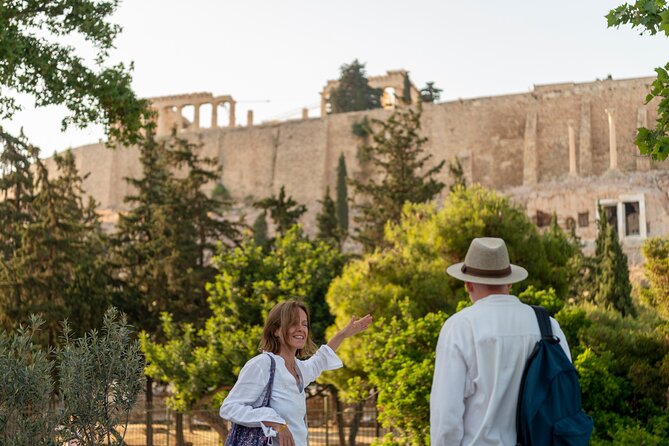
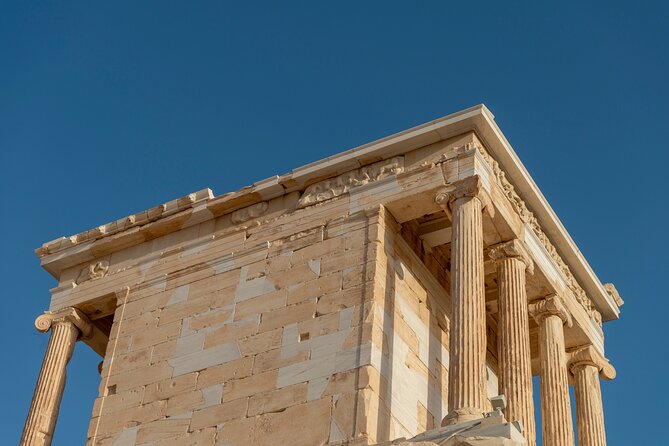
The small Temple of Athena Nike occupies a striking position near the entrance. Built around 420 BC, it is an early Classical Ionic temple dedicated to Athena in her role as bringer of victory.
Its location gives the monument unusual power. You are not looking at a huge building, but at a carefully placed temple with views over Athens. The setting helps explain why the Acropolis was both a sacred place and a symbol of the city’s strength.
Because the temple has been largely restored, it can be easier to read than some of the more fragmentary remains. This is a good place to ask your guide about Ionic design, the role of Athena, and how restoration affects the way ancient sites appear today.
The Parthenon, the essential stop
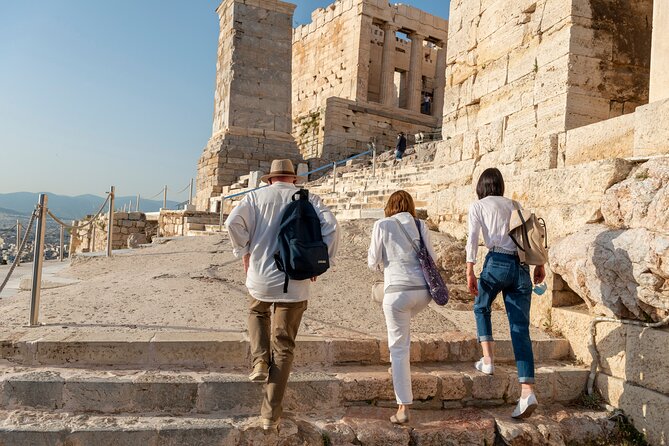
The Parthenon receives the longest stop, and rightly so. Built during the fifth century BC, it represented the confidence and ambition of Athens during its Classical golden age.
Your guide explains the temple’s construction, mythology, and role in worship. You can expect attention to both the visible structure and the ideas behind it. The Parthenon was not just a beautiful building. It was a statement about Athena, Athenian identity, civic power, and the skill of the architects and craftspeople who built it.
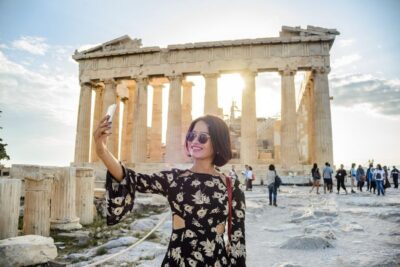
The site is often crowded, so the private format helps here. Your guide can steer you toward useful viewing points and explain details while you look at the monument itself. Several guides, including Vicky and Marina, were praised for finding good photo positions and helping with family pictures.
You will not have the Parthenon to yourself. That is the tradeoff at one of Europe’s most famous archaeological sites. A private guide cannot remove the crowds, but can help you spend less time confused by them.
The Erechtheion and its layered myths
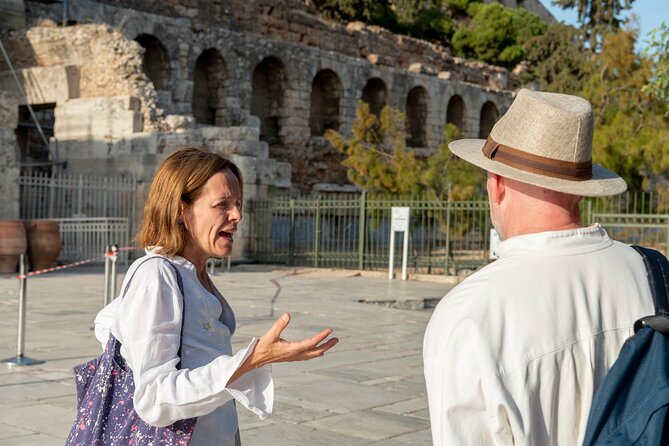
The Erechtheion is the second-largest temple on the Acropolis and one of the most visually distinctive. It was dedicated to several important figures in Athenian religion, including Athena and Poseidon, and its unusual design reflects the complicated sacred traditions attached to the hill.
This is where mythology becomes especially useful. Stories about Athena’s contest for Athens and the marks associated with Poseidon help explain why the building does not look like a simple, symmetrical temple.
The famous Caryatid figures are another highlight. The originals are now protected in the Acropolis Museum, while the figures on the monument are copies. A guide can point out what you are seeing on the hill and help connect it with the museum collection if you choose the three-hour option.
The Erechtheion rewards patience. Its irregular layout can confuse you if you are rushing past, but a clear explanation makes its odd angles and multiple sacred associations easier to understand.
Odeon of Herodes Atticus and the final view
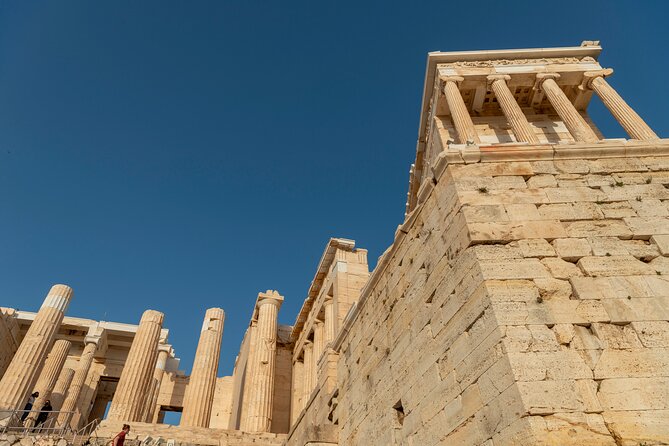
The route also includes the Odeon of Herodes Atticus, a marble theater built in AD 161 by Herodes Atticus in memory of his wife. Unlike many ancient structures, it remains a working theater.
You view the Odeon from outside rather than wandering freely through its seating. Even so, the scale and polished stone are impressive, and its continued use links ancient performance with modern Athens.
The standard Acropolis-only and Golden-Light options end inside the Acropolis after the monuments have been covered. Your guide says goodbye there, leaving you free to stay for photographs and city views. This is a useful design choice because you do not have to leave the site immediately after the guided portion ends.
Golden-Light timing for softer photos
The Golden-Light option schedules the visit around the lower light of afternoon, aiming for the warm effects that make the stone appear less harsh. This is especially appealing if photography matters to you or if you want a calmer atmosphere than the bright midday sun provides.
The timing is not just about pictures. Athens can be punishing in the heat, and lower light may make the walk more comfortable. Still, the exact feel depends on the season, weather, and crowd levels, so you should not expect an empty Acropolis.
Guides such as Vicky were praised for combining the evening light with family photos, local suggestions, and explanations that kept both adults and teenagers engaged. If you choose this option, confirm the exact start time and make sure it fits your dinner or evening plans.
The three-hour option: Museum, Ancient Agora, or Plaka
The tailored three-hour choice adds one site after the Acropolis. You can request the Acropolis Museum, Ancient Agora, or Plaka.
The Acropolis Museum is the strongest match if you want to understand sculpture and decoration that cannot be fully appreciated on the hill. It also lets you see the original Caryatids and examine artifacts with more protection and context.
Ancient Agora adds a different side of Athens. The Acropolis shows religion and monumental architecture, while the Agora helps explain civic life, public debate, commerce, and ordinary movement through the city.
Plaka offers a neighborhood-based ending with streets, shops, restaurants, and local atmosphere. Some versions include food, but you should confirm exactly what your selected option covers. If you do not send a preference, Plaka is the default choice for the three-hour option.
The longer visit is best for a first full day in Athens when you want a connected introduction rather than a single monument. It is less suitable if you have a tight cruise schedule or simply want time to explore the Acropolis alone afterward.
Pace, heat, and family comfort
This is not a flat city walk. The Acropolis involves uphill walking, steps, uneven surfaces, and exposure to heat. One family completed the route on a hot, humid day with frequent pauses for water and shade, while older visitors appreciated a slower pace.
The private format gives your guide room to adjust. Guides have helped slow walkers, families with teenagers, and multigenerational groups stay engaged without forcing everyone to move at the same speed.
Most people can participate, and service animals are allowed. The information also specifies that the site is near public transport. It does not promise a fully accessible route, so anyone with significant mobility concerns should ask the operator for current site conditions before booking.
For comfort, I would schedule this early or select the Golden-Light timing rather than the hottest part of the day. Carry water, protect yourself from the sun, and allow extra time if your group needs frequent breaks.
What the guide adds to the experience
The strongest part of this tour is not the number of monuments. It is the way a good guide connects them.
Guides such as Kali, Mondo, Katarina, Rhea, Marina, Amaryllis, Becky, and Vicky received strong praise for clear explanations, patience, enthusiasm, and help with photos. The useful pattern is not a particular personality. It is the combination of official licensing, subject knowledge, and the freedom to tailor the visit to your group.
Some guides use books and pictures to make missing sculptures or former buildings easier to understand. Others help families find shade, navigate crowds, choose photo spots, or plan the rest of their time in Athens.
For groups of six or more, a whisper communication system is included. That helps you hear the guide without requiring everyone to stand shoulder to shoulder, though it cannot remove the noise and movement of a busy archaeological site.
Price, tickets, and cancellation terms
The listed price is $188.26 per person. Admission is separate unless you select the option that includes tickets, and the stated entrance fee is €35 per person. The operator can arrange skip-the-line tickets by request for other options at an extra cost, so ask for the full total before paying.
That distinction matters. A low headline price can change once tickets are added, especially for a family. The private format is easiest to justify for a small group that values direct attention, a flexible pace, and a licensed guide rather than the lowest possible cost.
Free cancellation is available up to 24 hours before the start time. Changes or cancellations made less than 24 hours before the tour are not accepted for a refund, and cut-off times use local Athens time.
Who should book this Acropolis tour?
I would choose it if you are visiting Athens for the first time, care about ancient history, or want the site explained rather than simply photographed. It is also a strong fit for families, older adults who need pauses, and small groups that dislike the rigid pace of a large tour.
The 90-minute format works well when the Acropolis is one part of a busy day. Choose the Golden-Light option if the time suits your schedule and you care about softer photos. Choose the three-hour version if you want the Acropolis linked with the Museum, Ancient Agora, or Plaka.
I would hesitate if you are watching every euro, already understand Classical Greek archaeology, or prefer to wander without a guide. You should also reconsider if steep, uneven walking is difficult for you and you have not confirmed current conditions.
For most first-time visitors, the value lies in the explanation and flexibility, not in the promise of skipping every crowd. Book it with the ticket option clearly understood, bring water, and use the private format to ask questions and set a comfortable pace.
FAQ
Where does the Acropolis tour begin?
It begins at Makrygianni 7 on Makrygianni Street, near the Acropolis Metro stop and around the corner from the Acropolis main entrance.
Where does the standard tour end?
The Acropolis-only and Golden-Light options end inside the Acropolis after the monuments have been visited. You can remain there for views and photographs.
How long is the standard private tour?
The standard private guided visit lasts about 90 minutes, although the overall experience is described as approximately two hours.
Are Acropolis admission tickets included?
Tickets are included only when you select the booking option that includes admission. Otherwise, the stated entrance fee is €35 per person.
Can I request skip-the-line tickets?
Yes. For options without included admission, skip-the-line tickets may be arranged by request at an additional cost.
What monuments does the route cover?
The route includes the Theatre of Dionysus, Propylaea, Temple of Athena Nike, Parthenon, Erechtheion, and Odeon of Herodes Atticus.
What is the Golden-Light option?
It is a 90-minute Acropolis tour timed for the special low-light effects of the afternoon, with an emphasis on the changing light over the plateau.
What can I add to the three-hour tour?
You can add the Acropolis Museum, Ancient Agora, or Plaka Neighborhood. If you do not state a preference after booking, the tour uses Plaka.
Is the tour suitable for families?
Yes. The guides work with children, teenagers, adults, and multigenerational families and can adapt the pace and explanations.
Is there a cancellation policy?
You can cancel up to 24 hours before the start time for a full refund. Cancellations or changes made less than 24 hours before the experience are not accepted for a refund.
Newly reviewed around Athens
- Athens: workshop for painting landscape with local artist★ 4.6 · 3 reviews
- Athens: Greek Wine & Olive Oil Tasting at Brettos Plaka★ 4.5 · 3 reviews
- Outdoor Yoga and Pilates with Akropolis view★ 4.0 · 5 reviews
- Acropolis of Athens: 60′ Tour in a Vintage Motorcycle★ 5.0 · 4 reviews
- Ultimate Tasting of the Volcanic Wines of Greece★ 5.0 · 3 reviews
- workshop for painting acropolis/landscape with local artist★ 5.0 · 3 reviews
- Athens at Twilight Night Tour with Drinks and Meze Dishes★ 4.8 · 4 reviews
- Breakfast in the markets with olive oil and honey tasting★ 4.8 · 8 reviews
Athens Acropolis Tours, compared.
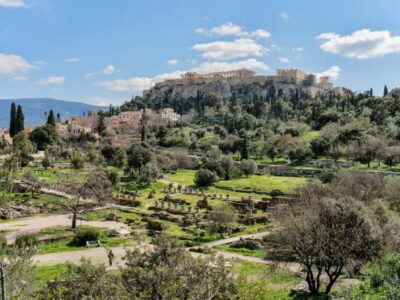
Acropolis & up to 5 Archaeological Sites Combo Pass
Read our review →
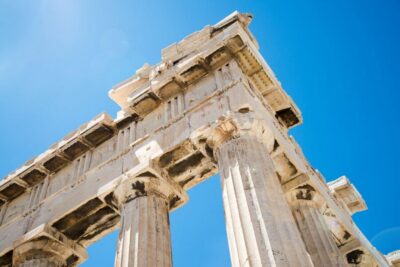
Acropolis, Parthenon & Acropolis Museum Guided Tour
Read our review →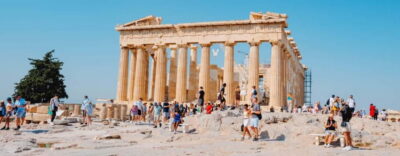
Acropolis, Parthenon & Acropolis Museum Guided Tour
Read our review →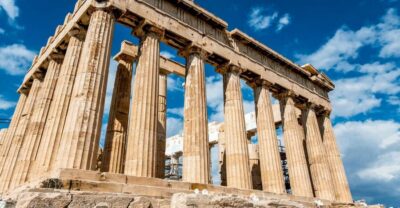
Acropolis monuments & Parthenon Walking Tour with Optional Acropolis Museum
Read our review →Browse the lists this tour appears in