
Reviewed · ATHENS ACROPOLIS TOURS
Acropolis Monuments guided tour with German Speaking Guide
The best reason to book this tour is simple: the Acropolis makes far more sense when someone explains what you’re seeing. A German-speaking licensed archaeologist leads you from the Theater of Dionysus to the Parthenon, connecting broken stones, missing sculptures, and old temples to more than 2,500 years of Athenian history.
I like the small-group format and the focus on the monuments rather than a long city walk. I also like that the guide’s job is interpretation, not just pointing at famous ruins. Selina, one named guide, is praised for explaining the five eras of the Acropolis in clear, friendly German and for answering questions fully.
The main catch is that the advertised $46.26 price does not necessarily include Acropolis admission. Check which booking option you choose, and budget for the entrance ticket if it is separate. You also need moderate fitness for the uphill archaeological site and its uneven surfaces.
Key points at a glance
- German-speaking archaeological guidance: You receive a tour led by a licensed guide with archaeological training, rather than a basic escort.
- Theater of Dionysus first: See the place associated with the earliest theater tradition before climbing toward the hilltop monuments.
- The Parthenon gets proper attention: Plan on roughly 45 minutes focused on Athens’ great temple.
- Five historical eras explained: The tour connects the Acropolis to changing periods instead of treating it as one frozen Greek ruin.
- Afternoon timing: The walk is scheduled for about two hours and begins near Acropolis metro station.
- Ticket choice matters: Admission is extra unless you specifically book the option that includes entrance.
Why a guided Acropolis visit helps
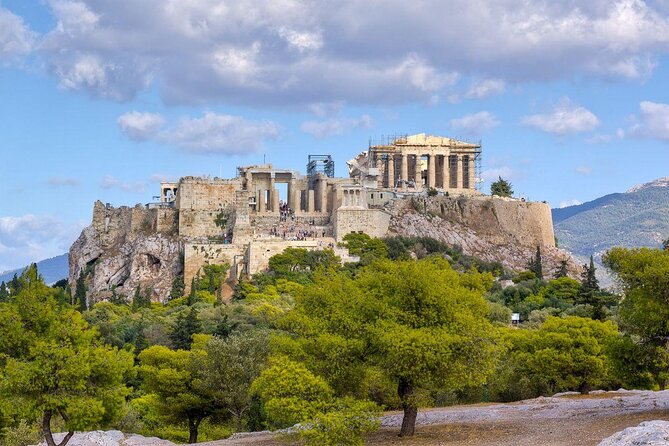
The Acropolis is not hard to recognize. The Parthenon is right there, rising above Athens. The harder part is understanding why the hill contains several buildings from different periods, why some structures look incomplete, and how temples, theaters, gateways, and sacred spaces worked together.
That is where this experience earns its fee. Your guide can turn a pile of columns into a sequence of decisions, beliefs, repairs, wars, and changing uses. The guide also helps you separate the Parthenon from the Erechtheum, the Propylaea, the Temple of Athena Nike, and the Odeon of Herodes Atticus.
The feedback attached to this tour gives a useful clue about the teaching style to expect. Selina is praised for presenting the five eras of the Acropolis in a fresh, understandable way, without becoming too academic. That balance matters here. You want enough explanation to see the place clearly, but not a lecture so dense that you stop looking around.
One German-language assessment also makes a practical point: without guidance, the crowds and the many buildings can make it difficult to understand what you are seeing. I agree with the underlying advice. You can walk around alone, but a guide gives the stones a usable order.
More ways to see the Acropolis:
- Athens: Acropolis & up to 5 Archaeological Sites Combo Pass
★ 4.4 · 12,619 reviews - Athens: Acropolis Ticket with Optional Audio or Live Guide
★ 4.2 · 11,055 reviews - Athens: Acropolis, Parthenon & Acropolis Museum Guided Tour
★ 4.8 · 9,316 reviews
Meeting near Acropolis metro station
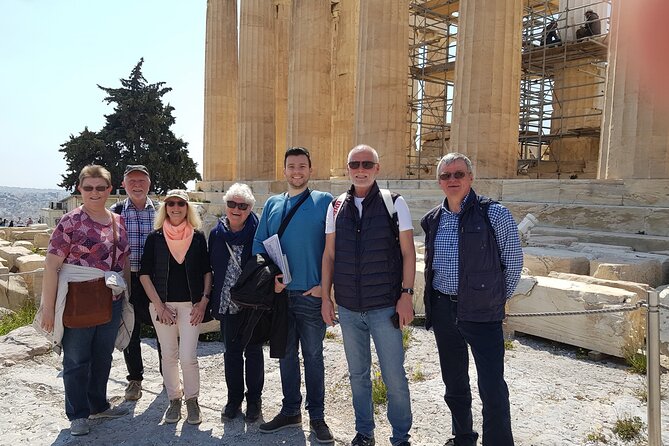
The meeting point is in the Acropolis area, listed as Porinou 5 and also as Athanasiou Diakou Street 16, in the Athens Walks offices. The instructions place it about five minutes from Acropolis metro station.
That is convenient if you are staying in central Athens or arriving by public transportation. Do not treat the meeting point as the entrance gate itself. Allow time to find the office, show your paper or electronic voucher, and join the group before departure.
The supplied details list maximum group sizes of both 25 and 50 people. Since those figures conflict, I would ask the operator for the expected group size before booking if group size is important to you. Either way, the tour is designed as a guided group walk, not a private visit.
There is no hotel pickup or drop-off. You need to reach the meeting point yourself, and the tour ends there after the Acropolis visit. That keeps the price lower, but it means you should plan your own route back to your hotel, restaurant, or next sight.
Starting with the Theater of Dionysus
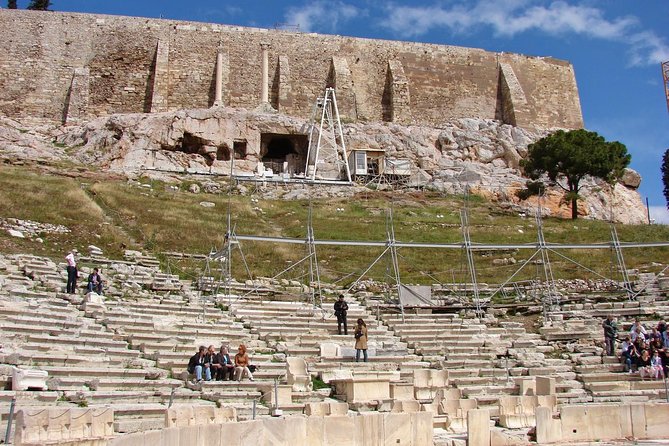
The Theater of Dionysus is one of the first important stops, with about 15 minutes assigned to it. This is a smart opening because it introduces the Acropolis as a working sacred and civic center, not only as the home of the Parthenon.
Your guide can help you picture the role of performance in ancient Athens and explain why the theater belongs in the story of the hill. It also gives you a chance to see a major monument before the tour moves higher.
Fifteen minutes is enough for a focused explanation and photographs, but not for a long study of every surviving detail. That is typical of a two-hour route. You are getting a strong overview, not a slow archaeological survey.
The Theater of Dionysus also helps pace the walk. Rather than arriving at the top and facing every famous building at once, you begin with one clear subject and then build upward through the site.
The Asclepius sanctuary and Herodes Atticus Odeon
The tour overview includes the Healing Temple of Asclepius and the Odeon of Herodes Atticus. These places broaden the visit beyond the standard Parthenon photograph.
The sanctuary of Asclepius introduces the healing side of ancient religious life. It reminds you that the Acropolis was connected with practical hopes and rituals, not just grand political monuments.
The Odeon of Herodes Atticus shows another layer of the site’s long use. Its surviving structure is especially useful for understanding performance spaces and later additions around the sacred hill. The tour description groups it with the other Acropolis monuments, so your guide should place it within the larger sequence as you walk.
The supplied itinerary gives 15 minutes to the Theater of Dionysus and the wider monument section, but not a separate time for each named structure. That means you should expect concise stops. If you want detailed discussion of every sanctuary, inscription, or architectural fragment, a longer specialist tour would suit you better.
A few more Athens tours worth putting side by side
- Athens: Acropolis and Parthenon Guided Walking Tour
★ 4.6 · 5,882 reviews - Athens: Cape Sounio & Poseidon Temple Trip with Audio Guide
★ 4.4 · 4,521 reviews - Athens: Mythology of Delphi, Museum and Arachova Guided Tour
★ 4.6 · 4,008 reviews - Athens: Acropolis, Parthenon & Acropolis Museum Guided Tour
★ 4.8 · 3,579 reviews
Passing through the Propylaea and Temple of Athena Nike
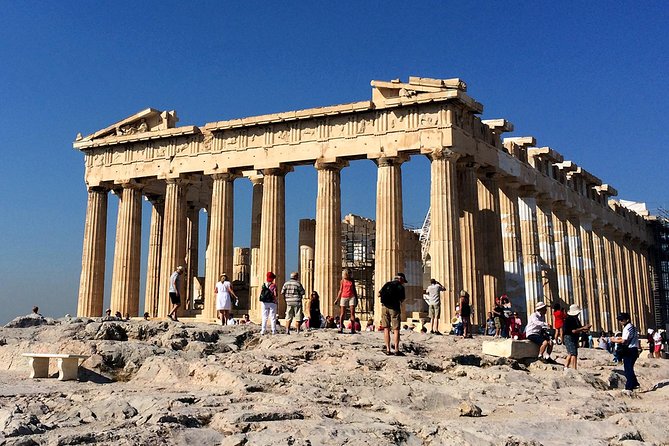
The Propylaea was the grand gateway to the Acropolis. It is not simply a doorway you pass through on the way to the Parthenon. Its scale and design helped frame the arrival at the sacred hilltop.
A guide can show you how the entrance shaped the visitor’s approach and explain why a gateway deserves attention alongside a temple. This is one of the places where a short tour can benefit from expert commentary. Without it, you might hurry through while watching the people ahead of you.
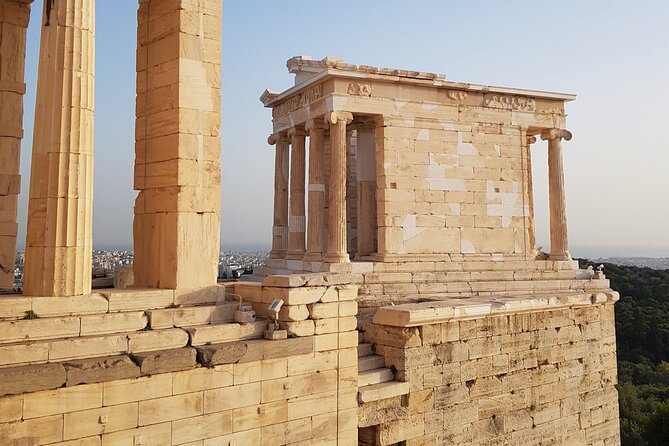
The Temple of Athena Nike is also included. Its name refers to wingless victory, a compact idea with a memorable meaning. The temple gives you another example of how worship, civic identity, and architectural design came together in ancient Athens.
These stops are shorter than the Parthenon portion, but they help prevent the tour from becoming a one-monument visit. You see the approach, the smaller temple, and the ceremonial setting before reaching the hilltop’s main structure.
The Erechtheum and the Caryatids
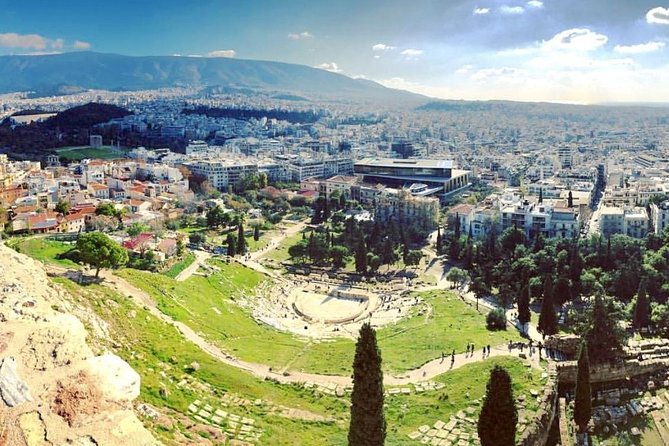
The Erechtheum receives about 15 minutes in the listed route. It is one of the most visually distinctive buildings on the Acropolis, especially because of the Porch of the Caryatids.
The caryatids are sculpted female figures used as architectural supports. The original pieces have a complicated preservation story, and the porch you see at the Acropolis is not a simple untouched survival. The tour description specifically calls attention to the remains of the porch, so your guide can help you understand what is original, what is represented, and why the figures matter.
The Erechtheum is also a good counterpoint to the Parthenon. The Parthenon is broad, symmetrical, and immediately familiar. The Erechtheum feels more irregular, with different levels and sacred associations. A German-speaking archaeologist can explain that contrast without reducing the building to a quick photo stop.
Again, the time is limited. You can expect a concentrated explanation rather than an extended inspection of every side of the temple. Stay close to the guide, especially if the group is spread out around the viewing area.
Forty-five minutes with the Parthenon
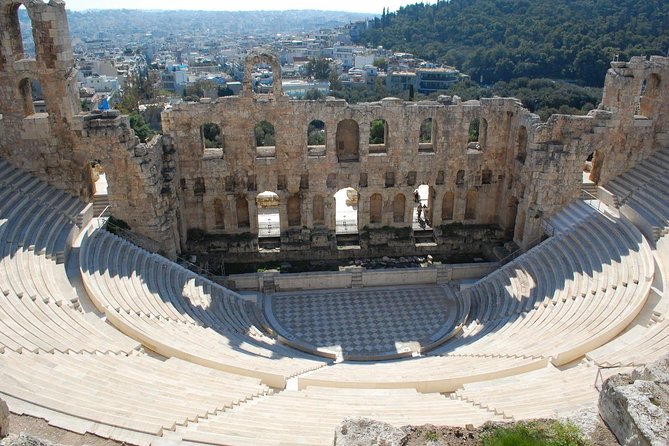
The Parthenon is the centerpiece, and the itinerary assigns roughly 45 minutes to it. That is enough time for a meaningful explanation of the temple’s purpose, design, sculpture, and place in Athenian history, while still keeping the visit within two hours.
You will see the temple from the Acropolis and take in the broad view over Athens. The tour description presents the Parthenon as the crowning monument of the visit, and that is the right order of emphasis. The earlier stops give you context, then the main temple receives the longest single block of attention.
A good guide should help you look beyond the familiar outline. Notice the surviving columns, the sculptural program, the position of the temple on the hill, and the ways later generations changed, damaged, or reused the site. You should also have a chance to ask questions. Selina is specifically praised for answering questions completely and including participants in a respectful way.
The best views are not only for photographs. They show why this hill mattered. From the Acropolis, you can see much of Athens, and the position explains the monument’s continuing power. Bring your attention back from the skyline to the structure itself. The view is a bonus, not the whole visit.
What the two-hour schedule really means
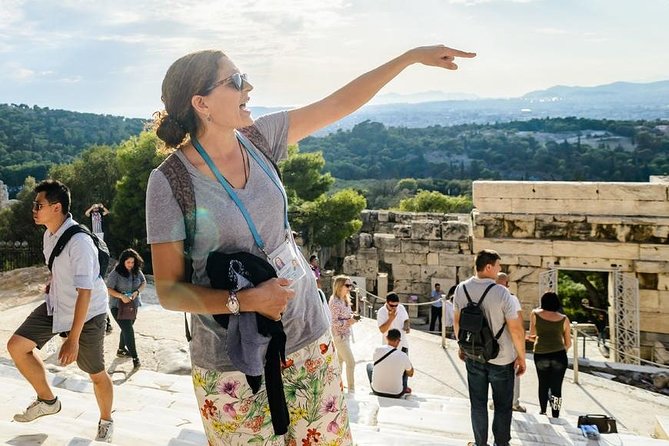
Two hours is a useful middle ground. It is long enough to cover the principal monuments with a guide, but short enough to fit into a busy Athens day.
You should expect a steady walking pace, several stops, and a clear route through the site. The tour is not designed for sitting, lingering over lunch, or wandering off to examine every corner. Moderate physical fitness is required, and the Acropolis includes an uphill approach and uneven archaeological ground.
The afternoon schedule may work well after a morning museum visit or a slower meal. You still need to account for heat, sun, and the energy required by the climb, even though the tour itself lasts only about two hours. Wear sensible shoes and bring water. The supplied dress instructions are inconsistent, listing both formal and smart casual clothing. I would choose neat, comfortable clothes that respect a major religious and cultural site.
A mobile ticket is convenient. You can present an electronic voucher, so there is no need to print unless you prefer paper. Keep the voucher easy to reach at the meeting point.
Price, admission, and overall value
At $46.26 per person, the tour can be good value if you want German-language interpretation and a guided route through the Acropolis. The price pays for the licensed guide and the structure of the visit, not simply for transportation or a quick escort.
The important detail is admission. Entrance to the Parthenon and Acropolis monuments is not included in the base option unless you choose the booking option with entrance tickets. Read that selection carefully before paying. A low headline price becomes less useful if you assume the ticket is covered and discover otherwise on the day.
There is no pickup service, which is reasonable for a central Athens attraction. You can reach the office by metro and avoid paying for a vehicle that would likely be slowed by city traffic.
Value depends on your language and travel style. If you speak German comfortably and want an archaeologist to explain the site, this is a sensible purchase. If you mainly need admission and prefer to read signs at your own pace, the guided portion may be less important to you.
The strongest value comes from the way the tour organizes the monuments. It gives you a story that begins at the theater, passes through the gateway and smaller temple, pauses at the Erechtheum, and finishes with the Parthenon. That order can help you remember the Acropolis after the photographs are gone.
Who should choose this tour
I would recommend it most strongly to German-speaking visitors who want clear explanations without a highly technical academic lecture. The feedback about Selina suggests a guide who can make the material understandable, answer questions, and keep the whole group involved.
It also suits first-time visitors who feel that an enormous archaeological site might be confusing. The Acropolis is famous, but fame does not tell you which building is which. A guide provides the basic map in your head.
Families with older children may also find the structure useful, provided everyone can manage the walking. The tour has no stated special child program, so younger children who need frequent breaks may find the pace demanding.
Independent history specialists may want more time. The two-hour format necessarily leaves out detailed treatment of inscriptions, conservation, construction methods, and every historical period. You can still use the tour as an introduction, then return independently if your ticket and schedule allow.
The activity permits service animals, and public transportation is nearby. A current passport or ID is required on the day for people under 25, so bring the required identification rather than assuming a digital booking confirmation is enough.
Cancellation and booking advice
Free cancellation is available up to 24 hours before the scheduled start time for a full refund. Cancellations or changes made within 24 hours are not accepted for a refund, and the cut-off follows local Athens time.
The tour is often reserved well ahead, with an average booking lead time of about 50 days. That does not guarantee every date sells out, but it tells you that advance planning is sensible, especially if you need a German-speaking guide on a particular afternoon.
Before confirming, check three things: the exact meeting address, the expected group size, and whether your selected option includes the entrance ticket. Those details matter more than a small difference in price.
Should you book this Acropolis tour?
Book it if you want the Acropolis explained in German by a licensed archaeological guide, prefer a focused two-hour route, and value seeing more than just the Parthenon. The attention to the Theater of Dionysus, Temple of Athena Nike, Propylaea, Erechtheum, and Odeon gives the visit useful breadth.
Skip it if you want a private pace, a long specialist lecture, or a ticket-only visit. Also skip it if the extra admission cost creates confusion and you are not prepared to check the booking option carefully.
For most German-speaking first-time visitors, I would choose the tour, arrive early at the Athens Walks office, wear comfortable shoes, and bring identification if you are under 25. With the right expectations, the guide can turn a famous hilltop into a readable, memorable place.
FAQ
Where does the Acropolis tour meet?
The meeting point is at the Athens Walks offices near Acropolis metro station. The details list Porinou 5 and Athanasiou Diakou Street 16, about a five-minute walk from the station.
Where does the tour finish?
The activity ends back at the meeting point.
How long does the tour last?
The guided walking tour lasts approximately two hours.
Is the tour conducted in German?
Yes. The experience includes a German-speaking licensed guide and archaeologist.
Is Acropolis admission included?
Admission is not included unless you book the option with entrance tickets. Check the selected option before booking.
Is the Parthenon included in the route?
Yes. The route includes the Parthenon, with about 45 minutes assigned to the monument.
What other monuments are included?
The route includes the Theater of Dionysus, the Healing Temple of Asclepius, the Odeon of Herodes Atticus, the Temple of Athena Nike, the Propylaea, the Erechtheum, and the Porch of the Caryatids.
Is hotel pickup provided?
No. Pick-up and drop-off service are not included.
Can I show a mobile voucher?
Yes. You can present either a paper voucher or an electronic voucher.
What happens if I need to cancel?
You can cancel up to 24 hours before the start time for a full refund. Cancellations or changes made less than 24 hours before the start are not accepted for a refund.
Newly reviewed around Athens
- Athens: workshop for painting landscape with local artist★ 4.6 · 3 reviews
- Athens: Greek Wine & Olive Oil Tasting at Brettos Plaka★ 4.5 · 3 reviews
- Outdoor Yoga and Pilates with Akropolis view★ 4.0 · 5 reviews
- Acropolis of Athens: 60′ Tour in a Vintage Motorcycle★ 5.0 · 4 reviews
- Ultimate Tasting of the Volcanic Wines of Greece★ 5.0 · 3 reviews
- workshop for painting acropolis/landscape with local artist★ 5.0 · 3 reviews
- Athens at Twilight Night Tour with Drinks and Meze Dishes★ 4.8 · 4 reviews
- Breakfast in the markets with olive oil and honey tasting★ 4.8 · 8 reviews
Athens Acropolis Tours, compared.
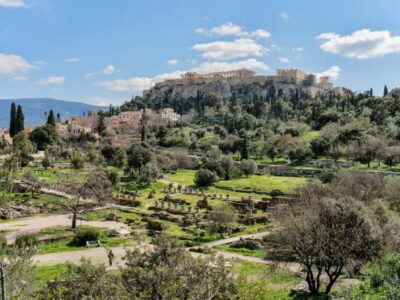
Acropolis & up to 5 Archaeological Sites Combo Pass
Read our review →
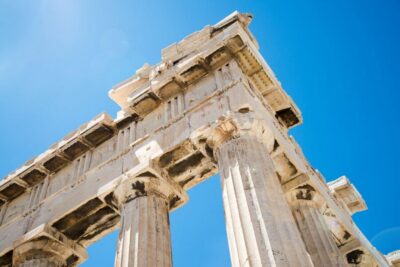
Acropolis, Parthenon & Acropolis Museum Guided Tour
Read our review →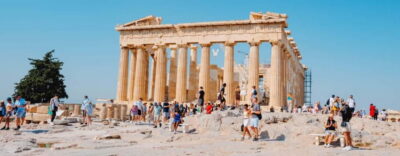
Acropolis, Parthenon & Acropolis Museum Guided Tour
Read our review →

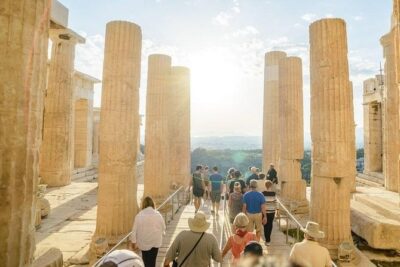
Acropolis monuments & Parthenon Walking Tour with Optional Acropolis Museum
Read our review →Browse the lists this tour appears in