
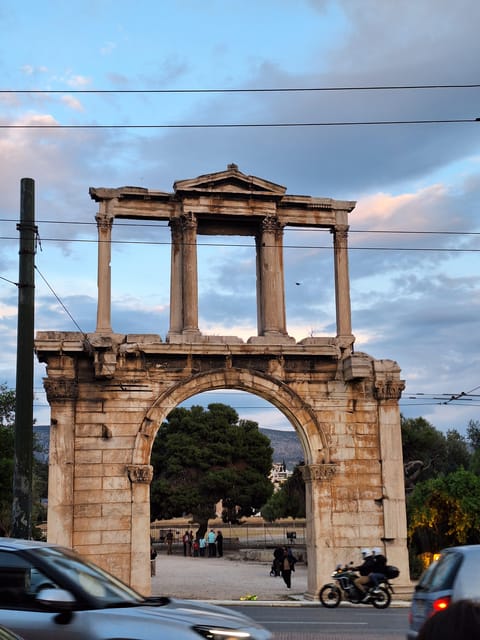
Reviewed · ATHENS WALKING TOURS
Highlights and Hidden Gems of Athens Walking Tour
Athens reveals itself best on foot, and this tour connects its grandest sights with the streets and corners between them. In two hours, you move from the Acropolis area to Areopagus Hill, the Ancient Agora, the Roman Forum, Monastiraki, Plaka, and Makrygianni.
I like the clear city overview and the chance to hear archaeology, myths, food ideas, and museum advice in one walk. I also like the high viewpoint from Areopagus Hill, which gives you a useful first look at central Athens.
The main caution is the short running time. One experience felt light on detail and mainly circled the Acropolis, so the quality depends greatly on the guide leading your group. Matina, named in one five-star account, was praised for her calm style and for keeping a child comfortable.
Key points at a glance
- More than 15 monuments in two hours: A fast orientation walk through Athens’ most important central districts.
- Dionysiou Areopagitou Street: A handsome pedestrian route beside major archaeological sites and the Acropolis.
- Areopagus Hill viewpoint: A short climb brings wide views and a good photo stop.
- Ancient Agora and Roman Forum: You see the civic heart of ancient and Roman Athens from the surrounding streets.
- Plaka and Monastiraki: The route shifts from ancient stones to lively neighborhoods, shops, cafés, and squares.
- Makrygianni finish: You end near restaurants, cafés, and the Acropolis metro station, handy for continuing your day.
Why this walk is useful on a first day in Athens
Athens can feel scattered at first. The Acropolis rises above the center, but the Ancient Agora, Roman Forum, Plaka, Monastiraki, museums, and food streets spread around it. A walking tour helps you understand how these places fit together before you return on your own.
This route is less about entering every monument and more about putting the city into focus. You get a guide’s explanation of what you are seeing, hear myths tied to ancient buildings, and pick up ideas for museums, meals, bars, and later sightseeing.
That makes the tour especially useful near the start of a stay. You can note places that deserve a longer visit, then return with more purpose. The two-hour length also leaves room for lunch, a museum, or time inside the Acropolis afterward.
The experience is conducted in English, with a live guide. It is wheelchair accessible, although the Areopagus Hill portion deserves a practical check if uneven or sloping ground is difficult for you. The supplied details do not explain the exact route condition or how far the climb goes.
More walking tours in Athens:
- Athens: Acropolis and Parthenon Guided Walking Tour
★ 4.6 · 5,882 reviews - Greek Food Walking Tour in Athens
★ 5.0 · 4,740 reviews - Acropolis: Acropolis and Parthenon Guided Walking Tour
★ 4.7 · 3,442 reviews
Starting at Makrygianni Street by the Acropolis metro
The meeting point is outside the Acropolis metro station on Makrigianni Street. This is a pedestrianized street lined with restaurants and cafés, so it is an easy place to identify and a useful spot for a coffee before the walk.
Starting here puts you close to the Acropolis without beginning inside the busiest archaeological zone. You are already in one of Athens’ most visited areas, but the tour aims to show how the major sights connect rather than simply take you to the entrance gate.
This location also helps with the rest of your day. The Acropolis metro station is nearby, and the walk ends close to the same general area. If you arrive early, allow enough time to find the guide outside the station and avoid arriving at the last minute.
The price is $43 per person. For a two-hour private-style explanation of the city’s monuments, myths, and neighborhoods, that can be fair value if your guide gives the promised level of detail. It is less attractive if you mainly walk around the Acropolis without much interpretation, which is why the guide matters here.
Walking Dionysiou Areopagitou Street
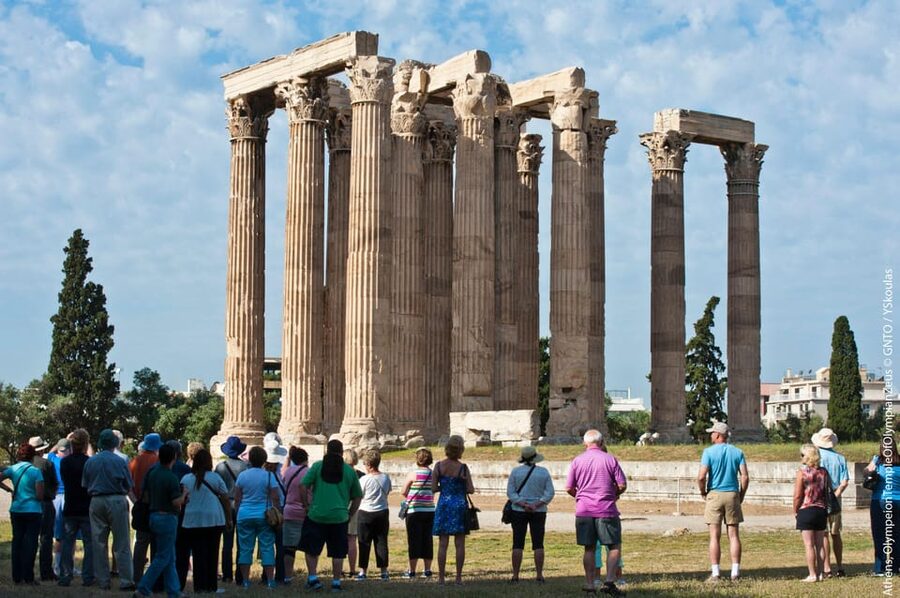
The first major stretch follows Dionysiou Areopagitou Street, one of Athens’ most impressive pedestrian routes. It curves around the Acropolis and passes several of the city’s best-known archaeological sights.
The street has an unusually polished feel for a route beside ancient ruins. Its broad walking space and views toward the Acropolis make it a pleasant way to begin, while the nearby museums and monuments give the guide plenty to explain.
You should expect commentary on the Parthenon and the wider Acropolis setting, not just a quick photo stop. The guide is meant to explain facts, myths, and the stories behind the monuments. That mix can make the stones easier to understand, especially if this is your first visit to Greece.
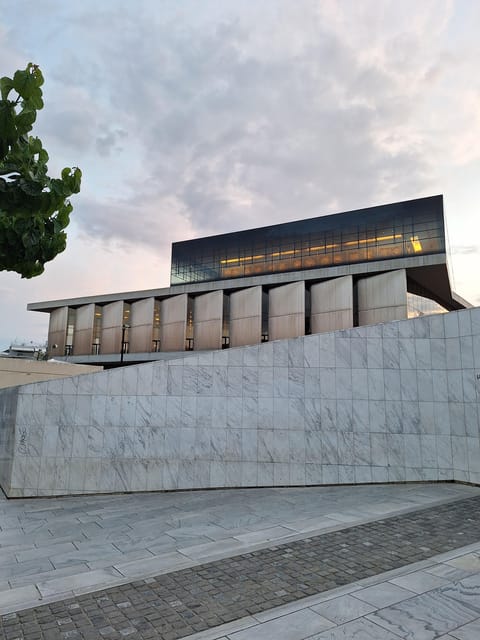
The New Acropolis Museum is along this area. The tour does not include museum admission, but the guide can help you judge if it belongs on your schedule. If you have limited time in Athens, the museum is an obvious follow-up because it gives more context to the sculptures and buildings seen from the street.
The Odeon of Herodes Atticus is another major sight in this part of the route. Its surviving stone structure is a reminder that ancient Athens was also a city of performance and public gatherings. You should not expect a full interior visit from the information provided, but the exterior gives the guide a strong subject for explaining Roman-era Athens.
Climbing Areopagus Hill for the city view
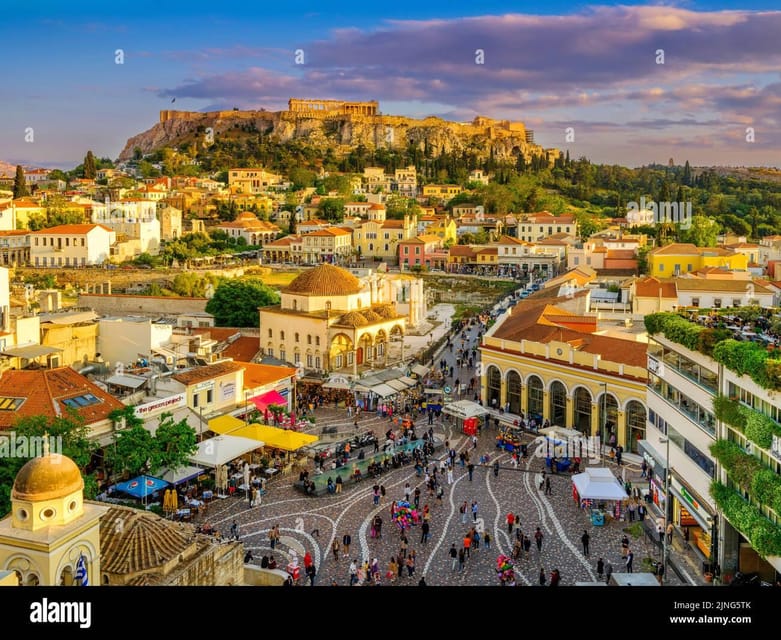
Areopagus Hill is the tour’s clearest change of pace. You leave the main street and climb to a viewpoint connected with one of the world’s oldest law courts.
The reward is a broad view over Athens and a strong place for photographs. This is more than a scenic pause. From above, you can see how the Acropolis dominates the center and how the modern city spreads around the ancient core.
The climb is short enough to fit into a two-hour walk, but it may be the least comfortable section for anyone with mobility concerns. The activity is described as wheelchair accessible, yet the information does not explain whether every part of the hill route is suitable for every wheelchair. If this matters to you, ask the provider before booking.
I like this stop because it gives you orientation in a physical way. After the walk, you can better understand the direction of the Agora, Monastiraki, and Plaka. It is also a good moment to pause, take photos, and let the guide connect the site’s legal history with the myths associated with Athens.
A different kind of day out from Athens:
- Athens: Acropolis & up to 5 Archaeological Sites Combo Pass
★ 4.4 · 12,619 reviews - Athens: Acropolis Ticket with Optional Audio or Live Guide
★ 4.2 · 11,055 reviews - Athens: Acropolis, Parthenon & Acropolis Museum Guided Tour
★ 4.8 · 9,316 reviews - Athens: Cape Sounion & Poseidon Temple Sunset Half-Day Trip
★ 4.8 · 8,241 reviews
The Ancient Agora and the Roman Forum
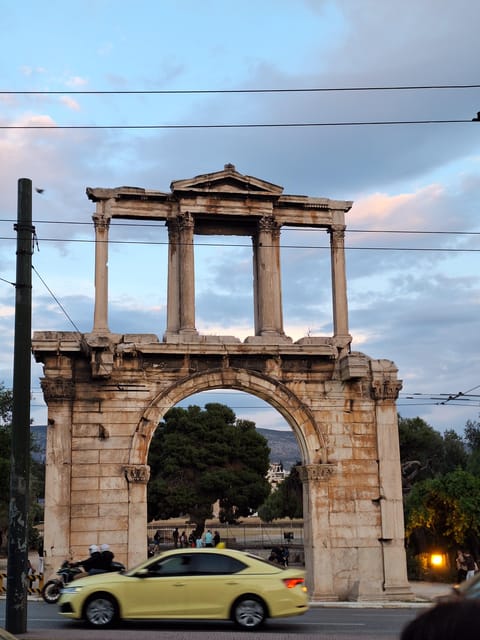
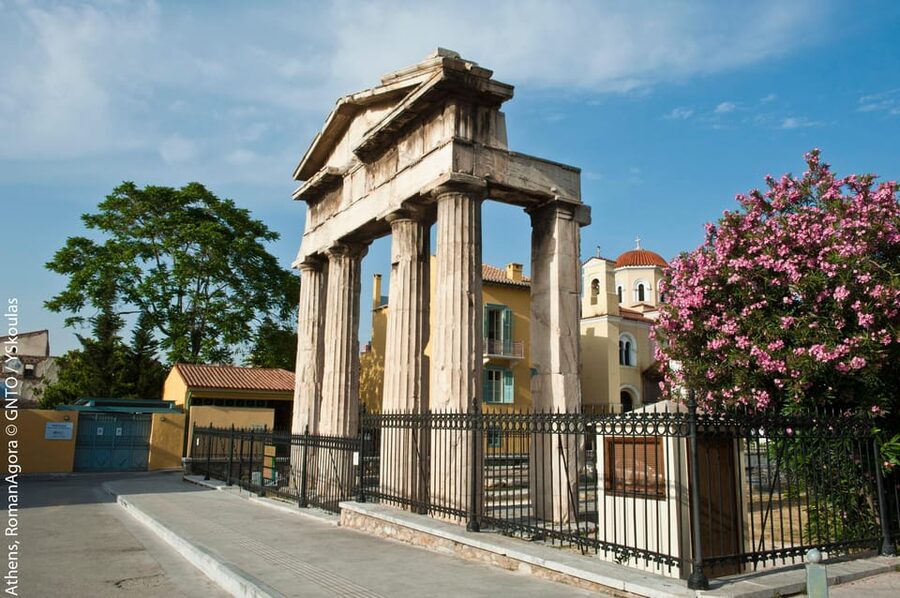
The route continues toward the Ancient Agora, the civic center of classical Athens. This is where the city’s public life once played out, including political, social, and commercial activity.
You may not have time for an extended archaeological visit during this tour. Instead, the value lies in learning why the Agora matters and where it sits in relation to the Acropolis. If you plan to enter later, the walking tour can help you approach it with a clearer idea of what you are looking at.
The Roman Forum adds a later layer to the city. Athens did not end with the classical period, and the Roman remains show how the city continued to function under a new political order. Moving from the Agora to the Roman Forum helps you see Athens as a long-running urban center, not a single ancient chapter.
This part of the route is where the guide’s archaeology background should make the largest difference. A strong explanation can separate Greek, Roman, religious, and civic functions without turning the walk into a lecture. The supplied experience promises facts and myths, but the actual depth may vary. One three-star account found the information too limited, so you should keep expectations realistic for a short orientation rather than a specialist site tour.
Monastiraki, Plaka, and modern Athens
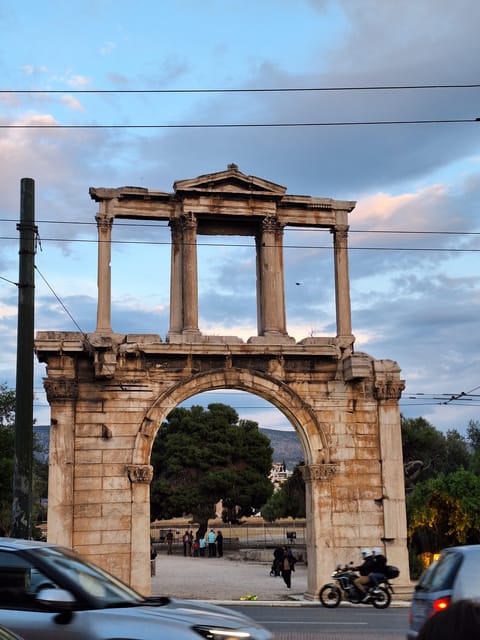
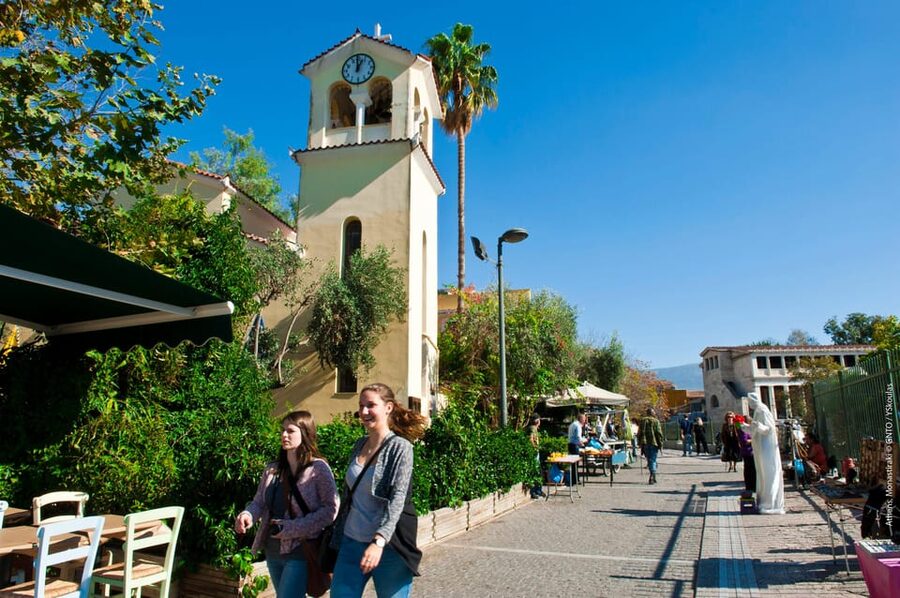
After the monuments, the walk reaches Monastiraki Square and Plaka, often called the Neighborhood of the Gods. Here the tone changes. You move from ancient civic buildings to narrow streets, shops, cafés, restaurants, and the everyday life of central Athens.
This transition is one of the tour’s best features. Athens is not an open-air museum. Ancient remains sit beside modern businesses, apartment buildings, bars, and busy streets. Seeing both sides in one walk gives you a more honest picture of the city.
Monastiraki is useful for practical planning. The guide can point out the feel of the area and discuss places to eat and drink like a local. The information does not name specific restaurants or bars, so do not book the tour expecting a fixed food tasting or a list of guaranteed venues. Think of the advice as a starting point for your own evening.
Plaka provides a different atmosphere, with streets shaped by the presence of the Acropolis and a strong connection to Athens’ older visitor quarter. The route lets you compare it with Monastiraki instead of treating both as interchangeable. That is helpful when deciding where to return for dinner, drinks, shopping, or a slower walk.
Finishing near cafés and restaurants on Makrygianni Street

The tour concludes on Makrygianni Street, close to the Acropolis metro station. This is a practical ending rather than a remote drop-off. You are near familiar restaurants and cafés, so you can stop for food or continue to another sight.
The ending also works well if you have an afternoon booking at the Acropolis Museum or want to remain in the Acropolis area. The tour does not include museum tickets, meals, transport, or entry to the monuments, so budget for those separately.
I would use the final few minutes to ask targeted questions. Ask which museum deserves your limited time, where to eat nearby, which parts of Plaka are worth revisiting, and how to organize the rest of your sightseeing. The tour specifically includes recommendations about museums, food, bars, and other sights, so this is where you can turn general advice into a useful plan.
How the guides affect the experience
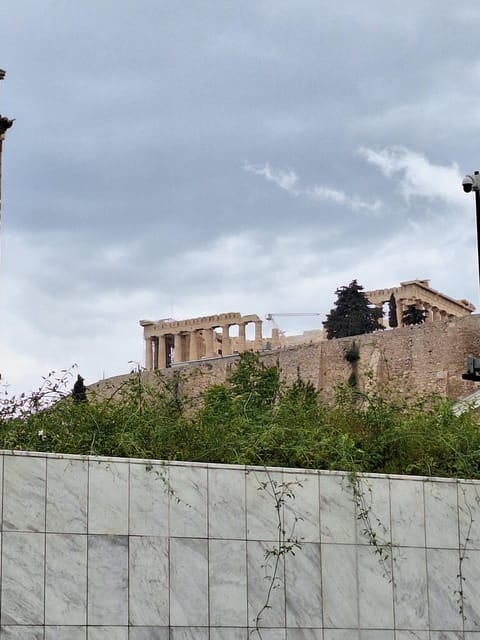
The guide is the central variable. One named guide, Matina, was described as relaxed, highly educated, and especially good with a child. That suggests the experience can work for families and for people who prefer a calm pace rather than a hard-driving march from monument to monument.
Another five-star account described the guide as friendly and professional. At the same time, a three-star account found the guide less engaged and the detail too thin. The overall score is 4.5 from four ratings, which points to a generally positive experience but not a uniform one.
You should book this as a guide-led orientation, not as a guaranteed expert seminar. If archaeology is your main reason for booking, make it clear at the start that you want detail. If you are with children, mention that too. The guide’s approach can shape how much you get from the same streets.
Is $43 fair for two hours?
At $43 per person, the tour sits in the reasonable range for a short guided introduction, provided the commentary is active and specific. You are paying for the route, a live English-speaking guide, historical interpretation, mythological stories, city orientation, and practical suggestions for the rest of your visit.
The value is strongest if you are new to Athens or have only a short stay. In that case, one well-planned walk can save time and help you choose which museums and districts deserve a return visit.
The value is weaker if you already know the Acropolis area well, want lengthy time at each archaeological site, or expect admission to the Acropolis, Agora, Roman Forum, or museum. None of those entries is included.
The reserve-now, pay-later option and cancellation up to 24 hours before the tour make the booking fairly flexible. Those policies are useful if your Athens schedule may change, though they do not alter the basic question of whether the guide’s depth matches your interests.
Who should book this Athens walk?
I would recommend it to first-time visitors who want a fast mental map of central Athens. It also suits couples, families, and independent visitors who like to combine ancient sites with food and neighborhood advice.
It is a good choice for anyone who wants photos from Areopagus Hill, a walk beside the Acropolis, and a look at the Agora, Roman Forum, Monastiraki, and Plaka in one compact route.
I would be more cautious if you need a specialist archaeology tour or want guaranteed, detailed commentary at every stop. The two-hour schedule covers a lot of ground, and the mixed feedback on guide engagement means you should ask questions and set expectations early.
Should you book it?
Book this walk if you want a practical first look at Athens, especially near the beginning of your stay. The combination of Acropolis views, Areopagus Hill, ancient civic sites, Plaka, Monastiraki, and local food advice gives you more than a single-monument visit.
Skip it if you prefer to spend two hours inside one archaeological site or already have a firm Athens plan. For everyone else, $43 is a sensible price for a compact introduction, with the important condition that the experience depends on how fully your guide explains the places along the way.
FAQ
Where does the Athens walking tour meet?
The meeting point is outside the Acropolis metro station on Makrigianni Street, a pedestrianized road with restaurants and cafés.
Where does the tour finish?
The walk ends on Makrygianni Street, close to the Acropolis metro station and near restaurants and cafés.
How long is the tour?
The walking tour lasts two hours.
What language is the tour conducted in?
The live tour is conducted in English.
How much does the tour cost?
The listed price is $43 per person.
Does the tour include a guide?
Yes. A live English-speaking guide is included.
Is this a walking tour only?
Yes. The included activity is a guided walking tour.
Is the tour wheelchair accessible?
Yes, the activity is described as wheelchair accessible. The supplied details do not explain the exact conditions of the Areopagus Hill section.
Does the tour include entry to the Acropolis or museums?
No entry tickets are listed as included. The tour passes major sites and offers advice about museums and sightseeing.
Can I cancel for a full refund?
Yes. You can cancel up to 24 hours in advance for a full refund.
Can I reserve now and pay later?
Yes. The booking option allows you to reserve your place and pay later.
Newly reviewed around Athens
- Athens: workshop for painting landscape with local artist★ 4.6 · 3 reviews
- Athens: Greek Wine & Olive Oil Tasting at Brettos Plaka★ 4.5 · 3 reviews
- Ultimate Tasting of the Volcanic Wines of Greece★ 5.0 · 3 reviews
- Outdoor Yoga and Pilates with Akropolis view★ 4.0 · 5 reviews
- Acropolis of Athens: 60′ Tour in a Vintage Motorcycle★ 5.0 · 4 reviews
- workshop for painting acropolis/landscape with local artist★ 5.0 · 3 reviews
- Athens at Twilight Night Tour with Drinks and Meze Dishes★ 4.8 · 4 reviews
- Breakfast in the markets with olive oil and honey tasting★ 4.8 · 8 reviews
Athens Walking Tours, compared.

Acropolis monuments & Parthenon Walking Tour with Optional Acropolis Museum
Read our review →

Athens Authentic Greek Food Walking Tour (Small Group)
Read our review →
Early Morning Acropolis & Old Athens Guided Walking Tour
Read our review →
Browse the lists this tour appears in