
Reviewed · ATHENS ACROPOLIS TOURS
Acropolis, Parthenon and Plaka, Monastiraki Guided tour
The best thing about this tour is its smart pairing of ancient Athens and everyday Athens. You begin with the Acropolis and Parthenon, then trade marble temples for Plaka’s lanes, Monastiraki’s market energy, and Psirri’s street art. It gives you the grand sights and the city around them in one walk.
I like the pre-booked Acropolis entry, since standing in a ticket queue under the Greek sun is no way to spend part of a short visit. I also like the bougatsa stop and the attention paid to medieval chapels and modern city life, details that can vanish on a standard monument-only visit.
The main consideration is the pace and physical effort. This is a 3.5-hour walking tour with hills, stairs, and uneven ground, and it is not suitable for wheelchair users. Summer heat makes good shoes and a hat essential.
Key points at a glance
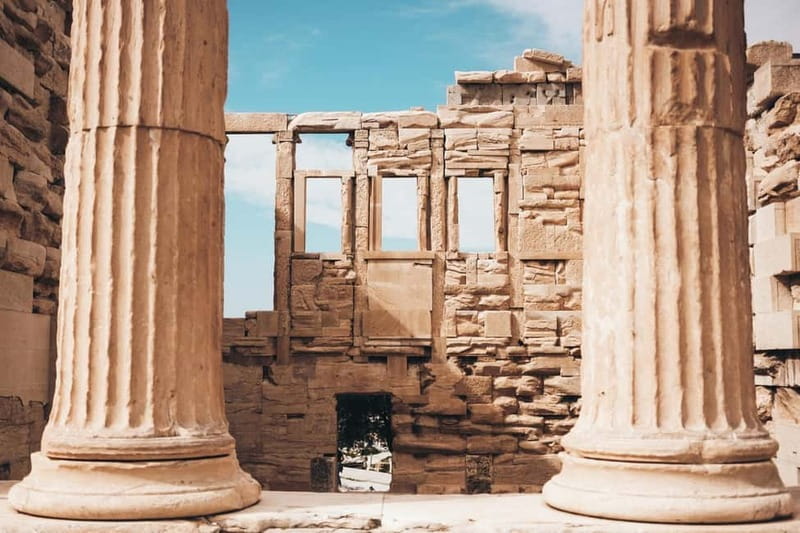
- Acropolis entry is pre-booked: Spend your time with the Parthenon, Erechtheion, and Theater of Dionysus rather than arranging admission on the spot.
- The route covers four Athens districts: You move from the Acropolis into Plaka, Monastiraki, and Psirri, giving the tour a broad city feel.
- The guide is the heart of the experience: Guides such as Ana, Anna, Artemis, Kostas, and Marisa have been praised for lively history, mythology, modern Athens, and useful local advice.
- A Greek bougatsa is included: Stop at a local bakery for this pastry, served sweet or savory.
- It suits first-time visitors: The route offers context for the major monuments and points you toward places to eat and explore afterward.
- Pack light and wear serious shoes: Large bags and luggage are not allowed, and the route includes stair and hill climbing.
Starting at the Acropolis with a licensed guide
Meet inside the Athens Walks tour office at Porinou 5, 11742. There is no hotel pickup, so you need to reach the starting point yourself. Check your confirmed time carefully, since several starting times may be offered.
The Acropolis is the natural first act. It is not simply a stop for photographs. With a good guide, the stone buildings become part of a larger story about Athens, democracy, philosophy, mythology, and the development of Western culture.
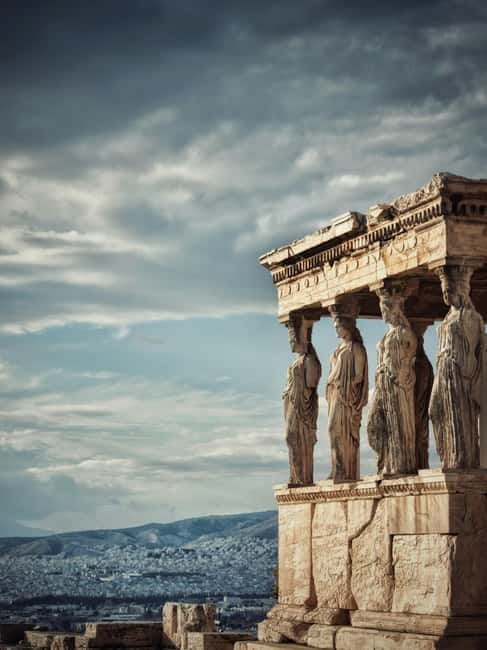
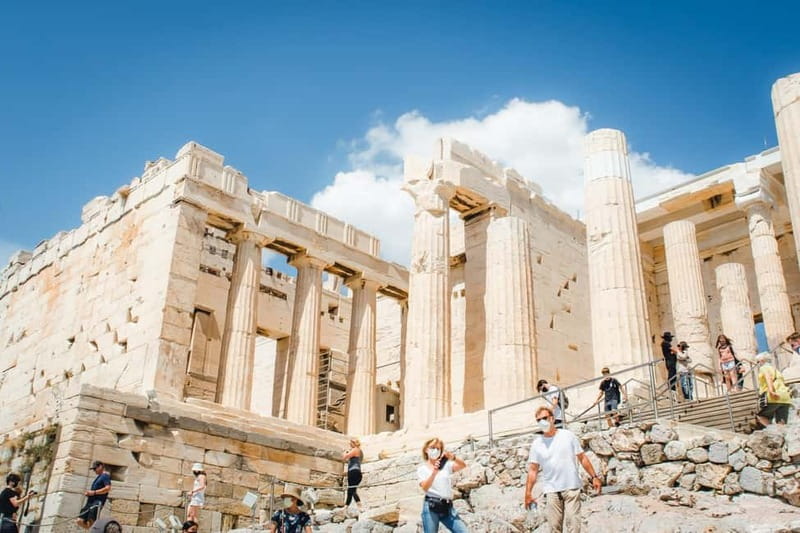
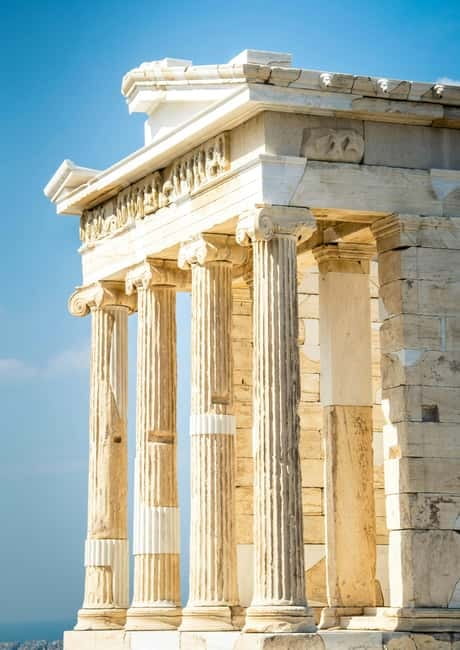
The tour focuses on three major places: the Parthenon, the Erechtheion, and the Theater of Dionysus. The Parthenon is the visual prize, with its familiar columns and commanding position above the city. The Erechtheion brings a different mood and a more complex set of stories, while the Theater of Dionysus connects ancient Athens with the birth of theatrical performance.
The strongest part of this format is the live explanation. Guides named Ana and Anna have been praised for making ancient history and mythology lively rather than dry. Artemis has also been singled out for interesting interpretation and good suggestions for dinner, while Kostas has been valued for conversation and practical ideas for what to do after the tour.
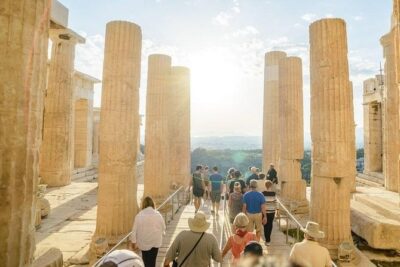
That range matters. The Acropolis can feel like a pile of impressive stones if you walk through it alone without context. A guide gives you a way to connect the buildings with the city’s political and religious life. You should still expect crowds, sun, and plenty of standing. The tour gives you access and explanation, not a private monument.
The pre-booked entrance is a real convenience. It does not mean you will have the Acropolis to yourself, but it removes one avoidable task from a busy sightseeing day. If Athens is one stop on a short trip, that saved time is useful.
More ways to see the Acropolis:
- Athens: Acropolis & up to 5 Archaeological Sites Combo Pass
★ 4.4 · 12,619 reviews - Athens: Acropolis Ticket with Optional Audio or Live Guide
★ 4.2 · 11,055 reviews - Athens: Acropolis, Parthenon & Acropolis Museum Guided Tour
★ 4.8 · 9,316 reviews
Walking through Plaka’s old lanes
After the Acropolis, the tour heads into Plaka, the old quarter of Athens. This is where the mood changes. Instead of monumental scale, you get cobbled lanes, neoclassical buildings, colorful homes, small courtyards, and the kind of side streets that reward slow walking.
Plaka is often presented as the pretty part of central Athens, but its value is more than appearance. It gives you a sense of how the city’s older residential fabric sits beside the ancient site. Your guide can help you notice details you might otherwise pass without a second glance.
The tour also includes medieval chapels. That is a useful addition because Athens is often reduced to classical antiquity. The chapels show that the city continued to change long after the Parthenon was built. You get a wider view of Athens, with ancient, medieval, neoclassical, and modern layers appearing within a fairly small area.
One past route included a visit to one of the oldest churches in the city, described as having the feel of an island village tucked into Plaka. That sort of stop is exactly why a walking guide can be worthwhile. It is easy to find the Acropolis on your own. It is harder to know which small church or lane gives Plaka its character.
You should not expect a museum tour of every building. The route is designed as a moving introduction, not a detailed architectural survey. If you want long stops for sketching or photography, a private visit at your own pace may suit you better.
A bougatsa break with local flavor
The included bougatsa stop adds a welcome food break to the walk. You taste this traditional Greek pastry at a local bakery, with a sweet or savory version available.
Bougatsa is a useful introduction to Greek food because it can work at different times of day. The sweet form is associated with custard and pastry, while savory versions can make a more substantial snack. The exact choice may depend on what is available at the bakery.
This is not a full meal, so plan accordingly. The pastry gives you a taste and a pause, but you should not book the tour expecting lunch. Its real value is the local setting and the chance to try something connected to daily Greek eating habits rather than stopping only at a place chosen for tourists.
The snack also breaks up the monument-heavy first part of the experience. After the Acropolis, a bakery stop helps reset your attention before the route continues through the city.
Monastiraki, where old stones meet city life
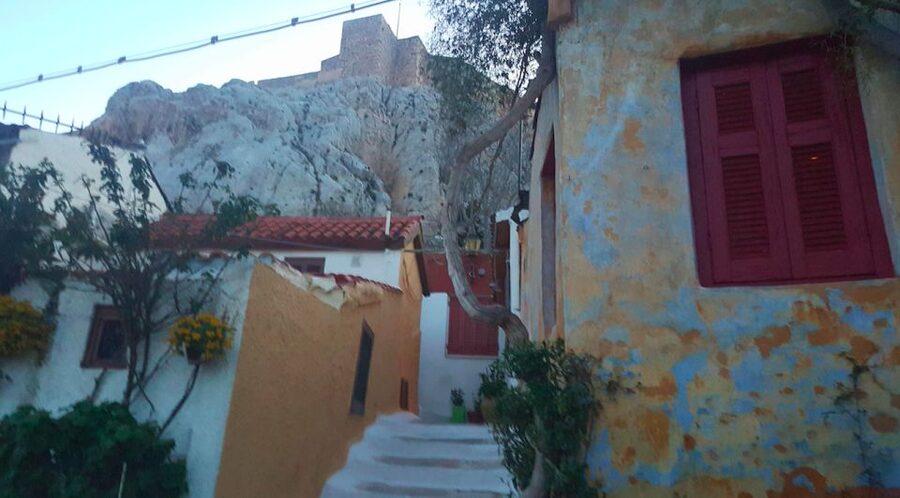
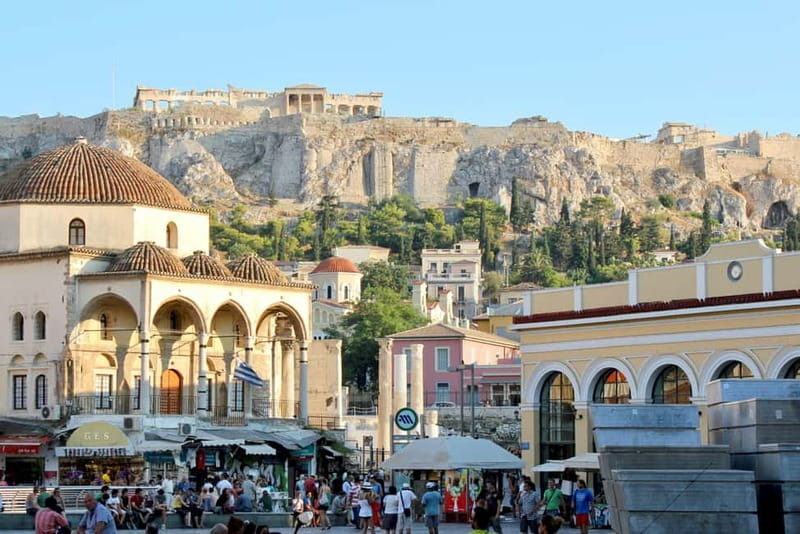
Monastiraki brings a louder, more crowded side of central Athens. The area is known for its flea market, street food, and views where ancient ruins sit beside modern shops and traffic.
This is an important contrast with the Acropolis. At the monument, you are looking backward. In Monastiraki, the ancient past remains visible while daily commerce carries on around it. The tour helps connect those two sides of the city rather than treating them as separate attractions.
The market area can be busy, so keep your belongings secure and stay close enough to hear the guide. Large bags and luggage are not permitted on the tour, which is sensible for a route through crowded streets and up the Acropolis.
Monastiraki is also a good place to gather ideas for later. You may see food stalls, shops, and corners worth returning to after the tour. The guide’s local suggestions can be particularly useful here. Artemis has been praised for offering dinner ideas, and Kostas for giving practical recommendations for the rest of a short Athens stay.
The Monastiraki section is not just a shopping stop. Its best feature is the visual mix. Ruins, market stalls, cafés, and city streets sit close together. You get the sense that Athens is not an archaeological park preserved behind glass. It is a living capital built around its ancient center.
More walks around Plaka and Monastiraki:
- Culinary Backstreets of Plaka – Athens Food Tour
★ 5.0 · 182 reviews - Acropolis monuments, Parthenon and Plaka, Monastiraki walking tour
★ 5.0 · 182 reviews - Traditional Greek Show in Plaka with Dinner
★ 3.6 · 178 reviews - VIP Private Guided Tour of Athens Acropolis & Plaka in a Sidecar
★ 5.0 · 108 reviews
Finishing in Psirri with street art and cafés
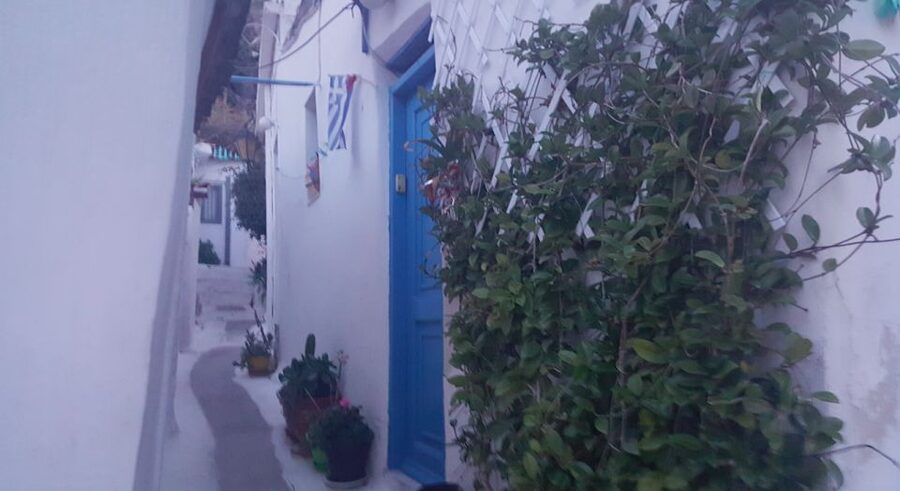
The route includes Psirri, an area known for street art, cafés, and local culture. This final section keeps the tour from ending with the last ancient column.
Psirri offers a more contemporary picture of Athens. Street art and café life give you a useful change of pace after the Acropolis and Plaka. If you want to understand what Athens feels like beyond its famous ruins, this is one of the more valuable parts of the route.
The activity information says the tour ends back at the meeting point, even though the walking route also includes Psirri. Confirm the exact finishing arrangement with the guide on the day. Either way, the route leaves you in a useful central area with ideas for what to do next.
This is also where the tour’s balance becomes clear. You are not spending all 3.5 hours on ancient history. You are seeing how Athens’ old neighborhoods, food, markets, art, and cafés fit around the monuments. Marisa has been praised for bringing modern Athens into the conversation, which is the right approach for this route.
What the guide adds to the experience
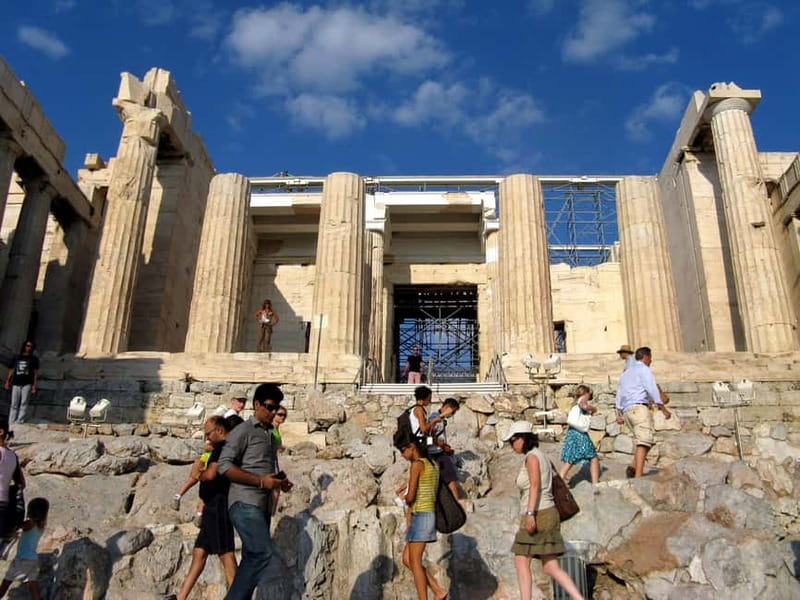
The guide makes more difference here than any single stop. The Acropolis is famous enough that you can recognize its main buildings without help. The challenge is understanding what you are seeing and deciding which details deserve your attention.
The most praised guides on this experience include Ana, Anna, Artemis, Kostas, and Marisa. Ana has been valued for giving a great deal of information about the sights. Anna has been praised for lively explanations of history and mythology. Artemis has combined site knowledge with useful dinner suggestions.
Kostas has received strong praise for conversation and for adapting the day to individual interests. One tour continued successfully in pouring rain, with the route adjusted to suit the group. That suggests a useful quality in a walking guide: the ability to keep the day enjoyable when conditions are less than perfect.
Marisa has been noted for caring about the group and discussing modern Athens as well as ancient history. That balance is worth looking for. The best version of this tour will not feel like a memorized lecture. It will give you the facts you need, then help you understand how the city works now.
Guide assignments can change, so you should not book on the assumption that one named guide will lead your departure. The important point is the level of live interpretation promised by the format, not a guaranteed personality.
Is $85 a fair price?
At $85 per person, this is not the cheapest way to see the Acropolis. The price includes the Acropolis and Parthenon admission, a licensed English-speaking guide, a 3.5-hour walking route, and the bougatsa snack.
The value depends on how you like to travel. If you only want entry to the Acropolis and prefer to read about the monuments yourself, this will cost more than arranging a basic visit. If you want one organized route that connects the main archaeological site with Plaka, Monastiraki, and Psirri, the price is easier to justify.
You are paying for time saved and context gained. The pre-booked ticket reduces one queue, while the guide gives shape to an area that can otherwise feel scattered. You also avoid having to plan separate visits to the old quarter, market district, and contemporary café streets.
For a first day in Athens, the tour offers good coverage. For a return visit focused on one monument or a specific museum, it may feel too broad. The 3.5-hour length is long enough to give you a useful orientation, but not so long that it takes over your entire day.
Comfort, pace, and practical details
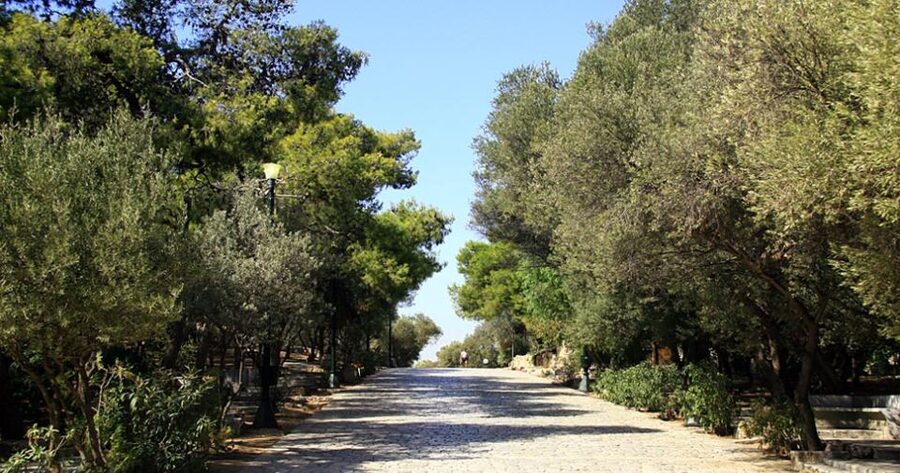
Wear sport shoes with a firm sole. The route includes stairs, hills, cobbled lanes, and ancient surfaces that can be tiring or slippery. A hat is a smart choice in summer, and you should dress for strong sun.
Leave luggage and large bags behind. Pets are not allowed, and the activity is not suitable for wheelchair users. Hotel pickup and drop-off are not included, so allow time to reach Porinou 5 before the scheduled start.
The tour is in English. Since it combines open archaeological spaces with narrow city streets, you should be ready for changing conditions and a fairly steady walking pace. If rain arrives, the experience can still work, but some stops may be less comfortable. Kostas has been praised for making the tour enjoyable in heavy rain, though weather will always affect the day.
The tour permits free cancellation up to 24 hours in advance, and you can reserve now and pay later. Those terms are useful if your Athens schedule is still shifting.
Who should book this Athens walk?
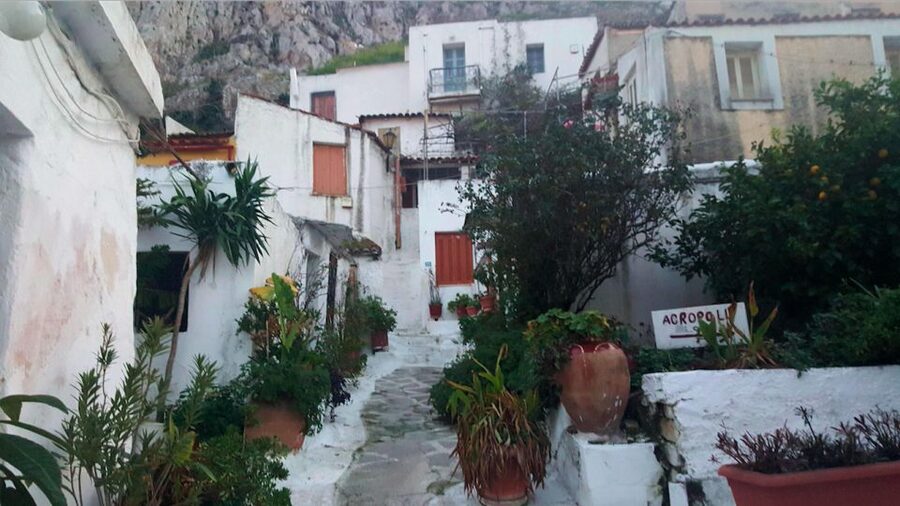
I would choose this tour for a first visit, especially if you have only one or two days in Athens. It gives you the essential ancient site, a taste of the old town, a market district, a modern neighborhood, and a small Greek food experience without forcing you to organize each piece yourself.
It also suits anyone who prefers conversation and local guidance to a recorded audio tour. The strongest guide style here appears to combine facts with mythology, food suggestions, modern city observations, and ideas for the rest of your day.
You may want another option if you have limited mobility, dislike hills and stairs, need a private pace, or want a very detailed archaeological study. The tour covers a lot of ground, so it favors broad understanding over long contemplation at one site.
Should you book the Acropolis, Plaka, and Monastiraki tour?
Book it if you want a well-rounded first look at Athens and value a guide who can connect the Parthenon with the streets around it. The pre-booked entry, included bougatsa, and coverage of Plaka, Monastiraki, and Psirri make the $85 price reasonable for a half-day introduction.
Skip it if your priority is complete independence or a slow, specialist visit to the Acropolis. For most first-time visitors who want ancient landmarks plus real city atmosphere, this is a practical and enjoyable choice. Just wear good shoes, carry only what you need, and arrive ready to walk.
FAQ
How long does the tour last?
The walking tour lasts 3.5 hours. Starting times vary, so check availability when booking.
Where does the tour begin?
Meet inside the Athens Walks tour office at Porinou 5, 11742.
Where does the tour end?
The activity information states that the tour ends back at the meeting point.
Is Acropolis admission included?
Yes. Entrance tickets for the Acropolis and Parthenon are included, with pre-booked access to help you avoid the ticket line.
What language is the tour in?
The live guided tour is conducted in English.
Is the tour suitable for wheelchair users?
No. The activity is not suitable for wheelchair users and includes walking on hills, stairs, and cobbled streets.
Newly reviewed around Athens
- Athens: workshop for painting landscape with local artist★ 4.6 · 3 reviews
- Athens: Greek Wine & Olive Oil Tasting at Brettos Plaka★ 4.5 · 3 reviews
- Outdoor Yoga and Pilates with Akropolis view★ 4.0 · 5 reviews
- Acropolis of Athens: 60′ Tour in a Vintage Motorcycle★ 5.0 · 4 reviews
- Ultimate Tasting of the Volcanic Wines of Greece★ 5.0 · 3 reviews
- workshop for painting acropolis/landscape with local artist★ 5.0 · 3 reviews
- Athens at Twilight Night Tour with Drinks and Meze Dishes★ 4.8 · 4 reviews
- Breakfast in the markets with olive oil and honey tasting★ 4.8 · 8 reviews
Athens Acropolis Tours, compared.
Acropolis & up to 5 Archaeological Sites Combo Pass
Read our review →
Acropolis, Parthenon & Acropolis Museum Guided Tour
Read our review →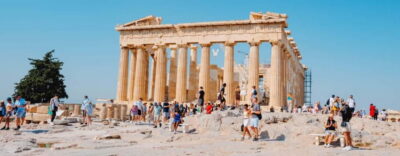
Acropolis, Parthenon & Acropolis Museum Guided Tour
Read our review →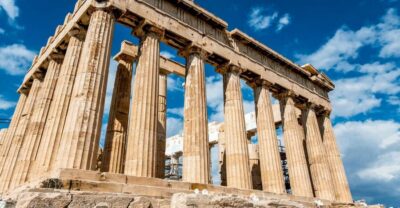
Acropolis monuments & Parthenon Walking Tour with Optional Acropolis Museum
Read our review →Browse the lists this tour appears in