
Reviewed · WORKSHOPS
Greek dance lessons
Greek dance is not just a show for visitors. It is a way to welcome people, mark the seasons, celebrate, and express feelings. This 90-minute lesson gives you a friendly way into that world, with dances from the Aegean and Ionian islands and mainland Greece taught in a historic Plaka setting.
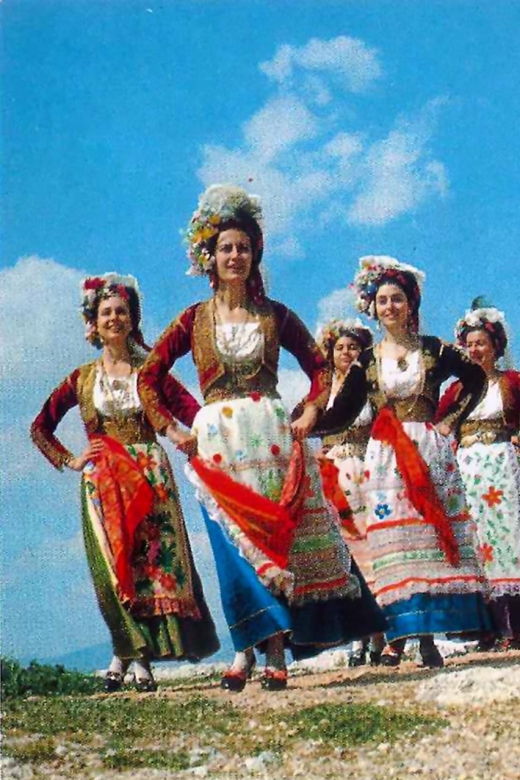
I like two things right away: the lesson is built for beginners, and it connects movement with the costumes and jewelry worn in different regions. You are not simply copying steps in a studio. You also learn why Greek dance carries such weight in daily and ceremonial life.
The main consideration is time. At $73 per person, this is not the cheapest short activity in Athens, and 90 minutes passes quickly. It is a good fit if you want an active cultural experience, but less so if you only want a quick performance or a detailed costume museum visit.
Key points to know before booking
- You walk through Plaka first: Meet near the Acropolis Metro Station, then follow the guide through old Athens to the lesson site.
- You learn dances from several Greek regions: The session covers traditions linked to the Aegean Sea, Ionian Sea, and Greek mainland.
- The lesson suits beginners: The teaching is described as easy and fun, with no indication that previous dance experience is needed.
- Costumes are part of the experience: You see examples of Greek clothing and the special jewelry worn with it.
- The setting is historic: The class takes place in the property of British historian George Finlay, an 18th-century, four-floor building with a flower-filled yard.
- English and Spanish instruction is available: The teacher speaks English or Spanish, depending on the session.
Meeting near the Acropolis Metro Station
Your meeting point is the tour office, about three minutes on foot from the Acropolis Metro Station. That is a useful starting place in Athens, since the station is easy to reach and the location puts you close to Plaka, the city’s old town.
From the office, you walk through the picturesque alleys of Plaka to the class. The walk is part of the experience rather than a transfer you need to arrange yourself. It also helps set the mood. You move from the busy tourist center into the older streets around the Acropolis before the dancing begins.
The exact length of the walk is not provided, so allow a little extra time and arrive at the office before the scheduled start. You do not want to rush in wearing the wrong shoes or carrying a large day bag. Comfortable footwear is a sensible choice, since the activity combines walking with active movement.
More hands-on workshops in Athens:
- Athens: Classic Cooking Class with Market Visit and Wine
★ 5.0 · 1,101 reviews - Athens: Food Market Visit and Cooking Class with Wine
★ 4.9 · 1,087 reviews - Greek Cooking Class in Athens Including Rooftop Dinner with Acropolis View
★ 5.0 · 826 reviews
A historic courtyard for a Greek dance class
The lesson takes place at the property of George Finlay, a British historian connected with the Greek revolution. The building is described as a well-preserved, four-floor structure from the 18th century, with a flower-filled yard.
That setting gives the class a stronger sense of place than a plain commercial dance room. You are learning about Greek traditions inside an old Athens property, in the same historic district where you began the walk. The courtyard also sounds like a more pleasant setting for group movement than an enclosed room, though the supplied details do not specify the size of the group or whether the lesson is indoors if the weather changes.
The building itself is part of the appeal, but the dancing remains the main event. Do not book this expecting a long guided tour of the property. The visit to the building supports the class, rather than replacing it.
Learning dances from islands and mainland Greece

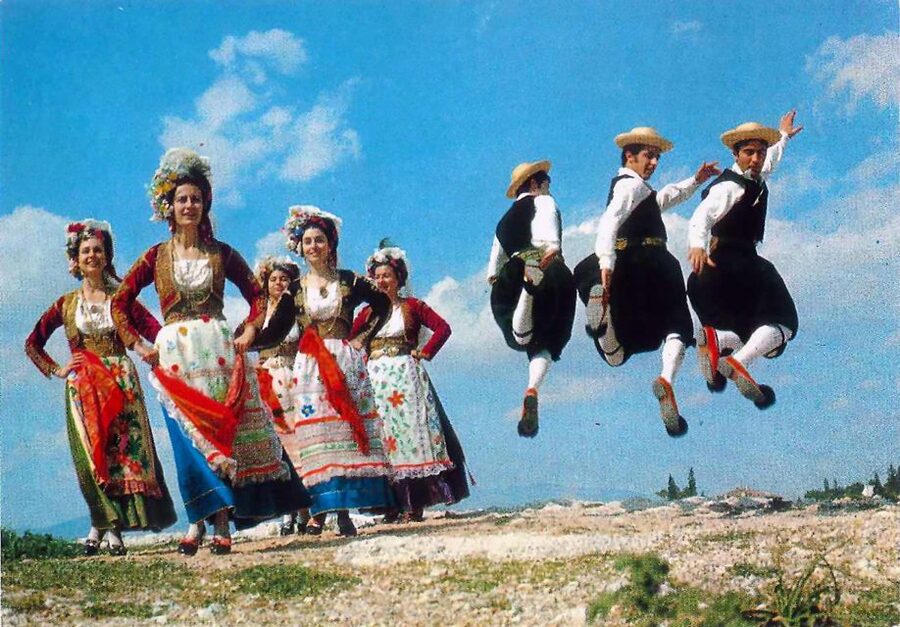
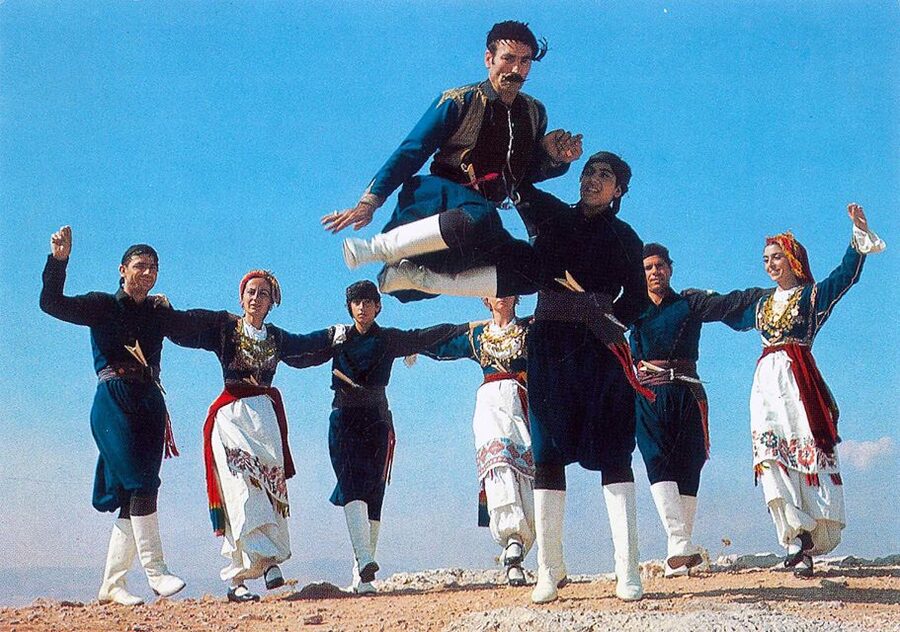
An experienced dance teacher introduces you to well-known folk and traditional dances from different parts of Greece. The session draws from the Aegean islands, the Ionian islands, and the mainland.
This regional range matters. Greece is not one single dance tradition, and local customs can differ from one island or mainland area to another. By moving through several styles in one lesson, you get a basic sense of how Greek identity changes from place to place while remaining connected through music, rhythm, and group participation.
The teaching is intended to be easy and fun. That makes the activity a good option if you have two left feet, no formal dance training, or only a passing interest in Greek culture. One participant described the class as ideal for beginners, while also joking that the experience revealed a complete lack of rhythm. That is a useful warning in the best possible sense: you do not need to arrive polished, but you do need to be willing to laugh at yourself.
The available information does not name the teacher, list the specific dances, or describe live music. You should therefore expect an introductory lesson rather than a fixed performance program with a published dance list. The teacher may adjust the pace to the group, but that cannot be guaranteed.
Why Greek dance carries cultural meaning
The activity explains that ancient Greeks believed dance was created by the gods. Dance was linked to religious events and cult practices, and later traditions continued to use it for important moments in community life.
You also learn that Greeks dance and sing to express feelings, celebrate, welcome people, and mark the changing seasons. That context makes the footwork easier to understand. The goal is not just to memorize a pattern. It is to see dance as a social language.
This is where the experience has more value than a basic dance class. You get a physical introduction to customs that can otherwise seem distant. Even if you forget most of the steps by the end of your trip, you may recognize the communal spirit when you see Greek dancing at a celebration or local gathering.
The lesson does not promise a full course in Greek anthropology, and 90 minutes would not allow that. Think of it as a lively first meeting with the subject, not a scholarly lecture.
A different kind of day out from Athens:
- Athens: Acropolis & up to 5 Archaeological Sites Combo Pass
★ 4.4 · 12,619 reviews - Athens: Acropolis Ticket with Optional Audio or Live Guide
★ 4.2 · 11,055 reviews - Athens: Acropolis, Parthenon & Acropolis Museum Guided Tour
★ 4.8 · 9,316 reviews - Athens: Cape Sounion & Poseidon Temple Sunset Half-Day Trip
★ 4.8 · 8,241 reviews
Greek costumes, jewelry, and regional clothing
A second part of the lesson introduces some of the many Greek costumes and the special jewelry worn with them. You also receive general information about Greek clothing.
Costume adds useful visual context. Folk clothing can show where a person came from, what kind of event they were attending, and how local customs developed. Jewelry is not simply decoration. In traditional dress, it can help complete the look and signal regional style.
The available details do not identify the exact costumes or jewelry pieces you will see, so you should not book this as a guaranteed presentation of every major Greek costume tradition. Still, this section helps connect the dances to the people and places behind them.
I especially like the combination of movement and clothing. A costume display alone can leave you admiring fabric from behind a barrier. A dance class asks you to think about how clothing, gesture, music, and community work together. You get a more active introduction to the culture.
What 90 minutes gives you
The total duration is one and a half hours. That is enough time for an introduction, a series of dances, and the costume and cultural explanation, but not enough for a detailed study of every region represented.
For most visitors, the short format is an advantage. You can fit the class into a day of sightseeing around the Acropolis, Plaka, and nearby central Athens without giving up half a day. It is also easier to commit to a physical activity when you know it will end after 90 minutes.
The tradeoff is that the experience may feel brief if you are already enthusiastic about Greek dance. You might finish wanting more practice or more regional detail. The description does not include an extended social dance, meal, music performance, or follow-up session.
Plan your expectations around an introductory cultural activity. You will learn several ideas and movements, not become an accomplished Greek dancer in one afternoon.
Price and value at $73 per person
At $73 per person, the class costs more than a simple self-guided cultural stop, but it includes several elements in one compact experience. You receive instruction, the walk through Plaka, access to a historic property, cultural background, and an introduction to costumes and jewelry.
The strongest value comes from participation. You are paying for a teacher-led activity that asks you to move, listen, and take part rather than simply look at objects. If you enjoy hands-on experiences, that can make the price reasonable, especially in a city where many major attractions involve passive sightseeing.
The value is weaker if your main interest is history, architecture, or costume display. In that case, the dancing may feel like the central feature you are paying for, even if your real interest lies elsewhere.
The score of 4.6 from six reviews suggests a good early reception, though the sample is small. The available comments praise the lesson as fun, informative, professional, and suitable for beginners. One person noted learning many dances, which supports the idea that the class aims to give you variety rather than repeat one routine for the full session.
Language, access, and practical limits
Instruction is offered in English or Spanish. That makes the class workable for many international visitors, but the details do not say whether every session offers both languages at once. Check the available language when choosing a time.
There is conflicting information about wheelchair access. One part of the activity details describes the experience as wheelchair accessible, while another says it is not suitable for wheelchair users. The walk through Plaka, the historic building, and the active dancing may all affect access, but the supplied information does not clarify the exact conditions.
If you use a wheelchair, contact the provider before booking and ask specifically about the route from the office, the entrance, the courtyard, toilets, and participation in the dance lesson. Do not rely on the single accessibility label until those details are confirmed.
Reservations are accepted 48 hours before the activity. You can cancel up to 24 hours ahead for a full refund, and a reserve-now, pay-later option is available. Those policies are useful if your Athens schedule is still shifting, but they do not remove the need to plan ahead because last-minute reservations may not be accepted.
Who will enjoy this Greek dance experience
I would recommend the class to you if you want a cultural activity that is social, physical, and easy to fit into a day in Athens. It suits first-time visitors who have already seen ancient sites and want to experience a living tradition instead of reading about one on a museum label.
It is also a good choice for couples, families with older children, and friends who enjoy doing something slightly out of the ordinary. The beginner-friendly approach means nobody in your group needs formal training.
You may want to skip it if you dislike group activities, feel uncomfortable dancing in front of others, or want a quiet cultural visit. The description does not provide the group size, so you cannot assume a private lesson. You should also reconsider if your priority is a long costume presentation or a full regional history lecture.
People who worry about rhythm should not rule it out too quickly. The class is designed to teach, not test. Still, you need to accept that the point is participation. This is not a polished stage show where you sit safely in the dark.
My take on the setting and format
The best feature is the connection between place and activity. You begin near one of Athens’ most useful Metro stations, walk through Plaka, and arrive at an old building with a flower-filled yard. Then you learn about dances and clothing tied to different parts of Greece.
That sequence gives the 90 minutes a clear shape. The walk introduces old Athens, the courtyard provides a memorable setting, the teacher supplies the movements, and the costumes explain some of the visual traditions behind them.
The main weakness is the lack of detail about the class itself. You are not told the exact dance names, the group size, the music, or how much time is spent on costumes compared with dancing. If those specifics matter to you, ask before booking.
Still, the basic promise is clear. You will learn Greek folk dances in an approachable way and gain cultural context along the way. For a short Athens activity, that is a useful mix.
Should you book Greek dance lessons?
Book this experience if you want to do more than look at Athens. The class gives you a beginner-friendly introduction to Greek dance, regional customs, traditional clothing, and jewelry, all in a historic Plaka setting.
At $73, it is best value for people who enjoy active, guided experiences and want a cultural memory they can feel rather than simply photograph. It is less suitable for anyone seeking a formal performance, a private lesson, or a detailed costume exhibition.
If you are comfortable joining a group and willing to laugh when your feet do not follow the music, I would put this on your Athens shortlist. Confirm accessibility details first, especially because the information provided is inconsistent.
FAQ
Where does the Greek dance lesson meet?
You meet at an office about three minutes on foot from the Acropolis Metro Station. From there, you walk through the alleys of Plaka to the lesson site.
How long does the activity last?
The Greek dance lesson lasts 1.5 hours, or 90 minutes.
What types of dances will I learn?
You learn well-known Greek folk and traditional dances connected with the Aegean islands, Ionian islands, and mainland Greece. Specific dance names are not provided.
Is the class suitable for beginners?
Yes. The lesson is designed to teach Greek dances in an easy and fun way, and beginner participation is specifically supported.
What languages does the instructor speak?
Instruction is available in English and Spanish.
Will I learn about Greek costumes?
Yes. The activity includes an introduction to Greek costumes, the jewelry worn with them, and general information about traditional clothing.
What is the price?
The price is $73 per person.
Can I cancel for a full refund?
Yes. You can cancel up to 24 hours in advance for a full refund.
Is the activity wheelchair accessible?
The information is inconsistent. One section describes it as wheelchair accessible, while another says it is not suitable for wheelchair users. Contact the provider before booking to confirm access to the walk, historic building, courtyard, and lesson.
Newly reviewed around Athens
- Athens: workshop for painting landscape with local artist★ 4.6 · 3 reviews
- Athens: Greek Wine & Olive Oil Tasting at Brettos Plaka★ 4.5 · 3 reviews
- Outdoor Yoga and Pilates with Akropolis view★ 4.0 · 5 reviews
- Acropolis of Athens: 60′ Tour in a Vintage Motorcycle★ 5.0 · 4 reviews
- Ultimate Tasting of the Volcanic Wines of Greece★ 5.0 · 3 reviews
- workshop for painting acropolis/landscape with local artist★ 5.0 · 3 reviews
- Athens at Twilight Night Tour with Drinks and Meze Dishes★ 4.8 · 4 reviews
- Breakfast in the markets with olive oil and honey tasting★ 4.8 · 8 reviews
Workshops, compared.

Classic Cooking Class with Market Visit and Wine
Read our review →
Food Market Visit and Cooking Class with Wine
Read our review →
Greek Cooking Class in Athens Including Rooftop Dinner with Acropolis View
Read our review →
Greek Small-Group Athens Cooking Class & Dinner
Read our review →

Greek Cuisine Cooking Class and 3-Course Dinner
Read our review →
Traditional Greek cooking class and lunch or dinner with an Acropolis view
Read our review →
Athens Airport Private Transfer by Mercedes-Benz E Class Wagon to City Center
Read our review →Browse the lists this tour appears in