
Reviewed · ATHENS OLIVE OIL TASTINGS
Breakfast in the markets with olive oil and honey tasting
Athens shows its everyday face on this food walk. You move through the Athinas Street markets, where meat, fish, spices, olives, fruit, and vegetables supply local kitchens, then sit down for breakfast where market traders eat. Along the way, you taste olive oil and honey from family businesses, not just polished tourist samples.
I like two things especially: the focus on local prices and family-run shops, and the useful food education. You learn how Greek coffee is prepared, how olive oil fits into daily cooking, and how different honeys taste. The small group, limited to 10 people, also gives guides such as Mike and Rachel room to answer questions.
The main drawback is the food focus. This is not a good match for vegans or people with lactose intolerance, and the 2.5-hour walk may feel long if you want a light breakfast or dislike busy market streets.
Key points at a glance
- Breakfast where market traders eat: Finish with a sit-down meal at a meze taverna known to locals.
- Athinas Street at its most useful: See the central food markets and learn where to buy spices, olives, and Greek delicacies.
- Producer-led tastings: Visit an olive shop run by an olive farmer and meet a beekeeper family while sampling honey.
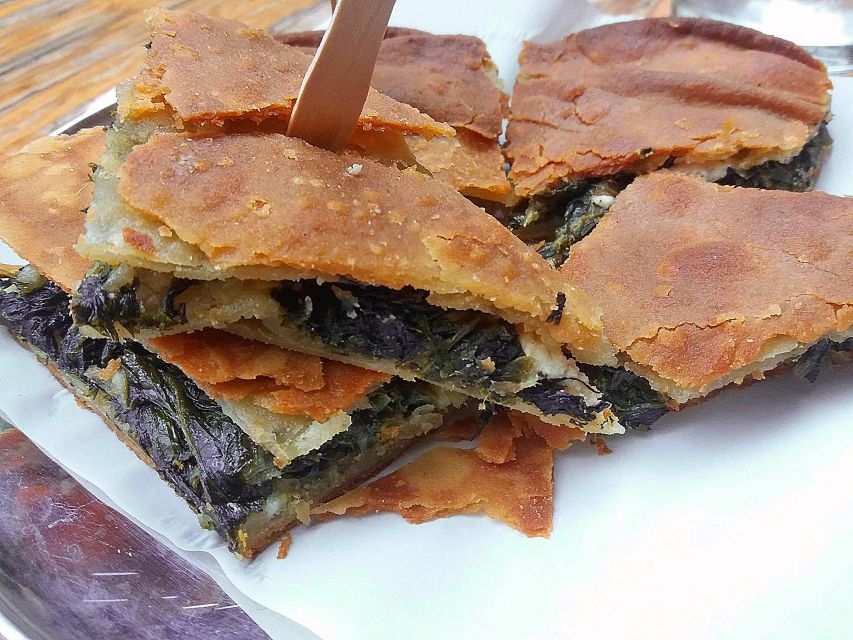
- A proper Greek morning meal: Try yoghurt, honey, spanakopita, sausage, cheese, beans, deli meats, and Greek coffee.
- Small group, practical pace: The group is capped at 10, with an English-speaking guide and plenty of walking between stops.
- Good first-day choice: An early start leaves the rest of your day free for museums, ruins, and recommended tavernas.
Why this breakfast tour works better than a standard café stop
A café breakfast gives you food. This experience gives you a map of how Athens eats.
You start near Monastiraki and head into central Athens around Athinas Street, Evripidou, and Omonoia. These are working market areas, with the smells and sounds of food trading all around you. You see stalls and shops dealing in meat, fish, produce, spices, olives, and prepared foods. That setting matters because Greek food makes more sense when you see the ingredients before they reach the table.
The experience also keeps its attention on ordinary food traditions, rather than turning breakfast into a formal cooking class. You taste the foods Greeks commonly eat in the morning, while your guide explains the habits behind them. Greek yoghurt with local honey, savoury pies, cheese, sausage, beans, and coffee make up a meal with both sweet and salty sides.
I like this approach for a first or second morning in Athens. You get food to eat, but you also learn what to look for later in a taverna or market shop. The guide can point out useful places to buy spices, olives, and other Greek products at local prices, which is more valuable than being sent only to souvenir shops.
More olive oil tastings around Athens:
- Athens Old Town: Greek Olive Oil & Herbs Tasting
★ 4.2 · 41 reviews - From Athens: Olive Oil Tasting, Olive Grove & Wine Experience
★ 5.0 · 13 reviews - Full-Day Private Tour Corinth and Olive Oil Tasting from Athens
★ 5.0 · 13 reviews
From Monastiraki to Evripidou’s food stalls
The meeting point is outside En Athinas, a small pie shop beside the Cecil Hotel and a large Cosmote shop. It is in the Monastiraki area, so check the exact meeting details before setting out. The tour then involves a short walk of about five minutes toward Evripidou.
That first walk brings you into a part of Athens where food shops and market businesses serve residents as well as visitors. You are not simply passing a row of scenic stalls. You are seeing the practical side of the city, the places people use to shop for ingredients.
At Evripidou, you spend about 30 minutes visiting the food market and tasting food. The area is known for its spices and food shops, and the tour uses the stop to introduce you to local traders and Greek ingredients. You might see products that are familiar from Greek restaurant menus, but here they appear in their shopping context.
This is also where your guide can help you separate useful shopping advice from tourist pricing. If you plan to take home spices, olives, or packaged delicacies, pay attention to the shop recommendations. The tour does not just tell you what tastes good. It shows you where to look.
Athinas Street, with fish, fruit, and Greek staples
The next market stop takes about 30 minutes along Athinas Street. The market area includes meat, fish, fruit, vegetables, olives, and spices, so expect a mix of strong smells, close quarters, and plenty of visual detail. Comfortable shoes are important, and carrying water is sensible.
This is not a polished food hall. That is part of its appeal, but it is also something to consider. Market streets can be busy and noisy, and some of the sights may be less comfortable for people who prefer tidy, quiet food settings. You should come ready for a working market rather than a photo-only stop.
The guide explains how locals shop for fresh produce and introduces family-owned businesses that have operated across generations. That family connection gives the tastings more context. An olive shop run by an olive farmer, for example, gives you a direct link between the product and the person who produces it.
You also learn how Greeks use olive oil in daily life. The tasting is not just about deciding which oil tastes best. It helps you notice differences in flavour and understand why olive oil is treated as a basic part of Greek cooking rather than a finishing product reserved for special meals.
Olive oil and honey with the people who produce them
The producer tastings are the most distinctive part of this experience. You visit an olive shop run by an olive farmer and meet a beekeeper family while learning about honey’s role in the Greek diet.
Olive oil tasting can be easy to rush. Here, the guide explains how olive oil is used in everyday meals, which makes the sample more useful. You can connect the taste with the food you eat later in the morning, especially the bread, cheese, beans, and other savoury items.
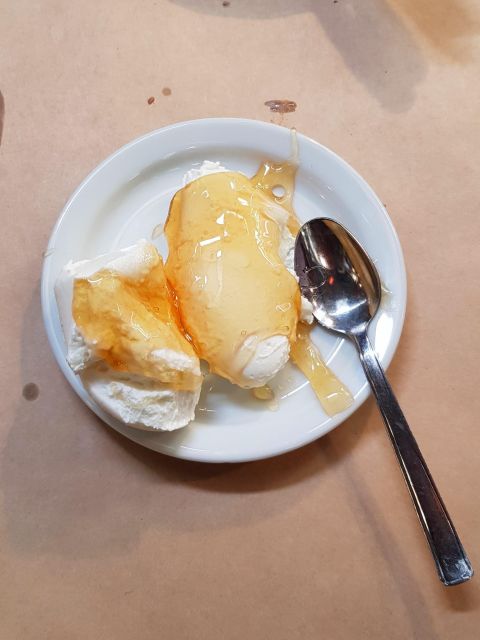
The honey tasting offers a similar lesson. You sample local honey and learn about different flavours rather than treating honey as one generic sweetener. Greek sheep’s milk yoghurt with honey is one of the key combinations, and it gives you a classic sweet course with a distinctly local character.
One practical point: the tasting may be a highlight for many people, but it narrows the tour’s suitability. The experience is specifically marked as unsuitable for vegans and people with lactose intolerance. Dietary requirements should be given when booking, and the food is built around dairy, meat, cheese, and yoghurt. A past guide, Rachel, made an effort to accommodate a dietary restriction, but you should still provide clear information in advance rather than rely on changes at the table.
More food tours in Athens:
- Greek Food Walking Tour in Athens
★ 5.0 · 4,740 reviews - Athens: Street Food Tasting Tour
★ 4.9 · 2,557 reviews - Small Group Greek Traditional Food Tour in Athens 20+ Tastings
★ 5.0 · 1,759 reviews - Athens: Food Market Visit and Cooking Class with Wine
★ 4.9 · 1,087 reviews
Coffee, pies, and the shape of a Greek breakfast
Greek breakfast is not presented as one fixed plate. You sample several small foods, which lets you see how sweet, savoury, light, and filling items fit together.
Typical tastings include:
- Greek yoghurt with local honey
- Spanakopita and other Greek pies
- Sausage
- Cheeses and deli meats
- Beans
- Local snacks and dessert
- Greek coffee
- A Greek spirit
The pies are especially useful for understanding everyday Greek eating. A savoury pie is easy to eat, widely associated with Greek food, and more practical for a working morning than a large formal meal. The tour begins near a pie shop and includes typical breakfast pies, so you get to see this food both as a market item and as part of the wider meal.
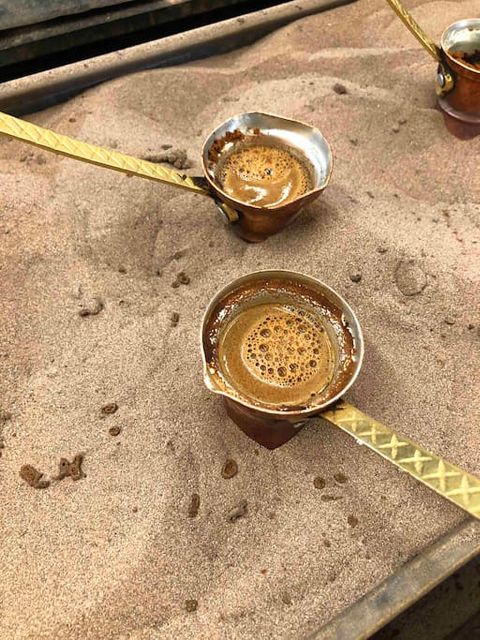
You also watch Greek coffee being prepared in the traditional way and learn how Greek coffee was invented. The coffee stop gives the morning a slower moment after the market walking. If you already drink coffee, pay attention to the preparation and the way it is served. If you do not, the explanation still adds a useful piece of food culture.
The inclusion of a Greek spirit may surprise you at breakfast. It is a small tasting rather than the central feature, and it gives the meal a broader view of Greek drinking customs. Expect food and drink education, not a bar crawl.
Omonoia and the breakfast stop used by locals
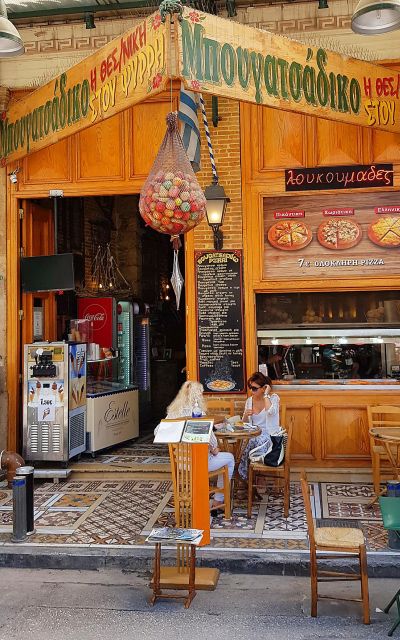
The longest section of the experience takes place around Omonoia and lasts about 70 minutes. This is where the market walk turns into a sit-down breakfast at a meze taverna that caters to local market workers.
That setting is one of the strongest reasons to book. A taverna used by people working nearby has a different feel from a restaurant chosen only for a visitor itinerary. You get a chance to eat the food in a normal social setting, after seeing the ingredients and shops that support it.
The meal can include yoghurt, honey, cheese, sausage, beans, pies, deli items, and other regional foods. The portions and exact selection may vary, so you should think of it as a guided tasting meal rather than a fixed restaurant menu. A sit-down meal also makes the tour feel more substantial than a series of samples.
The food is not limited to meat. One past visit turned into a vegetarian lunch, with the guide offering ideas for recreating the dishes at home. That suggests some flexibility, but it does not change the basic warning for vegans or anyone avoiding dairy. Let the operator know about dietary needs before the tour.
After the meal, you return to Monastiraki. The itinerary includes a short guided section through Athens before the Omonoia stop, so the route is not simply market, restaurant, and back again. You get a broader look at central Athens while moving between food stops.
What the small group changes
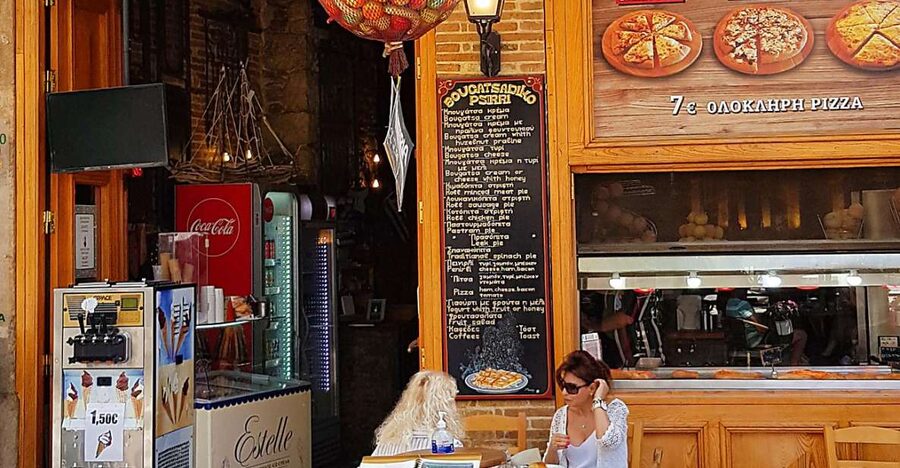
The group is limited to 10 people, which is a good size for this kind of tour. In a market, a large group can block shop entrances and make conversation difficult. A small group lets the guide stop at a counter, explain a product, and keep everyone close without turning the visit into a procession.
Small groups also help with questions. Mike is described as personable and strong on food, people, and culture, while Rachel is noted for her engaging style and care with dietary needs. Guides can change, so treat these names as examples rather than a guarantee of who will lead your departure.
An English-speaking guide leads the experience. The value of that guide is not only translation. You need someone to explain what you are seeing, identify which shops are family businesses, describe how coffee is made, and connect the tastings to Greek daily life. Without that context, the same market route would be far less useful.
Is $58 good value for 2.5 hours?
At $58 per person, this is not the cheapest way to eat breakfast in Athens. You could buy coffee, a pie, yoghurt, and other food for less if cost alone is your concern.
The price makes more sense when you count the tastings, the sit-down meal, the guide, the producer visits, and the practical shopping advice. You are paying for access to several food businesses and for someone to explain what you are eating. The small group also matters because it supports a calmer, more personal visit than a large coach-style excursion.
I see the best value for people who are new to Athens, curious about Greek food, or planning to shop for edible souvenirs. The tour can save you time later by showing you where to buy spices and olives and by explaining what you are likely to see on a menu.
It is less useful if you already know Greek food well, prefer to choose your own restaurants, or want a tour focused on cooking techniques. You will not spend the morning preparing a meal yourself. You will taste, walk, listen, and eat.
Timing, shoes, and who should book
An early departure is a smart choice. You finish with most of the day free for museums, archaeological sites, or a taverna recommended by your guide. Since the route moves through markets and includes several food stops, avoid a heavy meal beforehand.
Wear comfortable shoes. The route includes walks between Monastiraki, Evripidou, Athinas Street, Athens city areas, and Omonoia. Bring water, especially in warm weather. The experience lasts 2.5 hours, so you should be comfortable walking and standing before the final meal.
This tour suits you best if you:
- Want an introduction to Greek breakfast beyond pastries and coffee
- Prefer family-run food shops to standard tourist restaurants
- Like meeting producers and asking questions
- Want a small group with an English-speaking guide
- Plan to shop for Greek food products during your stay
- Enjoy trying several foods rather than ordering one large dish
You should look elsewhere if you need a vegan tour, avoid lactose, dislike meat and fish markets, or want a quiet café breakfast. The market setting is authentic, but authenticity includes strong smells, working stalls, and a fair amount of walking.
Should you book Breakfast in the Markets with Olive Oil and Honey Tasting?
Book it if you want your first Athens breakfast to double as a practical food orientation. The strongest parts are the market route, the olive oil and honey tastings, the traditional coffee preparation, and the meal at a taverna used by market traders.
I would choose this tour early in an Athens stay. You can use the advice later when ordering breakfast, visiting a taverna, or shopping for olive oil, spices, and olives. The $58 price is fair for the amount of food and guidance included, though not a bargain for anyone who only wants a cheap meal.
Skip it if your dietary needs make the included foods unsuitable or if you want a private, quiet, restaurant-based experience. For everyone else, the small group and direct contact with local food businesses make this a useful, tasty way to get oriented.
FAQ
Where does the tour meet?
The meeting point is outside En Athinas, a small pie shop beside the Cecil Hotel and a large Cosmote shop in the Monastiraki area.
How long does the experience last?
The tour lasts 2.5 hours and finishes back at Monastiraki.
What food and drink do you taste?
Tastings include Greek yoghurt with local honey, spanakopita and other pies, sausage, cheeses, deli meats, beans, Greek coffee, local snacks, dessert, and a Greek spirit.
Does the tour include olive oil and honey tastings?
Yes. You visit an olive shop run by an olive farmer and meet a beekeeper family while learning about olive oil and honey.
Is the tour suitable for vegans?
No. The experience is marked as unsuitable for vegans.
Is the tour suitable for people with lactose intolerance?
No. The experience is marked as unsuitable for people with lactose intolerance. You should provide any dietary requirements when booking.
How large is the group?
The group is limited to 10 participants. An English-speaking live guide leads the tour.
Newly reviewed around Athens
- Athens: workshop for painting landscape with local artist★ 4.6 · 3 reviews
- Athens: Greek Wine & Olive Oil Tasting at Brettos Plaka★ 4.5 · 3 reviews
- Outdoor Yoga and Pilates with Akropolis view★ 4.0 · 5 reviews
- Acropolis of Athens: 60′ Tour in a Vintage Motorcycle★ 5.0 · 4 reviews
- Ultimate Tasting of the Volcanic Wines of Greece★ 5.0 · 3 reviews
- workshop for painting acropolis/landscape with local artist★ 5.0 · 3 reviews
- Athens at Twilight Night Tour with Drinks and Meze Dishes★ 4.8 · 4 reviews
- Athens: Greek Wines Tasting with Sommelier and Acropolis Views★ 5.0 · 88 reviews
Athens Olive Oil Tastings, compared.
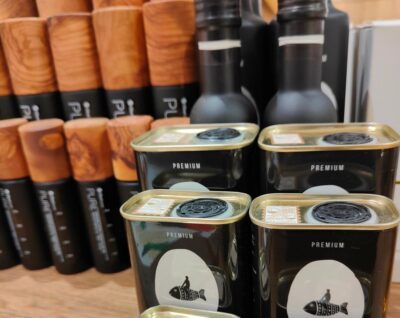
Athens Old Town: Greek Olive Oil & Herbs Tasting
Read our review →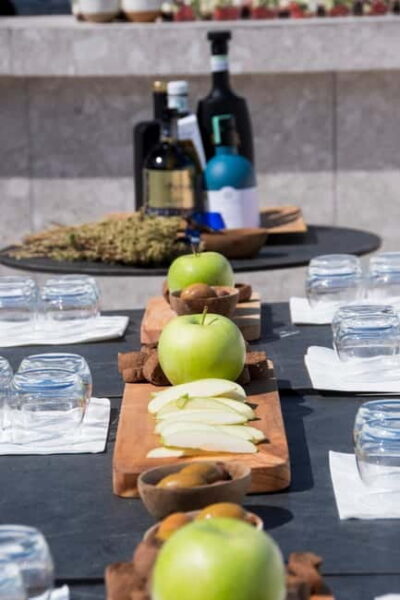
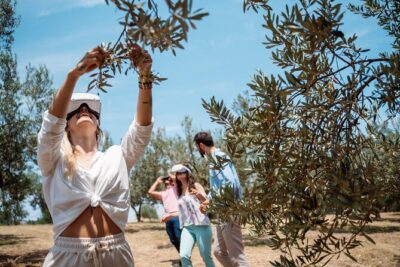
Full-Day Private Tour Corinth and Olive Oil Tasting from Athens
Read our review →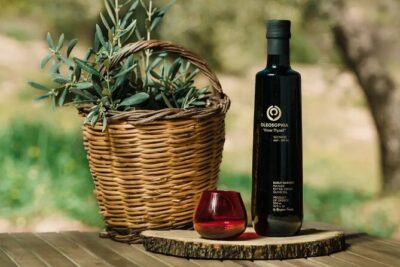
Olive Oil Tasting, Olive Grove & Wine Experience
Read our review →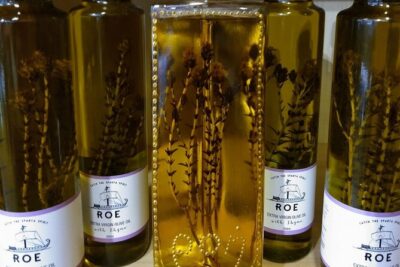

Private tour in Nafplio with Olive oil Tasting Tour in Corinth
Read our review →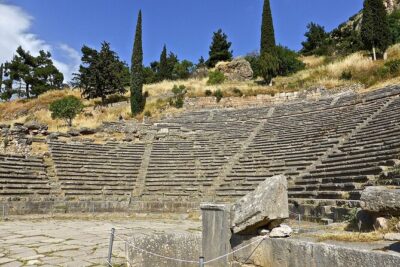
2-Day Delphi & Olympia Tour with Olive Oil & Honey Tasting
Read our review →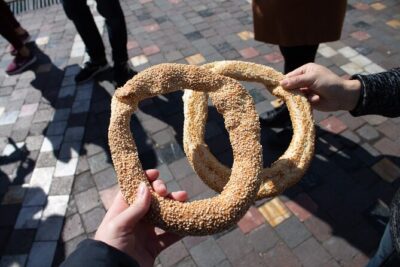
Traditional breakfast in markets with olive oil and honey tasting
Read our review →Browse the lists this tour appears in