
Reviewed · ATHENS FOOD TOURS
Athens Shore Excursion: Small-Group Food Tour
Athens reveals itself especially well through its food stalls and neighborhood shops. This four-hour walk takes you from Piraeus into central Athens to sample koulouri, loukoumades, olive oil, market foods, and a generous gyro, while your guide explains how Greek food fits into daily life. Varvakeios Market is the star: expect meat, fish, fruit, herbs, and spices rather than a polished tourist display.
I like the easy port pickup and return, a major help on a cruise day, and I like the chance to see ordinary Athens beyond the Acropolis route. Guides such as Eva, Artemis, Theo, Katerina, and Fotis have been praised for their warmth, local knowledge, and ability to connect food with neighborhood life. The tradeoff is the walking: allow roughly 3.5 to 4.5 miles, and stay near the guide so you can hear the commentary.
Key points to know before you book
- Varvakeios Market gives you a real look at Athens: Meat, fish, produce, herbs, and spice stalls replace the usual sightseeing script.
- You will eat more than the word tasting suggests: Several stops can lead to a full stomach, often ending with a substantial gyro.
- The port transfer protects your cruise schedule: Pickup starts at Piraeus at 8:45 am, with return transportation arranged afterward.
- The walk is a serious part of the tour: Comfortable shoes, sun protection, and a willingness to keep moving matter.
- The group is intended to stay small: The tour is described as limited to 14 people, though the booking information also lists a maximum of 24, so confirm the size before paying.
- Plaka time adds flexibility: After the guided food walk, you have free time to explore on your own before the ride back.
Why this food tour shows you a different Athens
Many Athens shore excursions point straight toward the Acropolis. That makes sense for a first visit, but it also means you can spend the day among monuments and miss the city where Athenians shop, eat, argue, and catch up over coffee.
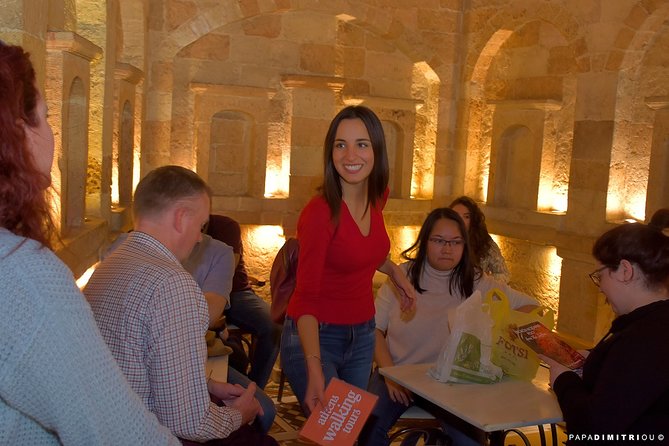
This tour takes another route. You walk through central Athens with a food specialist, moving between market stalls, small shops, cafés, and places serving familiar Greek dishes. The food gives the walk a purpose, but the city around it is just as important. You see working neighborhoods, narrow streets, old shops, and the less polished side of Athens.
I especially like this approach if you have already seen the main ancient sights, or if your cruise schedule gives you only one day and you want something more personal than a coach tour. The food also gives you useful context. You are not simply told that Greek cuisine uses herbs, olive oil, bread, and fresh produce. You see those ingredients in shops and markets, then taste them in forms you can recognize later in your trip.
The experience has earned a 4.6 rating from 39 published ratings, with 92 percent recommending it. That is a strong result, but the uneven experiences matter too. The best days depend heavily on the guide, the group’s walking pace, and your expectations about what counts as a meal.
More food tours in Athens:
- Greek Food Walking Tour in Athens
★ 5.0 · 4,740 reviews - Athens: Street Food Tasting Tour
★ 4.9 · 2,557 reviews - Small Group Greek Traditional Food Tour in Athens 20+ Tastings
★ 5.0 · 1,759 reviews
From Piraeus Port to central Athens
The morning begins at Piraeus Port at 8:45 am. Round-trip transport is included, which removes one of the biggest worries for cruise passengers: finding a taxi in an unfamiliar port and getting back before departure.
The pickup is usually handled by taxi or arranged vehicle rather than a large sightseeing coach. One practical advantage is that your group can move into the city without dealing with a long series of hotel stops. The return ride is also arranged for you, but pay close attention to the exact pickup time and location given on the day.
The timing deserves care. The walking portion may finish well before the return transfer, leaving you free time in Plaka. That is useful if you want to browse, eat again, or walk toward the Acropolis Museum. It can also feel awkward if you would rather return straight to the ship. One excursion day ended with a ride back around 4 pm, and another account described a wait of several hours after the walk.
For a cruise passenger, this is not necessarily a flaw. It gives you a buffer and time to explore. Still, you should check the sailing time and the agreed return plan. If the schedule feels too tight, ask the guide or driver to confirm it before you leave the port.
Koulouri, pastries, and the Greek day on your plate
The tasting begins with the kinds of foods that make sense in everyday Athens. Sesame-covered koulouri, a ring-shaped bread snack, is a simple introduction to Greek street food. It is filling without being heavy, which is helpful early in a morning walk.
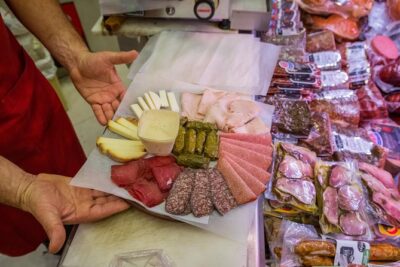
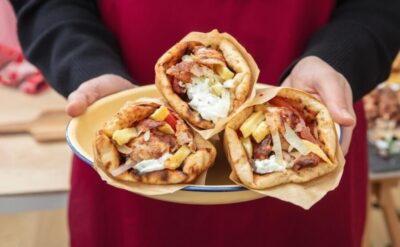
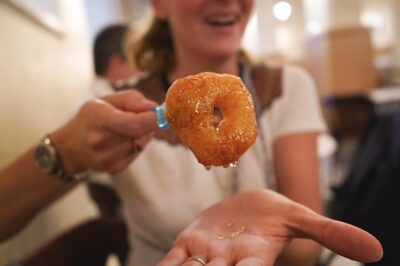
You may also try loukoumades, small syrupy pastries that bring a sweet note to the route. Other stops can include snacks from small food shops, café dishes, olive oil, cured products, market items, and a final gyro. The exact selection can change, but the pattern is clear: you sample many small portions rather than sit down for one long lunch.
Do not eat a large breakfast. Several people finished the tour with very full stomachs, and the gyro at the end can be more than a light bite. The food is not presented as a formal lunch or dinner, and those meals are not listed as separate inclusions. In practice, though, the combination of samples can amount to a satisfying meal.
The strongest part is the range. You are not tasting only the familiar Greek restaurant staples. You may see or try items such as camel meat, green beans with wine, local breads, pastries, olive oil, and other foods linked to the shops along the route. If you have dietary restrictions, tell the operator about allergies before the tour. Do not assume every stop can adjust a dish at short notice.
Varvakeios Market, the tour’s most memorable stop
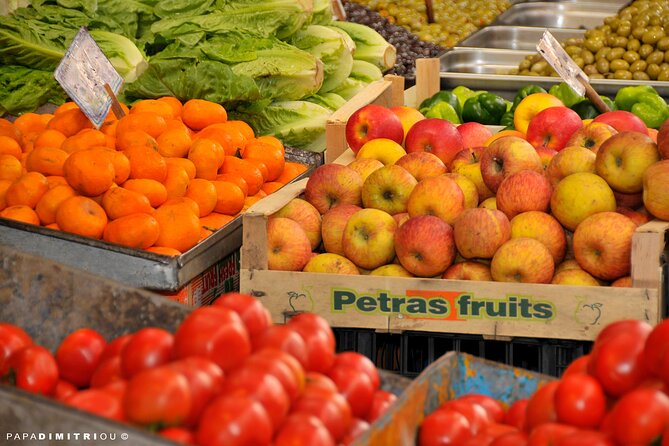
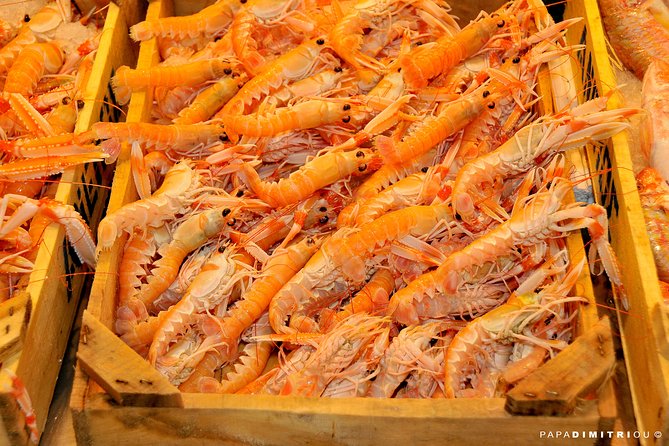
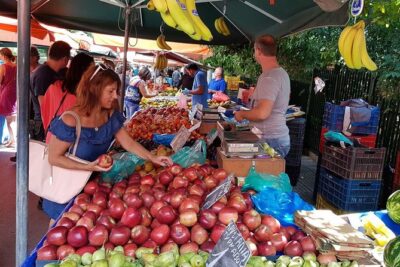
Varvakeios Market gives the excursion its strongest sense of place. Its meat and fish sections show how food reaches the Athenian kitchen, while produce, herb, and spice stalls add color and scent to the walk. This is a working market, not a staged attraction, so you should expect a practical atmosphere and the sights associated with a real food hall.
The market helps explain Greek cooking better than a lecture alone. You can look at the herbs used in home kitchens, see the range of fresh produce, and understand why olive oil, vegetables, seafood, and meat all hold such a clear place in local meals.
It is also a good spot to stay close to the guide. Markets can be noisy, crowded, and distracting. One useful criticism of the tour is that a guide who walks too quickly can be hard to follow, especially through narrow streets. If you want to hear the food explanations, keep within speaking distance and say something early if the pace is too fast.
The market may appeal less to anyone looking for a tidy, air-conditioned food hall. It is more direct than that. You are there to see the everyday trade of Athens, and the experience can be more interesting for that reason.
More shore excursions from Athens:
- Athens Shore Excursion: Athens and Piraeus Hop-On Hop-Off Bus Tour
★ 4.0 · 617 reviews - Essential Athens Full Day Private Tour – Best Shore Excursion
★ 5.0 · 168 reviews - Athens Shore Excursion: Acropolis Walking Tour
★ 4.5 · 131 reviews - From Cruise Port: The Acropolis & Athens Highlights Tour
★ 4.6 · 61 reviews
Specialty shops, olive oil, and local relationships
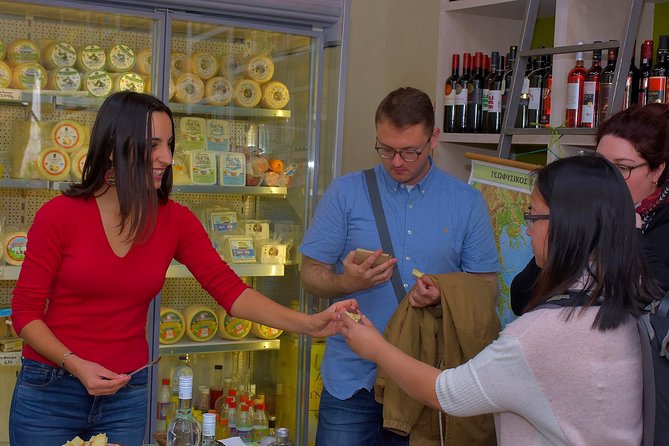
After the market, the route can continue through specialty food stores and small cafés. These stops are where the guide’s personality matters most. Strong guides do more than point at a product. They explain how it is made, why it matters, and how it fits into Greek meals.
The olive oil shop has been a favorite stop for many people because the owner sometimes joins the visit. The shop also carries products from small Greek businesses, so you get a chance to see more than bottles of oil. You may learn how to think about flavor, production, and regional foods while browsing.
That stop is also a reminder that the tour is not only about eating. It connects you with shop owners and cooks, and those short conversations can make the city feel less like a backdrop. Guides including Eva, Artemis, Theo, and Fotis have been singled out for their warmth and clear explanations, while Katerina has been praised for keeping a group together on narrow streets.
There is a small limitation. Some people wanted more time to browse or sample products in the specialty shops. The tour moves on, and you may not have enough time for a leisurely purchase. If a shop interests you, note its location or ask the guide whether you can return during your Plaka free time.
Walking through Athens between the bites
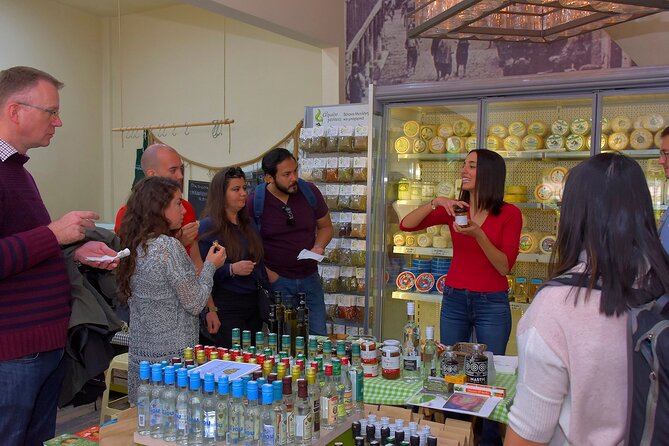
The food gives you regular pauses, but this is still a walking tour. Estimates from the route put the total distance at about 3.5 to 4.5 miles, including the walk connected with the end of the tour. There are not many stairs, but the distance and pace can still be demanding.
Wear shoes you can walk in for several hours. Bring sunscreen and a hat, especially in warm weather, and dress for the forecast. Athens sun can make a moderate walk feel harder than expected.
The guide may share stories about Greek family life, food customs, social change, local economics, and the city’s older neighborhoods. This is where the tour becomes more than a series of tastings. You learn why certain foods appear at certain times of day and how daily habits shape the city’s eating culture.
Pacing is the main concern. Most participants can take part, but the general note that most people can participate is not the same as a promise of an easy route. One person with a mobility issue found the pace difficult even after the operator had been contacted in advance. If you have trouble walking quickly or need regular rests, explain that clearly before booking and again when you meet the guide.
Free time in Plaka after the guided route
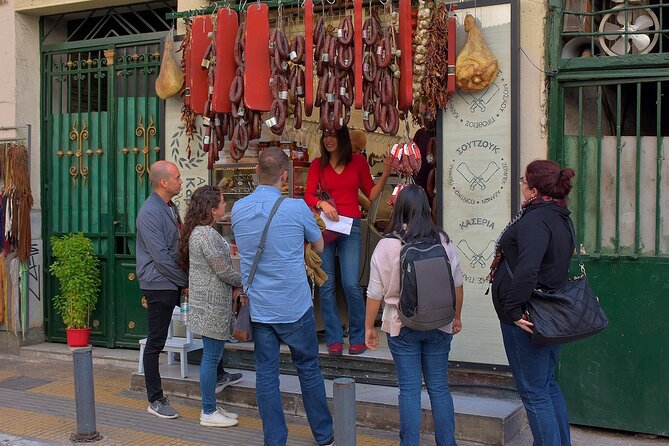
The guided food walk ends with free time in Plaka, one of the most useful features for cruise passengers. Instead of being placed directly back into a vehicle, you can choose how to use the remaining hours.
You might browse shops, stop at a café, or walk toward the Acropolis and the Parthenon. Some people have used this time to visit the Acropolis Museum, while others simply wandered through the streets after a morning of food and conversation.
The free time also gives you a chance to revisit anything you passed too quickly. If the group moved briskly through a shop or market, you can use the independent portion to slow down. Just keep an eye on the agreed meeting point and pickup time.
This arrangement works best if you enjoy having some control over your day. It is less suitable if you want a tightly managed excursion with every minute planned and a guide beside you until the return vehicle arrives.
What you get for $133.01
At $133.01 per person, this is not a cheap way to grab lunch. The price includes food and drink samples, the four-hour food walk, an English-speaking food specialist, round-trip transportation from Piraeus, free time in Plaka, and an Athens map and guide magazine.
The transfer adds real value for a cruise passenger. A separate taxi into Athens and back can be costly and inconvenient, and the operator takes on the work of coordinating the return. The guide is another important part of the price. You are paying for access to local food stops and for explanations that would be difficult to assemble on your own in one morning.
The value drops if you expect a sit-down meal, a large number of full portions, or a relaxed pace. The experience is best understood as a walking lesson in Athens food culture with generous samples, not as a restaurant crawl. Since lunch or dinner is not included, you should decide if the tastings are enough for you or plan to buy something during free time.
The tour is generally booked well ahead, with an average booking lead time of 61 days. That suggests planning early is sensible, especially for a cruise date. Free cancellation is available up to 24 hours before the start time, but changes or cancellations inside that window are not accepted.
Who will enjoy this Athens shore excursion
I would choose this tour if you want to:
- See central Athens beyond the main ancient monuments
- Eat several Greek specialties in one morning
- Visit Varvakeios Market and local food shops
- Learn from a guide who can connect food with history and daily life
- Avoid arranging your own transport from Piraeus
- Have independent time in Plaka afterward
I would think twice if you dislike walking, need a slow and carefully paced route, or want a formal lunch with long periods at a table. The tour can also disappoint if you expect every stop to provide a full serving. It is a series of tastings, and the exact stops can vary.
The small-group format should help in narrow streets. The tour is described as limited to 14 people, though another booking detail gives a maximum of 24. Ask for the expected group size if that matters to you. A smaller group makes it easier to hear the guide and stay together, especially inside the market.
Should you book the Athens food tour?
I would book it for a first or second day in Athens if food, local neighborhoods, and practical port transport matter more to you than checking off every ancient site. The market, specialty shops, and free time in Plaka create a good mix of guided insight and personal wandering.
Go hungry, wear proper walking shoes, and confirm the return timing before you leave Piraeus. If you have mobility limits, ask direct questions about pace and distance rather than relying only on the general participation note.
The strongest guides turn this into a memorable morning. The weaker experience comes when the pace is too fast or the tastings feel smaller than expected. At $133.01, I see fair value for a cruise passenger who wants food, transport, and a local view of Athens in one package. I would skip it only if you need a slow route or want the Acropolis to be the main event.
FAQ
Where does the Athens food tour start?
The tour starts at Piraeus Port at 8:45 am.
Does the tour include transportation from the cruise port?
Yes. Round-trip transfer from the Port of Piraeus and back is included.
What foods might I taste?
Possible tastings include sesame-covered koulouri, loukoumades pastries, market foods, olive oil, café dishes, specialty shop products, and a gyro. The exact selection can vary.
Is lunch included?
No formal lunch or dinner is listed as an inclusion. The tour does provide food and beverage samples, and the tastings may leave you full.
How much walking is involved?
The route involves substantial walking. Estimates given for the full route are about 3.5 to 4.5 miles, with few stairs.
How large is the group?
The tour is described as a small-group experience limited to 14 people, while the additional booking information lists a maximum of 24 travelers. Confirm the expected group size when booking.
What happens after the food walk?
You have free time in Plaka, then the activity ends back at the meeting point after the arranged return transfer.
Newly reviewed around Athens
- Athens: workshop for painting landscape with local artist★ 4.6 · 3 reviews
- Athens: Greek Wine & Olive Oil Tasting at Brettos Plaka★ 4.5 · 3 reviews
- Outdoor Yoga and Pilates with Akropolis view★ 4.0 · 5 reviews
- Acropolis of Athens: 60′ Tour in a Vintage Motorcycle★ 5.0 · 4 reviews
- Ultimate Tasting of the Volcanic Wines of Greece★ 5.0 · 3 reviews
- workshop for painting acropolis/landscape with local artist★ 5.0 · 3 reviews
- Athens at Twilight Night Tour with Drinks and Meze Dishes★ 4.8 · 4 reviews
- Breakfast in the markets with olive oil and honey tasting★ 4.8 · 8 reviews
Athens Food Tours, compared.
Small Group Greek Traditional Food Tour in Athens 20+ Tastings
Read our review →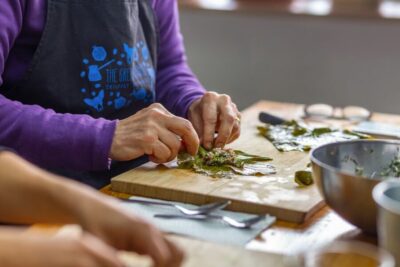
Food Market Visit and Cooking Class with Wine
Read our review →
Athens Authentic Greek Food Walking Tour (Small Group)
Read our review →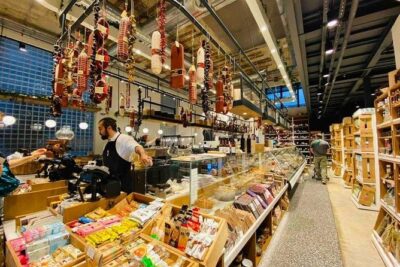
Browse the lists this tour appears in