

Reviewed · ATHENS ACROPOLIS TOURS
Athens: Acropolis Museum and Acropolis Tour in the Afternoon
The smartest feature here is the order: you see the Acropolis Museum first, then walk uphill to the monuments it helps you understand. By the time you reach the Parthenon, its carved figures, temples, and missing marbles have a clearer story.
I like the cooler afternoon start, which helps you avoid the worst morning rush and midday heat. I also like the guides’ approach. Apollo, Ellenica, Jordan, and Margarita are praised for clear explanations, good English, and a knack for making mythology and ancient politics easy to follow. The drawback is strict timing: if you arrange your own tickets incorrectly or arrive late, the Acropolis entry can be lost.
Key points to know before booking
- Museum before monument: The galleries give you the background needed to make sense of the Acropolis.
- Afternoon timing: You begin at noon or later, depending on the date, which can mean cooler weather and fewer early crowds.
- Four hours on foot: Expect stairs, uneven stone, sun, and a steady walking pace.
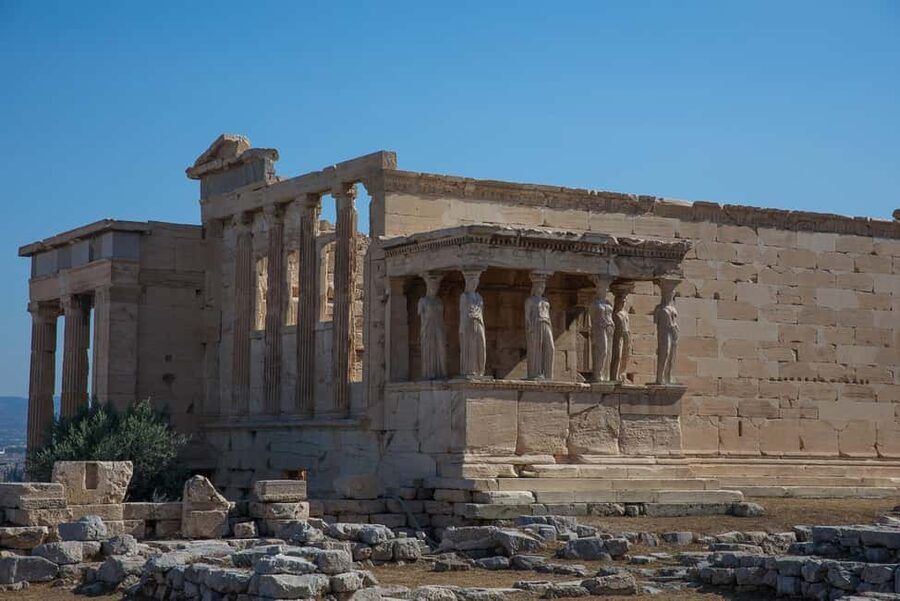
- Parthenon finish: The route ends among Athens’ most famous monuments, with time to see the Parthenon, Erechtheion, and Temple of Athena Nike.
- Tickets need care: Choose the ticket option if you want admission arranged for you. Otherwise, you must buy tickets for the exact date, time, and citizenship category.
- English only: The live guide and headsets are provided in English.
Why the Museum-First Order Works So Well
Many people reach the Acropolis, take in the Parthenon, and then wonder what they are looking at. This tour reverses that habit. You begin inside the modern Acropolis Museum, where sculptures, pottery, architectural fragments, and statues introduce the many periods connected with the hill.
The museum covers the Archaic, Classical, Hellenistic, and Roman eras. That matters because the Acropolis was not a single frozen moment in Greek history. Its buildings and artworks changed as Athens changed, and your guide can connect those changes to the pieces in front of you.
The Parthenon Marbles receive special attention, along with architectural remains and statues tied to the temples above. Greek mythology also enters the story, especially when the guide explains the contest between two gods for the protection of Athens.
I like this sequence because the museum gives you a visual vocabulary. When you later see a column, statue, or temple platform outdoors, you have already heard why it matters. Ellenica and Margarita are praised for giving information in manageable portions, leaving enough time for you to look instead of filling every second with facts.
The museum is also a sensible place to begin during a hot Athens afternoon. You spend the first 75 minutes indoors, in cool comfort, before heading outside. This is not a small benefit in summer.
More ways to see the Acropolis:
- Athens: Acropolis & up to 5 Archaeological Sites Combo Pass
★ 4.4 · 12,619 reviews - Athens: Acropolis Ticket with Optional Audio or Live Guide
★ 4.2 · 11,055 reviews - Athens: Acropolis, Parthenon & Acropolis Museum Guided Tour
★ 4.8 · 9,316 reviews
Meeting at Dionysiou Areopagitou Street
You meet at 3 Dionyssiou Areopagitou Street, at the start of the pedestrian walkway leading toward the Acropolis from Hadrian’s Arch and Syngrou Avenue. Look for the orange Athens Walking Tours sign.
Arrive early. The tour uses timed access to the Acropolis, and the guide cannot simply hold the group while a late arrival catches up. The instructions are clear that latecomers may miss entry and receive no refund.
The group is supplied with headsets, which should help when you are standing among crowds or spread out near the monuments. That is useful on the Acropolis, where wind, footsteps, and groups speaking nearby can make a guide hard to hear.
The tour is in English. Guide assignments vary, but the names praised in the supplied feedback include Apollo, Ellenica, Jordan, Margarita, and Jim. The strongest pattern is not a particular guide’s personality but the value of having someone explain the site in person. Jordan is praised for making the route enjoyable, while Apollo is noted for being helpful to a solo participant, including taking a photograph.
Inside the Acropolis Museum for 75 Minutes

The museum portion lasts about 75 minutes. That is long enough for a useful guided visit, though not enough to see every gallery at length. You will follow your guide through displays linked to the Acropolis and its long sequence of use.
Expect to see:
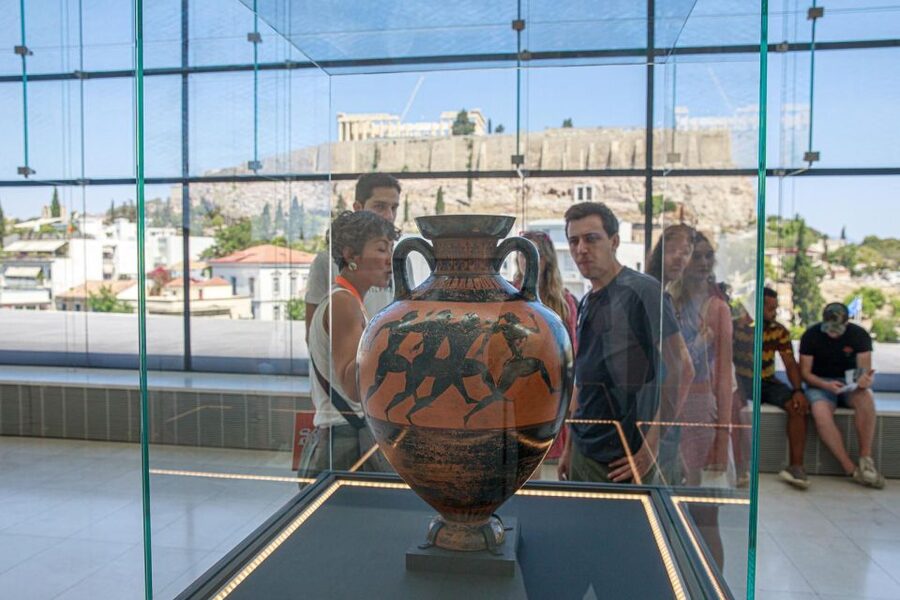
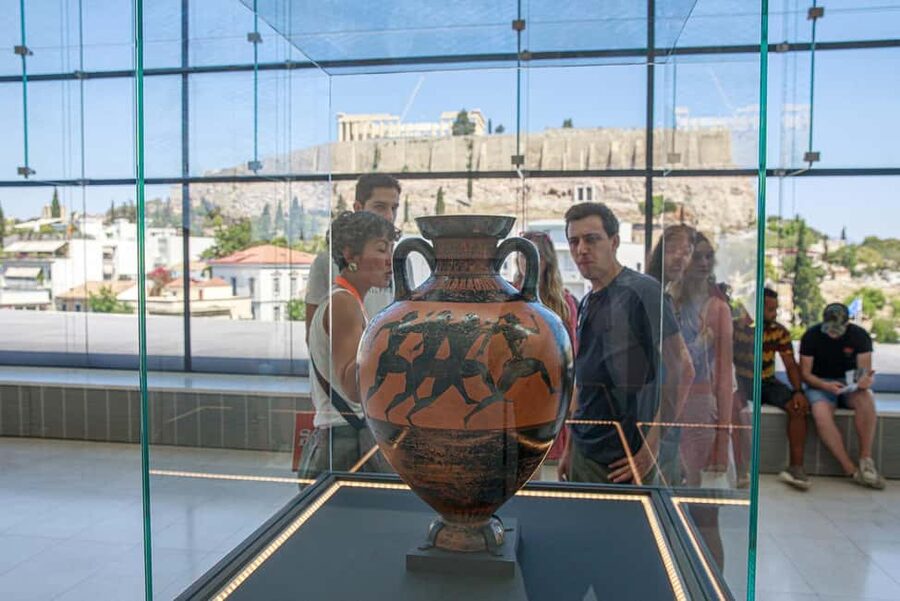
- Parthenon Marbles and other architectural fragments
- Archaic-period statues
- Pottery and archaeological objects
- Material from Classical, Hellenistic, and Roman periods
- Stories drawn from Greek mythology
The guide’s job here is to sort the important pieces from the background material. That can be especially helpful if ancient Greek art is not familiar to you. Rather than simply pointing out a statue, the guide can explain its place in the development of Athens and its connection to the hill outside.
Pay attention to the museum’s direct view of the Acropolis. The building was placed to keep the ancient site visually present, so you begin to connect the exhibits with the real temples above. It is a useful preview of the climb to come.
The museum also makes the later visit less abstract. The Acropolis is impressive even without explanation, but its power increases when you understand the objects, ceremonies, gods, and building projects tied to it. One participant specifically found that seeing the museum first made the outdoor visit make much more sense.
The Ten-Minute Café Break
After the museum, you have a short refreshment break at a local café. The planned break is about 10 minutes, so think of it as a chance to catch your breath and buy or drink something if permitted at that point, not as a full meal stop.
Food and drink are not included. The site rules also state that food and drinks are not allowed inside the Acropolis area, so do not count on carrying refreshments through the archaeological grounds. Bring water for the day and use the break wisely.
The short pause has practical value. You have already been on your feet inside the museum, and the outdoor route brings sun, steps, and uneven surfaces. In hot weather, even ten minutes can help you reset before the climb.
More museums and ancient sites in Athens:
- Athens: Acropolis, Parthenon & Acropolis Museum Guided Tour
★ 4.8 · 3,579 reviews - Acropolis monuments & Parthenon Walking Tour with Optional Acropolis Museum
★ 5.0 · 2,678 reviews - Athens: Acropolis Museum Ticket with optional Audio Guide
★ 4.4 · 2,652 reviews - Parthenon & Acropolis Museum with Audio or Live Tour Option
★ 4.1 · 2,446 reviews
Entering the Acropolis from the South Slope
The Acropolis entry takes place about 90 minutes after the tour begins. You approach through the south slope, which brings you past several important sites before the Parthenon.
The first stop is the Acropolis area itself, followed by the Theater of Dionysus. Here, your guide explains the origins of theater and the role this place played in ancient Athens. It is a good reminder that the Acropolis was not only a religious center. It was part of a wider civic world where drama, worship, medicine, and public life overlapped.
Next comes the Odeon of Herodes Atticus. The planned explanation is brief, around five minutes, but the structure is memorable. From here, you continue toward the Propylaea, the monumental entrance to the upper Acropolis.
The route does not treat the hill as one giant photo stop. It breaks the approach into distinct places and stories. That makes the climb feel more purposeful, though it also means you should expect frequent pauses and a group moving at the guide’s pace.
The Erechtheion and the Contest for Athens
The Erechtheion is one of the most distinctive buildings on the Acropolis. Its unusual design and famous porch give your guide plenty to explain, including the ancient contest between gods over who would protect Athens.
This is one of the stops where a live guide adds real value. Without context, you may simply see a beautiful but irregular temple. With the story attached, the building becomes part of the city’s identity and mythology.
The planned stop lasts about 10 minutes. That is enough for an explanation and a look, but not a long, quiet period for sketching or detailed photography. If you want extensive independent time at the Erechtheion, plan to return on your own.
The hill can be crowded, and one participant found it hard to keep up with the guide during the Acropolis portion. Stay close, listen through the headset, and avoid drifting away for the perfect picture. The group has a timed route to follow.
The Parthenon, the Main Payoff
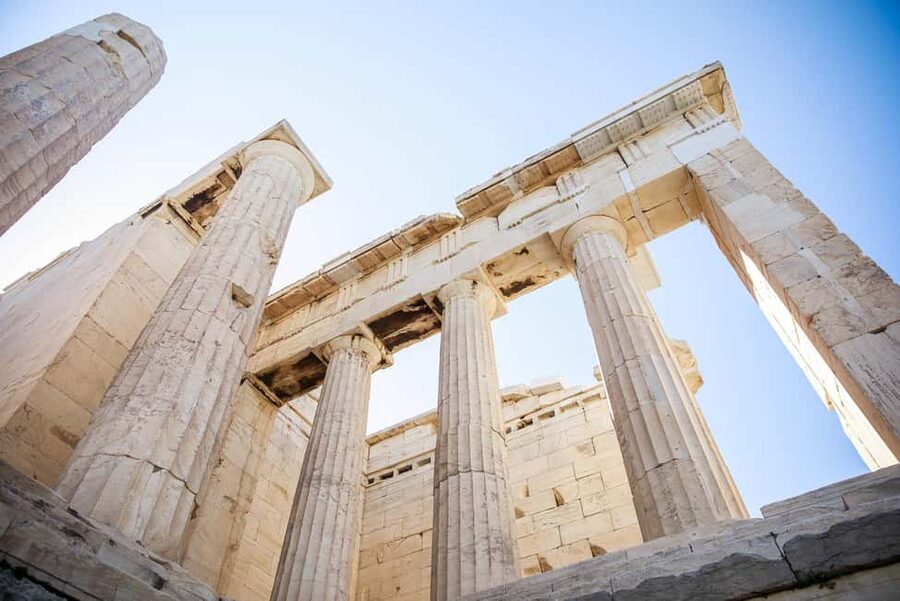
The tour saves the Parthenon for the end of the Acropolis visit. You spend about 20 minutes there, hearing about its design, purpose, and place in Athenian history.
This is the moment when the museum visit pays off. You have already seen sculptures and fragments indoors, so the columns and broad platform are not just a famous backdrop. You can better picture the original decoration and understand why so much attention is paid to the building’s surviving details.
The Parthenon is also the busiest part of the route. You may need patience for other groups, photography, and narrow viewing areas. The afternoon schedule can reduce the morning crush, but it does not turn the site into a private visit.
Take your pictures, but give yourself a few quiet seconds to look beyond the camera. The structure is powerful because of its setting, scale, and survival, not only because it is familiar from guidebooks.
Temple of Athena Nike and the End of the Route
The Temple of Athena Nike is another short guided stop, planned for about five minutes. Its position near the entrance makes it easy to miss when you are focused on the larger buildings, so having it included is useful.
By this point, you have seen the Theater of Dionysus, the Odeon, the Propylaea, the Erechtheion, the Parthenon, and the Temple of Athena Nike. The route gives you a solid introduction rather than an exhaustive archaeological study.
The listed end point is the Acropolis, while the meeting information also says the activity ends back at the meeting point. Because those directions do not match perfectly, confirm the final arrangement with the operator before you go, especially if you have a dinner reservation or transport waiting.
What the $115 Price Really Buys You

The listed price is $115 per person. That is not a budget entry ticket, so the value depends on how much you want from a guide-led visit.
You are paying for four hours of organized sightseeing, an English-speaking guide, headsets, skip-the-ticket-line service, an Athens map, and a guidebook with local recommendations. Pre-booked entry tickets are included only if you select that option.
The tour is a good use of money if you want the museum and Acropolis explained as one connected experience. It is also useful if you prefer not to work out the meaning of every statue and ruin yourself.
The ticket choice deserves careful attention. If you do not choose the ticket option, you must buy your own admission from the official websites. You need the correct date, time, and category, including EU or non-EU citizenship and any student status. Bring your passport, since citizenship may be checked.
The Acropolis ticket must match the tour’s entry time, which is about 90 minutes after the start. Buy the tickets before booking the tour if you are handling admission yourself. A wrong time, wrong category, or missing ticket can prevent you from joining, and the tour fee is non-refundable in that situation.
During free Acropolis entry days, the admission cost is already deducted from the tour price. That is another detail worth checking before you compare the cost with a self-guided visit.
Heat, Crowds, and What to Carry
The later start is one of the tour’s strongest practical features. You avoid the early morning crowd and the hottest part of the day at the beginning, then reach the open hill later in the afternoon.
Do not mistake afternoon for cool. Athens can still be very hot, and one group needed shaded stops and pauses to catch its breath. Wear comfortable shoes, a hat, sunscreen, and weather-appropriate clothing. Carry water, but follow the site rules about food and drinks.
Backpacks and baby strollers are not allowed. Security checks can resemble airport screening, and waits may exceed 30 minutes in peak season. Build patience into your plans and do not schedule an immediate appointment after the tour.
The route is not suitable for wheelchair users or people with mobility impairments. You will walk on uneven surfaces and deal with steps and slopes. If that sounds difficult, a self-guided visit may not solve the access problem either, so check current site information before booking.
Who Will Get the Most From This Tour?
I would choose this tour if you want a clear introduction to Athens’ main ancient site and prefer explanation over wandering alone. It suits first-time visitors, people interested in Greek mythology, and anyone who wants the museum and Acropolis presented as one story.
It is also a good choice for solo visitors. Apollo’s willingness to take a photograph shows the small practical kindness that can make a guided visit easier when you are alone.
Families with older children may appreciate the stories about theater, rival gods, and ancient remedies at the Asclepius Sanctuary. The route gives children several subjects to focus on rather than asking them to admire columns for four straight hours.
I would hesitate if you need a slow, highly flexible visit. The schedule is fixed, the Acropolis entry is timed, and the guide cannot wait for late arrivals. I would also look elsewhere if you want a full day at the museum or long periods for independent photography.
Should You Book It?
Book this tour if the museum-first sequence appeals to you and you want an informed guide to connect ancient objects with the monuments above. The afternoon timing, headsets, short break, and planned route make a demanding site easier to handle.
Choose the ticket-included option if you want fewer details to manage. If you buy tickets yourself, check every field carefully and arrive early. The tour is worth the $115 for visitors who value context, organization, and a cooler start, but independent sightseers who already know the Acropolis may prefer to pay less and set their own pace.
FAQ
How long does the tour last?
The tour lasts four hours. Check the available dates for the exact starting time.
Where does the tour begin?
Meet at 3 Dionyssiou Areopagitou Street, near the start of the pedestrian walkway leading to the Acropolis from Hadrian’s Arch and Syngrou Avenue. Look for the orange Athens Walking Tours sign.
Is the Acropolis Museum visited before the Acropolis?
Yes. The tour begins with about 75 minutes at the Acropolis Museum, followed by a short café break and then the Acropolis visit.
Are entry tickets included?
Pre-booked entry tickets are included only when you select the ticket option. Without that option, you must buy official tickets yourself for the correct date, time, citizenship category, and entry time.
What language is the tour in?
The live guided tour is in English. Headsets are provided so you can hear the guide during the outdoor visit.
What should I bring?
Bring comfortable shoes, a hat, sunscreen, water, a camera, and clothing suited to the weather. Backpacks, baby strollers, food, and drinks are not allowed on the Acropolis visit.
Is the tour suitable for wheelchair users?
No. The activity is not suitable for wheelchair users or people with mobility impairments.
Newly reviewed around Athens
- Feel Ancient thermal Spa Visit Delphi, Leonidas ℨoo Spaʀtan★ 5.0 · 4 reviews
- Food Tour★ 5.0 · 3 reviews
- Explore the Hidden Food Gems of Athens★ 5.0 · 57 reviews
- Food Experience in Athens including Unlimited Lunch★ 5.0 · 3 reviews
- Eat Your Way Through Athens: A Local Food Walk★ 4.9 · 97 reviews
- From Athens: Delphi Private Tour with Lunch Time★ 4.0 · 3 reviews
- Delphi: Spanish guided one day tour★ 4.6 · 55 reviews
- Early Entry Acropolis & Museum. Beat the Crowds & the heat★ 5.0 · 3 reviews
Athens Acropolis Tours, compared.
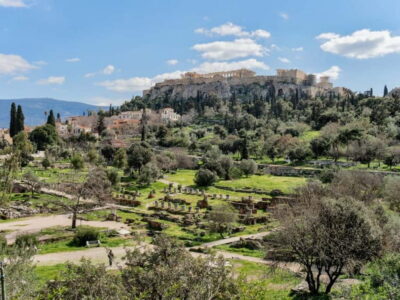
Acropolis & up to 5 Archaeological Sites Combo Pass
Read our review →
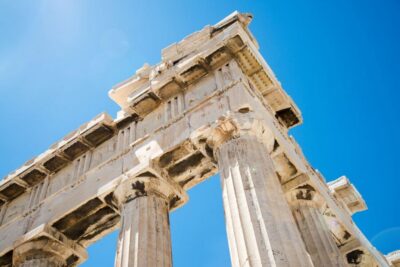
Acropolis, Parthenon & Acropolis Museum Guided Tour
Read our review →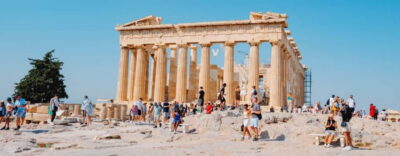
Acropolis, Parthenon & Acropolis Museum Guided Tour
Read our review →

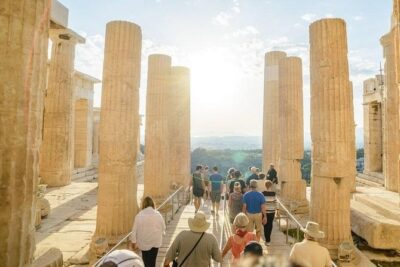
Acropolis monuments & Parthenon Walking Tour with Optional Acropolis Museum
Read our review →Browse the lists this tour appears in