
Reviewed · ATHENS ACROPOLIS TOURS
Acropolis and Acropolis Museum afternoon tour
The best reason to book this tour is the timing. You visit the Acropolis Museum in the evening, then see the monuments glowing above Athens, when the worst heat and many cruise-ship crowds have eased. The included tickets also spare you one more queue to manage.
I like the small maximum group size, listed as 20 in one place and 30 in another, and I like the practical care built into the walk. Guide Lydia, for example, made room for water, shade, and bathroom breaks while explaining the site. The audio device is another smart touch, since the Acropolis can be noisy and crowded.
The main consideration is the price: $132.45 per person is a serious spend for four hours. You should also confirm the exact meeting point and order of visits before setting out, since the information gives both the Acropolis Museum and an Athens Walks office on Athanasiou Diakou Street as meeting details.
Key points to know before booking
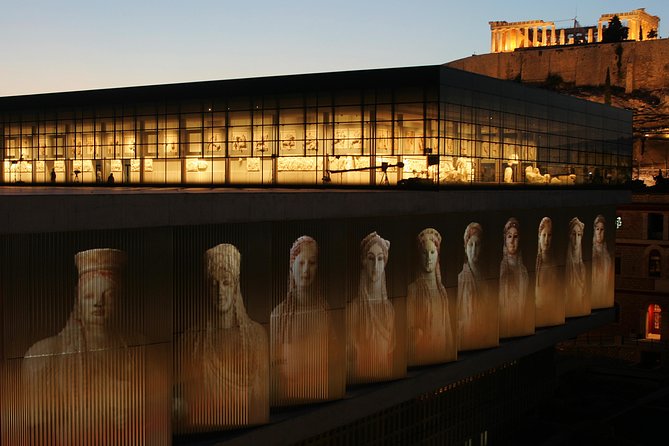
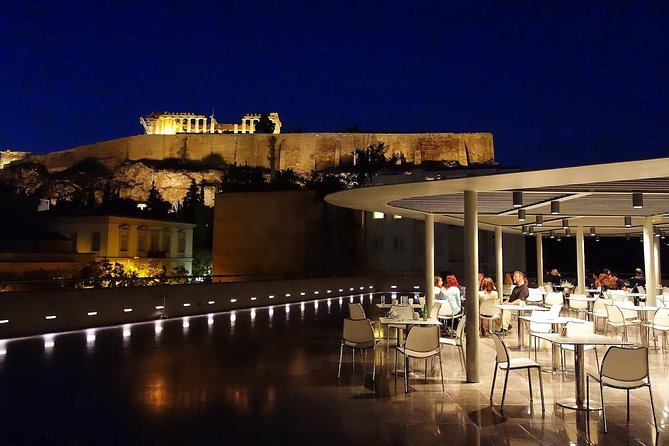
- Evening light changes the experience: The museum feels calmer, and the Parthenon can be seen lit from the upper floor and Acropolis Hill.
- Two major sights in about four hours: Plan on roughly two hours at the museum and two hours around the Acropolis.
- Tickets are included: You do not need to arrange separate admission to the Acropolis Museum.
- A guide adds real value: Lydia, Lisa, and Kostas have been praised for history, humor, clear explanations, and family-friendly pacing.
- An audio device helps: You can hear the guide better in busy rooms and open archaeological spaces.
- Check the meeting instructions carefully: The listed starting information includes the museum and an office five minutes from Acropolis metro station.
Why an evening visit works so well
Athens can be punishing in the afternoon, especially on exposed stone around the Acropolis. A late start gives you a better chance of walking in cooler conditions, though the tour still requires a moderate level of fitness and plenty of walking.
The timing also changes the mood. The Acropolis Museum takes on a quieter feel at night, and the light outside shifts as the tour goes on. From the museum’s upper floor, you can look toward the illuminated Parthenon. Later, from Acropolis Hill, you see the monuments from above the city.
This is not a quick photo stop. You spend about four hours with the two principal sites, and the guide supplies the background that can be hard to piece together on your own. Without context, the Acropolis can become a collection of impressive stones and familiar names. With a guide, the buildings, sculptures, and surviving fragments connect more clearly.
The tour is offered in English and has several late-afternoon starting times. That helps you fit it around a morning visit, a relaxed lunch, or time in another part of Athens. Since the experience is often booked well ahead, about 50 days in advance on average, reserve early if your dates are fixed.
More ways to see the Acropolis:
- Athens: Acropolis & up to 5 Archaeological Sites Combo Pass
★ 4.4 · 12,619 reviews - Athens: Acropolis Ticket with Optional Audio or Live Guide
★ 4.2 · 11,055 reviews - Athens: Acropolis, Parthenon & Acropolis Museum Guided Tour
★ 4.8 · 9,316 reviews
The Acropolis Museum: glass floors and the Parthenon frieze
The first listed stop is the Acropolis Museum, with about two hours inside and admission included. This is a modern museum built to explain the objects found on and around the Acropolis, rather than simply display them without a clear connection to the hill above.
One detail deserves your attention right away: the glass floors near the entrance. They let you look down at excavations beneath the museum, giving you a sense of how large and layered the ancient settlement was. It is an easy feature to miss if you hurry toward the galleries, so look down as you enter.
The building covers three floors. You can use escalators and elevators, but you should still expect plenty of walking and standing. Two hours is enough for a guided visit, yet it is not enough for every label, side display, and object at a slow pace.
The guide helps you decide what matters most. The collection can feel overwhelming after a long day, especially if you have already spent time outdoors in the heat. A clear route through the galleries keeps the visit focused and helps you see how sculpture, architecture, religion, and daily life fit together.
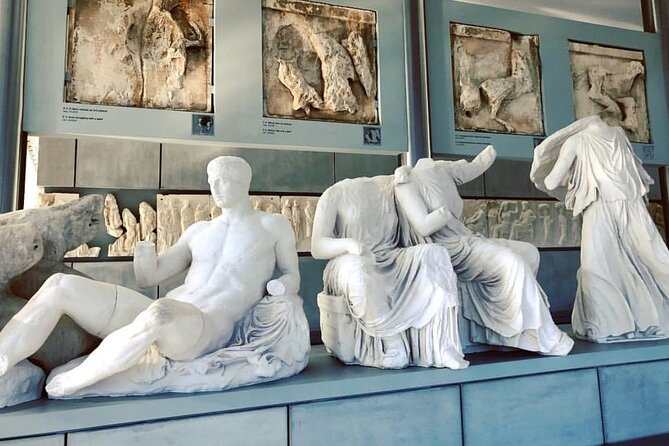
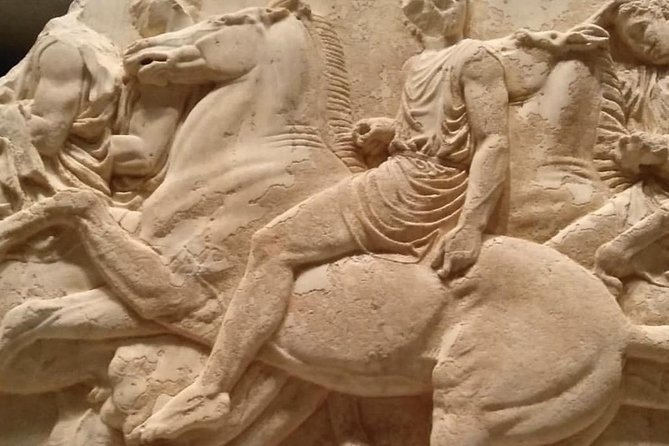
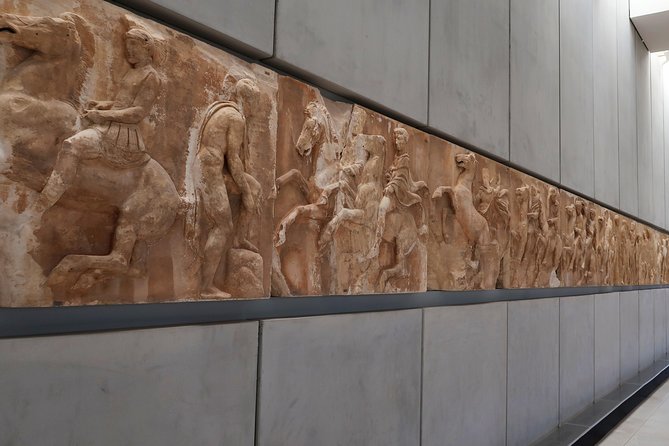
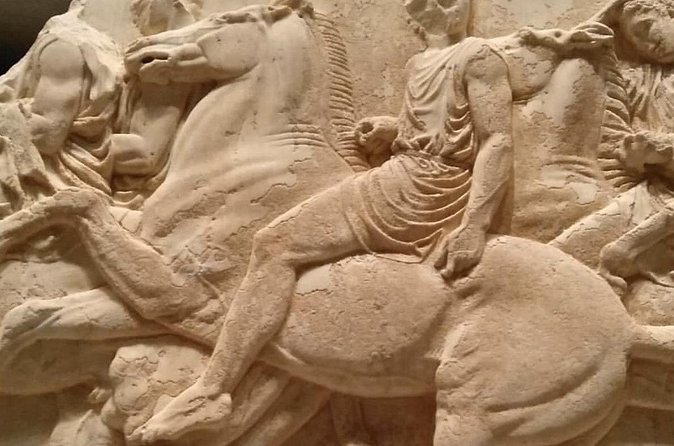
The third floor is a major highlight. Here you can see the Parthenon frieze, including original panels and copies of sections held by the British Museum. You also get a direct view toward the Parthenon itself. At night, the illuminated building outside gives the display a memorable setting without turning the museum into a mere backdrop for photographs.
Guide Lisa has been praised for making this part accessible and personal, especially when the museum halls were nearly empty. That kind of quiet is one of the strongest reasons to choose the evening schedule. You have more room to examine details and hear the guide without competing with a large daytime crowd.
Still, you should set realistic expectations. The museum is large, and two hours can feel fast if you want to read every explanation. The guide may also cover a lot of material. Lydia’s historical knowledge was appreciated, but her presentation sometimes felt dense and moved across several subjects quickly. If you prefer a slow, self-guided museum visit, this format may feel too directed.
Acropolis Hill: monuments after the crowds thin
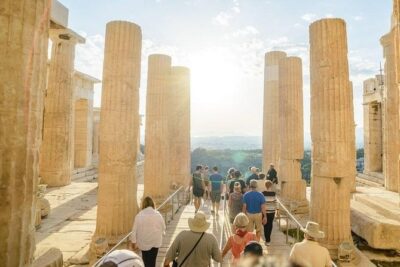
The second listed stop is the Acropolis, also planned for about two hours. You go up the hill to see the monuments and the Parthenon from their own setting, rather than only through museum displays.
The evening setting is the draw. The stone, sky, and city lights create a very different scene from a bright midday visit. You have time for photographs, and the slower pace allows the guide to explain what you are seeing instead of pushing you from one viewpoint to the next.
The hill is exposed, and the surfaces can be uneven. The tour information calls for moderate physical fitness, so comfortable shoes are sensible. You should also carry water, even for an evening visit. The guide may find shade and bathroom opportunities when available, but you should not count on frequent facilities throughout the walk.
The audio device is useful here. Open spaces and groups gathering near famous monuments can make it difficult to hear a normal speaking voice. Being able to follow the guide while standing a little apart from the main cluster makes the visit less frustrating.
The strongest guides balance facts with stories. Kostas, for instance, was praised for combining explanations about the Acropolis and Parthenon with humor that worked well for children. Lydia was noted for taking care of the group as well as teaching it. Those details matter because a four-hour history tour can become tiring if the guide only recites dates and architectural terms.
One possible weakness is that the historical storytelling may vary by guide. One account found the guide highly informed but wished for more stories. The tour promises explanation and interpretation, but you should not expect the same style or depth every time. The named guides show what is possible, not a guarantee of who will lead your departure.
A guide makes the ancient site easier to read
You can visit the Acropolis and museum independently, but the value of this tour rests largely on the guide. The admission tickets are helpful, yet the explanations are what turn the outing into a connected experience.
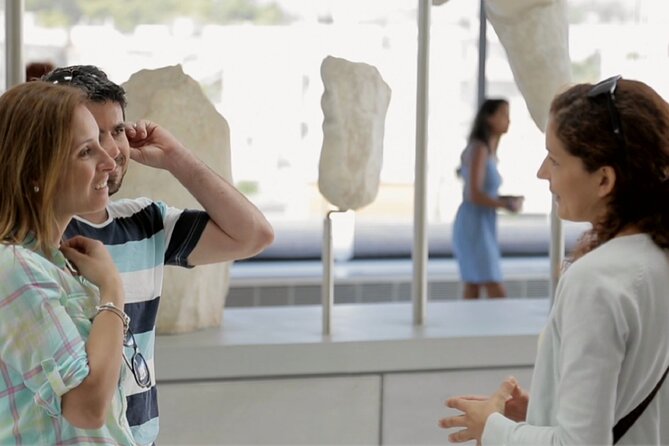
At the museum, the guide can point out why a small sculpture matters, how a piece relates to the Acropolis, or why the arrangement of the galleries follows a particular idea. On the hill, the guide gives the ruins a framework, so you are not left guessing which building served which role.
The best part of a guided visit is the chance to ask questions as you go. A good guide can slow down when your group is puzzled, keep moving when a gallery becomes crowded, and adjust the amount of detail for families or first-time visitors.
The audio equipment deserves special credit. It is a small practical feature, but it solves a common problem at major archaeological sites. You can look at the monument instead of leaning toward the guide or trying to catch every word over nearby groups.
The experience has a 4.5 rating from 11 ratings and is recommended by 91 percent of participants. That is a positive signal, but the sample is small. I would treat it as evidence of a generally strong tour rather than a promise that every guide, group, or evening will feel identical.
More museums and ancient sites in Athens:
- Athens: Acropolis, Parthenon & Acropolis Museum Guided Tour
★ 4.8 · 3,579 reviews - Acropolis monuments & Parthenon Walking Tour with Optional Acropolis Museum
★ 5.0 · 2,678 reviews - Athens: Acropolis Museum Ticket with optional Audio Guide
★ 4.4 · 2,652 reviews - Parthenon & Acropolis Museum with Audio or Live Tour Option
★ 4.1 · 2,446 reviews
Group size, meeting point, and the price
At $132.45 per person, this is not a budget activity. The price makes the most sense if you want both major sights in one organized visit, need an English-speaking guide, and value evening access with admission handled for you.
It is less attractive if you already know the Acropolis well, prefer to read at your own pace, or plan to visit the museum and hill separately. Independent admission and a self-guided visit may cost less, though you would give up the guide’s explanations, audio equipment, and organized timing.
The group limit is listed inconsistently as 20 and 30 people. Either way, it is not a private tour. Ask for the current group size if that matters to you, especially if you are comparing it with a small-group alternative.
The meeting information also needs attention. The tour details name the Acropolis Museum at Dionysiou Areopagitou 15 as the start and end, with the tour ending inside the museum. Additional instructions give Athanasiou Diakou Street 16, the Athens Walks office, as the meeting point, about a five-minute walk from Acropolis metro station.
That discrepancy is easy to manage, but do not ignore it. Check your confirmation carefully and arrive early enough to walk from the metro station if required. You can show either a paper or electronic voucher.
The area is near public transportation, which is useful at the end of an evening tour. Since the stated end is inside the museum, you should also allow a little time to exit and orient yourself before making dinner or transport plans.
Dinner after the tour
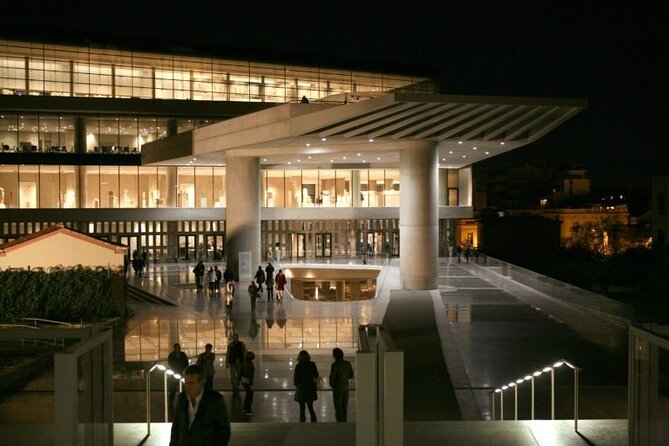
Dinner is not included, but the Acropolis Museum restaurant is available as an optional choice at the end. That makes a convenient pairing if you want to remain near the site rather than cross town after four hours on foot.
Greek dinner hours are late, often around 9 to 11 p.m., so an evening tour fits naturally with local dining habits. Still, do not assume a restaurant reservation or meal is part of the tour. You arrange and pay for dinner separately.
The optional meal can be a nice finish, but it is not a reason by itself to pay the tour price. Choose it for convenience and location, not because the dinner has been bundled into the experience.
Who will get the most from this tour
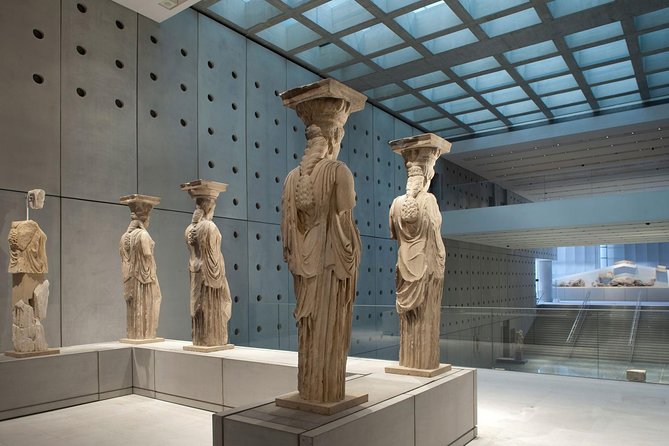
This tour is a strong match for a first visit to Athens. If the names Parthenon, Acropolis, frieze, and Caryatids are familiar but not yet connected, a guide can give you a useful framework in one evening.
Families can also benefit. Kostas was praised for keeping children engaged with humor and clear explanations, while the planned breaks make the pace more manageable. You still need to judge your children’s stamina, since the museum covers three floors and the hill involves walking over uneven ground.
It suits you if you want photographs without giving up explanation. The evening light, illuminated monuments, and quieter museum rooms give you strong visual moments, while the guide adds meaning to what you see.
It may not suit you if you dislike fixed schedules or long guided explanations. The tour covers a lot in four hours, and some guides may present a large amount of information. Independent visitors who want to linger over one object or wander without a group may prefer separate visits.
People with mobility concerns should consider the physical demands carefully. The museum has escalators and elevators, but the tour still includes the Acropolis Hill and calls for moderate fitness. The supplied information does not provide a detailed accessibility plan, so ask the operator before booking if you need specific assistance.
Cancellation and weather details
You can cancel for a full refund up to 24 hours before the local start time. Cancellations or changes made within 24 hours are not refunded or accepted.
The experience requires good weather. If poor conditions cause cancellation, you are offered another date or experience, or a full refund. The operator may also cancel if the minimum number of participants is not reached, with the same general options of another date, another experience, or a refund.
Should you book the evening Acropolis tour?
Book it if you want a well-organized first look at Athens’ two essential Acropolis sights, prefer cooler evening conditions, and value a guide who can explain what you are seeing. The museum’s glass floors, third-floor frieze, and view of the lit Parthenon give the first half real substance, while the hill supplies the unforgettable setting.
Think twice if $132.45 feels high, if you want a private experience, or if you prefer to spend unlimited time with individual objects. Before paying, confirm the meeting address, current group limit, exact start time, and who will lead your departure.
For most first-time visitors with limited time in Athens, I would consider this a worthwhile splurge. Its best qualities are practical rather than flashy: evening timing, included museum admission, an audio device, a manageable route, and guides who can make a complicated site understandable.
FAQ
How long does the Acropolis and Acropolis Museum tour last?
The tour lasts approximately four hours. The stated plan allows about two hours at the Acropolis Museum and two hours at the Acropolis.
Is admission included?
Yes. Admission to the Acropolis Museum is included, and the itinerary also lists admission to the Acropolis as included.
What language is the tour offered in?
The experience is offered in English.
Where does the tour start and end?
The listed start and end location is the Acropolis Museum at Dionysiou Areopagitou 15 in Athens. Additional instructions give Athanasiou Diakou Street 16, the Athens Walks office near Acropolis metro station, as a meeting point. Check your booking confirmation for the correct meeting instruction.
Can I cancel for a full refund?
Yes, if you cancel at least 24 hours before the experience start time. Cancellations made less than 24 hours in advance are not refunded.
Is dinner included?
No. Dinner is not included, though you can choose to dine at the Acropolis Museum restaurant after the tour.
Newly reviewed around Athens
- Athens: workshop for painting landscape with local artist★ 4.6 · 3 reviews
- Athens: Greek Wine & Olive Oil Tasting at Brettos Plaka★ 4.5 · 3 reviews
- Outdoor Yoga and Pilates with Akropolis view★ 4.0 · 5 reviews
- Acropolis of Athens: 60′ Tour in a Vintage Motorcycle★ 5.0 · 4 reviews
- Ultimate Tasting of the Volcanic Wines of Greece★ 5.0 · 3 reviews
- workshop for painting acropolis/landscape with local artist★ 5.0 · 3 reviews
- Athens at Twilight Night Tour with Drinks and Meze Dishes★ 4.8 · 4 reviews
- Breakfast in the markets with olive oil and honey tasting★ 4.8 · 8 reviews
Athens Acropolis Tours, compared.
Acropolis & up to 5 Archaeological Sites Combo Pass
Read our review →
Acropolis, Parthenon & Acropolis Museum Guided Tour
Read our review →
Acropolis, Parthenon & Acropolis Museum Guided Tour
Read our review →

Acropolis monuments & Parthenon Walking Tour with Optional Acropolis Museum
Read our review →Browse the lists this tour appears in