
Reviewed · FOOD & DRINK
Premium Greek Honey Tasting with Yogurt & More
Greek honey is the star here, but the useful part is learning how much its flavor can change by region and style. In 40 minutes, Anton Lianoudakis guides you through six honeys, then shows you how to pair them with yogurt, cheese, and dried fruit instead of treating honey as just a breakfast topping.
I like the compact format and the chance to try several products side by side. I also like the practical food pairings, which give you ideas you can use after you leave. The main consideration is that the session is short, and the exact balance between the honey tasting and the ancient wine tasting may vary.
Key points
- Six Greek honeys: Taste products from different regions and styles, with the activity also described as a four-flavor tasting.
- Anton Lianoudakis leads the session: He explains flavor differences, serving ideas, and the role of honey in Greek food.
- Yogurt, cheese, and dried fruit pairings: The tasting turns into a practical lesson in how to use honey at home.
- Ancient wine tasting included: This adds a distinctive Greek food-and-drink element to the session.
- Only 40 minutes: A handy choice when you want a focused activity rather than a long meal or workshop.
- $23 per person: A fair price for several honey samples, food pairings, instruction, and wine tasting, provided you value the guided explanation.
Six Greek honeys in one short tasting
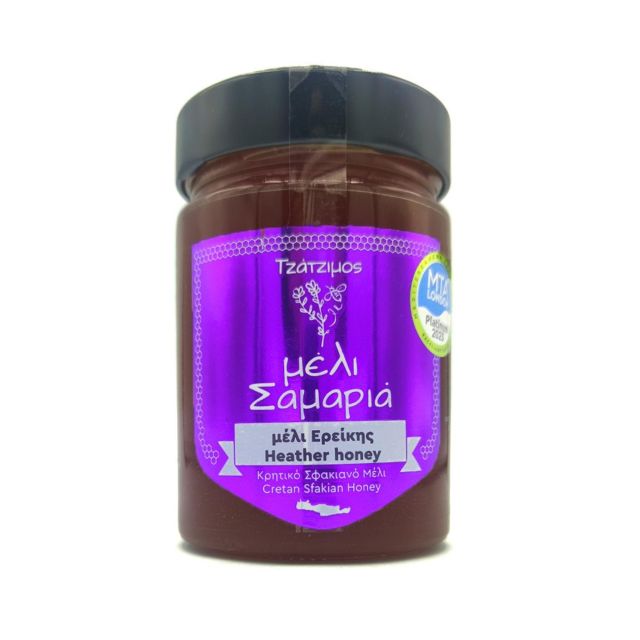
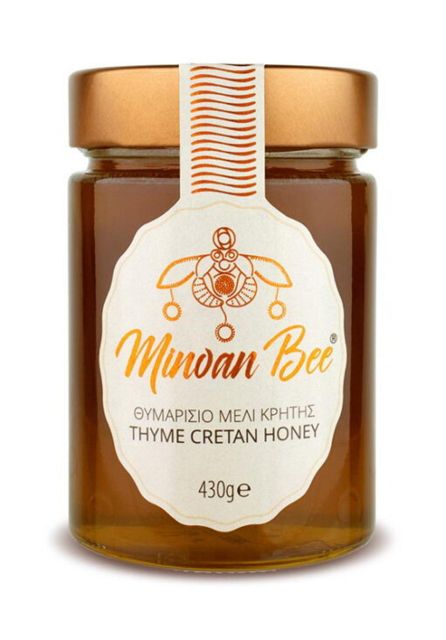
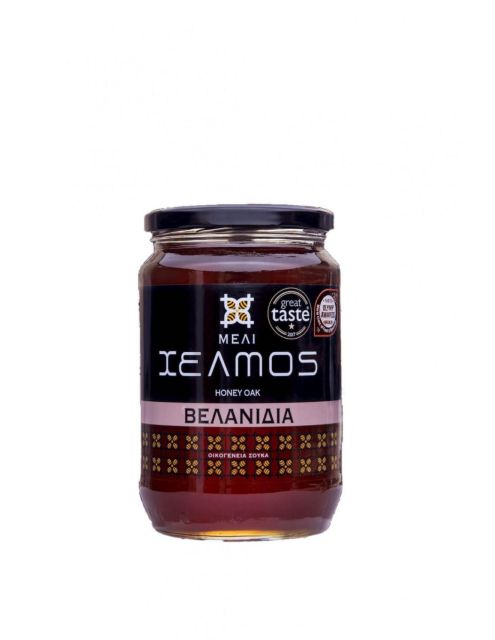
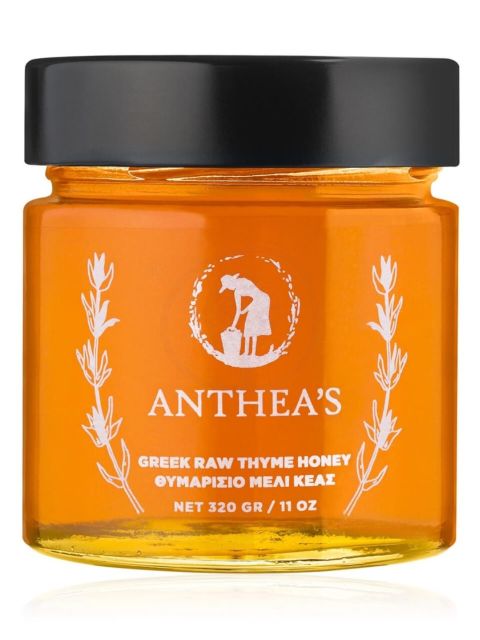
The main appeal is comparison. Instead of sampling one jar and calling it Greek honey, you taste six honeys from different regions and styles. The activity description also refers to four Greek honey flavors, so you should expect a guided selection rather than assume six completely separate courses.
That difference is worth noting when you book. The included materials specify six honeys, while the title and highlights focus on four flavors. The most sensible way to read this is that you may sample six products while the host groups or explains them through four main flavor styles.
The tasting is designed to help you notice small changes in aroma, sweetness, texture, and aftertaste. Those differences can be easy to miss when you try honey one spoonful at a time at home. Side-by-side tasting gives you a clearer sense of why one honey may suit yogurt while another works better with cheese or fruit.
Greek honey also has a strong place in the country’s food traditions. The presentation links Greek beekeeping and honey production with antiquity, and it discusses the long-held belief in honey’s medicinal value. The material also refers to modern studies of herbal honey from the Greek islands and its antibacterial and anti-inflammatory properties.
You should treat that part as background and context, not as a medical consultation. The practical value is learning why plant sources and growing regions can affect the honey in your glass or on your plate.
More food tours in Athens:
- Greek Food Walking Tour in Athens
★ 5.0 · 4,740 reviews - Athens: Street Food Tasting Tour
★ 4.9 · 2,557 reviews - Small Group Greek Traditional Food Tour in Athens 20+ Tastings
★ 5.0 · 1,759 reviews
Anton Lianoudakis makes the tasting personal
The guide named in the activity feedback is Anton Lianoudakis. His role is more than handing out samples. He explains the character of each honey, answers questions, and connects the tasting to Greek cooking.
That personal approach matters in a short session. A table of unlabeled samples would be cheaper, but it would not tell you what to look for or how to use the products. Anton’s explanations give structure to the tasting, especially if this is your first serious comparison of honey styles.
You can expect the session to be conducted in English. The comments about Anton point to clear explanations, a welcoming manner, and a strong interest in the subject. Several specific points come up repeatedly in the available feedback: learning how honey differs in flavor, discovering new food pairings, and leaving with ideas that were not obvious before the tasting.
That is a good sign for anyone who prefers a host-led experience instead of a simple product sampling. You can ask questions, and the session is meant to help you understand the choices rather than simply taste them.
Pairing honey with yogurt, cheese, and dried fruit
The food pairings are where this activity becomes more useful than a standard tasting. You receive samples of yogurt and fruit, with cheese and dried fruit included among the suggested combinations. These foods give the honey a setting, so you can judge how it changes when mixed with creamy, salty, or chewy ingredients.
Yogurt is an obvious Greek pairing, but it also shows how texture affects sweetness. A thick, tart yogurt can make a honey taste more intense or more balanced. If you usually add the same supermarket honey to breakfast, this is a chance to compare styles and decide what you actually prefer.
Cheese brings a different lesson. Its salt and savory flavor can make a floral or herbal honey seem sweeter. Dried fruit adds concentrated sweetness and chewiness, so it may suit a stronger honey or create a dessert-like combination.
The point is not to memorize strict rules. It is to learn a few useful patterns. You may find that a delicate honey works best with plain yogurt, while a bolder one can hold its own beside cheese or dried fruit.
I especially like this part because it gives you something to do with the knowledge. After the tasting, you can recreate the combinations at home without buying special equipment or planning a complicated meal.
Ancient wine adds a distinctly Greek touch
Ancient wine tasting is one of the listed highlights. The available details do not explain the exact wine, how much you taste, or how it is presented, so you should not book this expecting a full wine class.
Still, it adds interest to a honey-focused session. Honey and wine both connect food with ancient Greek life, and the pairing broadens the activity beyond a single ingredient. It may also help you think about sweetness, aroma, and balance in a different drink.
Because the total session lasts only 40 minutes, the wine portion is likely one element of a compact program rather than a separate tasting flight. If ancient Greek food and drink traditions interest you, this extra feature helps justify choosing the activity over a simple honey shop visit.
If honey is your only priority, the wine sample may feel secondary. That is not a flaw, but it is useful to set your expectations correctly.
A different kind of day out from Athens:
- Athens: Acropolis & up to 5 Archaeological Sites Combo Pass
★ 4.4 · 12,619 reviews - Athens: Acropolis Ticket with Optional Audio or Live Guide
★ 4.2 · 11,055 reviews - Athens: Acropolis, Parthenon & Acropolis Museum Guided Tour
★ 4.8 · 9,316 reviews - Athens: Cape Sounion & Poseidon Temple Sunset Half-Day Trip
★ 4.8 · 8,241 reviews
What the 40-minute schedule means for you
Forty minutes is enough time for a focused tasting, but not enough for a long lecture or leisurely meal. That short schedule is helpful if you are fitting the experience between sightseeing plans, lunch, or another activity in Central Greece.
You should arrive ready to pay attention. The value comes from the explanation of the samples and pairings, not from the amount of food. This is a tasting session, not a full breakfast, lunch, or dessert.
The compact timing also makes the activity easy to recommend to people who are curious about local food but do not want to commit half a day. You get a clear subject, several samples, and a guide who can answer questions without the session becoming a major part of your itinerary.
The tradeoff is depth. You will not learn everything about Greek beekeeping, island plants, honey production, and wine in 40 minutes. If you want a long farm visit or a hands-on beekeeping lesson, this experience may feel too brief. If you want a well-focused introduction, the length works in its favor.
Is $23 a fair price?
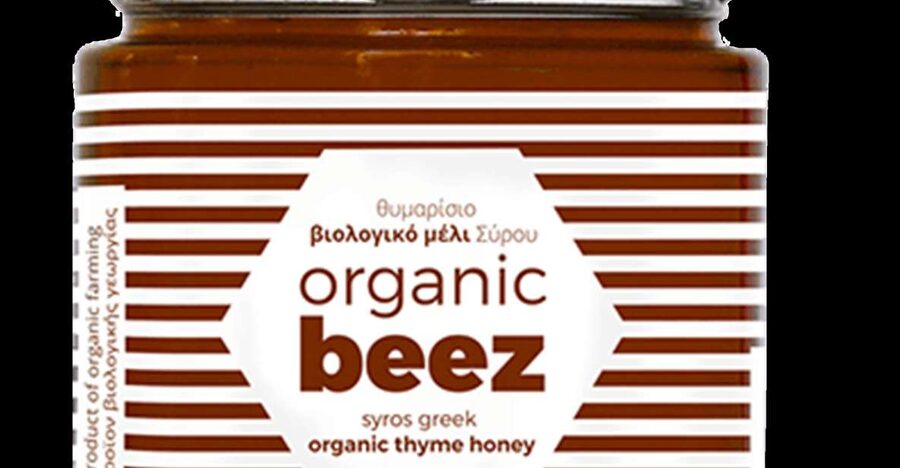
At $23 per person, the price is reasonable for a guided tasting with six honeys, yogurt, fruit, other pairings, and an ancient wine sample. You are paying for both the products and the host’s explanations.
The value is strongest if you enjoy food education. A few spoonfuls of honey alone would not justify the price for everyone, but learning how to compare the samples and serve them with different foods adds practical value.
It is also a relatively low-risk way to explore a local specialty. You do not need to commit to a long meal or expensive food tour. If you find a honey you like, products can be purchased on site, according to the information provided. That gives you a chance to take home something connected to the experience, though the cost of those products is not included in the $23 price.
For budget planning, remember that the listed price covers the tasting activity itself. It does not say that transportation, additional purchases, or a full meal are included.
Who will enjoy this experience most?
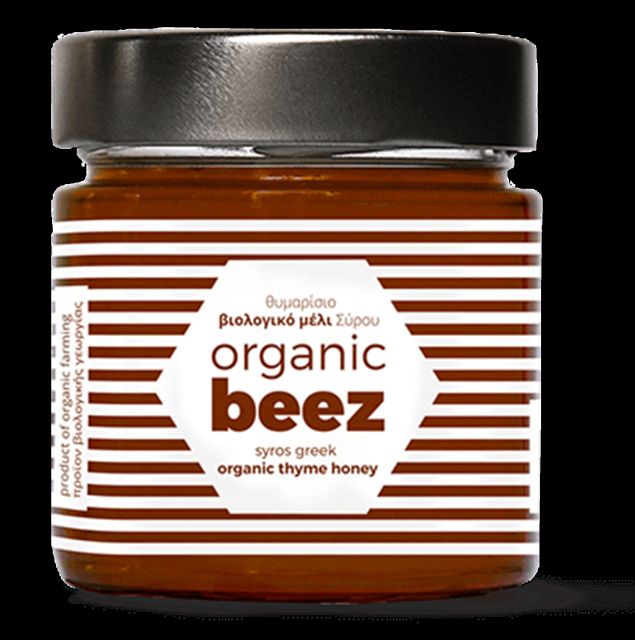
I would recommend this to adults who like Greek food, specialty ingredients, and short guided tastings. It suits people who want more than a photo stop but less than a full cooking class.
It is particularly useful for:
- People who normally buy only one type of honey and want to compare several styles.
- Food lovers interested in yogurt, cheese, fruit, and sweet-savory pairings.
- Visitors looking for an activity that fits into a busy sightseeing day.
- Couples and small groups who enjoy asking questions and tasting together.
- Anyone searching for a practical souvenir or Greek food product to take home.
The activity is not suitable for children under seven or people over 95, according to the stated rules. No group size is provided, so you should not assume a private session or a small class.
The English instruction makes it suitable for English-speaking visitors. If you want detailed information in another language, this may not be the right choice.
The best reasons to book, and the reasons to pause
The strongest reason to book is the host-led explanation. Anton Lianoudakis is described as bringing both subject knowledge and a personal touch, and that matters because honey can seem simple until you compare several kinds.
The second reason is the pairing lesson. You are not just tasting honey straight from a spoon. You are testing it with yogurt, cheese, dried fruit, and other samples, which gives you clear ideas for breakfast boards, snacks, and desserts.
The third reason is the timing. A 40-minute activity can fit neatly into a day in Central Greece, especially if you are tired of standard sightseeing and want a food-focused change of pace.
Pause if you want a full meal, a long winery visit, or a detailed agricultural tour. The experience is a compact tasting masterclass, not a complete day devoted to beekeeping and wine.
There is also a small clarity issue in the description: some parts refer to four honey flavors, while the included items specify six honeys. That should not ruin the session, but you may want to confirm the exact tasting lineup if the number of samples matters to you.
Booking flexibility and practical details
You can cancel up to 24 hours before the activity for a full refund. The reserve-now, pay-later option also gives you some flexibility when your schedule is still changing.
Starting times depend on availability. The experience is listed in Central Greece, and the available details do not provide a precise meeting point, transport plan, or venue description, so check those details carefully before setting out.
The activity is offered in English and includes skip-the-ticket-line access. Since the session lasts only 40 minutes, being on time matters. A late arrival could cut into the tasting and the explanations that give the activity most of its value.
Should you book this Greek honey tasting?
Book it if you want a short, friendly introduction to Greek honey with useful serving ideas. The combination of six honey samples, yogurt, cheese, fruit, dried fruit, and ancient wine gives you more to think about than a basic shop tasting.
I would especially choose it after several days of museums and major sights, when you want something local and hands-on without spending half a day. The $23 price is fair for the number of samples and the guide’s instruction.
Skip it if you want a full meal, a long vineyard visit, or a detailed farm tour. For everyone else, this is a focused food experience with a clear lesson: Greek honey is not one flavor, and the right pairing can change the way you taste it.
FAQ
How long does the Greek honey tasting last?
The activity lasts 40 minutes.
How many honeys are included?
The included items specify six honeys from different regions and styles. The activity title and highlights also refer to four Greek honey flavors, so the exact presentation may group the six samples into four main flavor categories.
What food is served with the honey?
Samples of yogurt and fruit are included. The tasting also features combinations with cheese, dried fruit, and other suggested pairings.
Is ancient wine tasting included?
Ancient wine tasting is listed as one of the activity highlights.
What language is the experience offered in?
The instructor-led experience is offered in English.
Can I cancel for a full refund?
Yes. You can cancel up to 24 hours in advance for a full refund. You can also reserve now and pay later.
Newly reviewed around Athens
- Athens: workshop for painting landscape with local artist★ 4.6 · 3 reviews
- Athens: Greek Wine & Olive Oil Tasting at Brettos Plaka★ 4.5 · 3 reviews
- Outdoor Yoga and Pilates with Akropolis view★ 4.0 · 5 reviews
- Acropolis of Athens: 60′ Tour in a Vintage Motorcycle★ 5.0 · 4 reviews
- Ultimate Tasting of the Volcanic Wines of Greece★ 5.0 · 3 reviews
- workshop for painting acropolis/landscape with local artist★ 5.0 · 3 reviews
- Athens at Twilight Night Tour with Drinks and Meze Dishes★ 4.8 · 4 reviews
- Breakfast in the markets with olive oil and honey tasting★ 4.8 · 8 reviews
Food & Drink, compared.

Small Group Greek Traditional Food Tour in Athens 20+ Tastings
Read our review →
Food Market Visit and Cooking Class with Wine
Read our review →
Athens Authentic Greek Food Walking Tour (Small Group)
Read our review →

Browse the lists this tour appears in